When considering a global sourcing strategy for construction, understanding Steel Structure Bolts is essential. These bolts are crucial for ensuring the integrity and strength of steel structures. Mishaps can occur when the wrong type is used. Thus, selecting the right specifications and suppliers is paramount.
The market for Steel Structure Bolts is vast and diverse, with options from numerous manufacturers. This guide aims to provide insights on factors to evaluate when sourcing these bolts. Quality is key, but so are certifications and compliance with industry standards.
Buyers must be aware of the potential pitfalls. A lack of knowledge can lead to choosing inferior products. It's important to reflect on experiences with past purchases. Engaging with reliable suppliers who prioritize quality will result in more successful projects. Making informed decisions about Steel Structure Bolts ultimately leads to stronger, safer constructions.
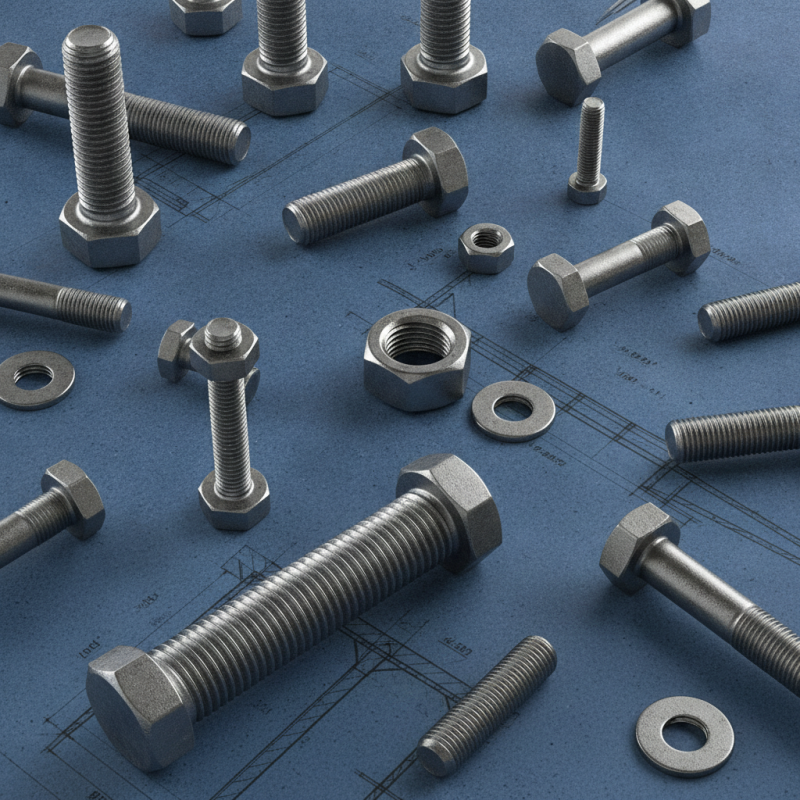
When sourcing steel structure bolts for construction projects, key characteristics must be prioritized. First, tensile strength is crucial. Bolts typically feature tensile strengths ranging from 500 to 1,300 MPa, depending on the materials used. This strength ensures structural stability and the ability to withstand heavy loads.
Another important factor is corrosion resistance. In environments exposed to harsh conditions, such as marine areas or industrial settings, choosing bolts with protective coatings is vital. Galvanized or weather-resistant bolts are preferred. According to industry reports, corrosion-related failures can lead to significant costs, averaging over $1 billion annually in maintenance for construction projects.
Moreover, compliance with relevant standards is essential. The American Society for Testing and Materials (ASTM) provides guidelines that ensure bolts meet safety and performance criteria. Utilizing bolts that meet these standards promotes not only safety but also trust among stakeholders. However, some buyers may overlook specifications, leading to subpar choices. Regular audits and quality checks can reduce these errors, enhancing the overall reliability of construction outcomes.
The global steel structure bolts market is witnessing significant shifts driven by various factors. In 2023, the demand for these essential fasteners surged, fueled by the booming construction sector. According to a recent industry report, global steel bolt consumption reached approximately 5 million tons, reflecting a year-on-year increase of 8%. The rise in infrastructure projects, particularly in developing nations, is a critical driver.
Supply chains, however, face challenges in keeping up with this demand. Raw material prices have fluctuated, impacting production costs. Reports indicate that steel prices have increased by 15% over the last year, creating pressure on manufacturers. Many companies are struggling to source reliable materials, which leads to longer lead times. Additionally, environmental regulations are shaping production processes. Industry experts caution that sustainability will become paramount, influencing sourcing decisions.
Monitoring these trends is vital for firms involved in sourcing steel structure bolts. Adapting to market dynamics can ensure competitiveness. The complexities of international trade and logistics further complicate the situation. Companies must prioritize reliable suppliers and remain agile. A thorough understanding of local markets can promote smarter sourcing strategies. As 2026 approaches, staying informed will be essential for navigating the evolving landscape of steel structure bolts.
| Region | Demand (Metric Tons) | Supply (Metric Tons) | Market Growth Rate (%) | Key Applications |
|---|---|---|---|---|
| North America | 250,000 | 230,000 | 4.5 | Construction, Automotive |
| Europe | 300,000 | 290,000 | 3.8 | Infrastructure, Heavy Machinery |
| Asia-Pacific | 500,000 | 480,000 | 5.1 | Construction, Shipbuilding |
| Latin America | 150,000 | 140,000 | 2.6 | Construction, Energy |
| Middle East & Africa | 100,000 | 95,000 | 3.0 | Construction, Oil & Gas |
In the competitive market of steel structure bolts, choosing the right manufacturer is crucial. Numerous companies produce these essential components, but not all guarantee quality and durability. A reliable manufacturer should prioritize high-grade materials and adhere to strict quality standards. Look for manufacturers with certification and a robust track record in the industry.
When comparing manufacturers, consider their production capabilities. Some may specialize in specific types of bolts, while others offer a wide range of products. Evaluate their ability to fulfill large orders and handle custom specifications. Communication plays a vital role here. A responsive team indicates a commitment to customer satisfaction.
Tips: Always request samples before making bulk purchases. Test them for strength and corrosion resistance. Additionally, read customer reviews and seek recommendations from peers in the industry. This can reveal potential concerns and highlight reputable companies. Reflect on your specific requirements to ensure you partner with the right manufacturer for your projects.
When sourcing steel structure bolts, understanding essential standards and certifications is crucial. These guidelines ensure quality and reliability in construction projects. Common standards to consider include ASTM, ISO, and EN certifications. Each standard has specific requirements that bolts must meet to ensure strength and durability.
For instance, ASTM A325 is a widely used standard that specifies structural bolt requirements. Compliance with this standard means the bolt can withstand significant loads. ISO 898-1 focuses on mechanical properties, verifying that a bolt can perform under various conditions. Always ask suppliers for documentation proving their products meet these standards.
Certification marks on packaging or labels indicate compliance. However, not all manufacturers maintain transparency. Some may not include proper certifications, leading to quality concerns. Always verify the authenticity of certifications with the issuing organizations. Being diligent about these details can prevent costly failures in your projects.
Sourcing steel structure bolts effectively in 2026 requires a strategic approach. Industry reports indicate a projected growth of 4% in the steel fasteners market. Understanding the key factors can lead to cost savings and improved project efficiency.
Evaluate your suppliers carefully. Look for manufacturers who assess their supply chains. They should demonstrate adherence to international quality standards. Ensuring reliable delivery is crucial for projects. Statistics reveal that delays can increase costs by up to 30%.
Tip: Consider region-specific suppliers that minimize shipping costs. This can significantly reduce your overall expenditure. Engage with suppliers who can offer transparent pricing models, which can streamline your budgeting process.
Market analysis shows that innovative materials are emerging. These materials enhance durability while reducing weight. They may even lower the need for frequent replacements. It’s vital to stay updated on these trends to remain competitive.
Tip: Leverage technology to monitor supplier performance. Regular assessments help mitigate potential risks. Building relationships with dependable suppliers fosters a stable sourcing network. This can ultimately lead to cost-effective solutions in the long run.
: Tensile strength usually ranges from 500 to 1,300 MPa. This range ensures structural stability.
Corrosion resistance is critical in harsh environments. It prevents costly maintenance issues.
Look for bolts that meet industry standards. Regular audits and quality checks help maintain compliance.
The booming construction sector significantly boosts demand. Infrastructure projects in developing countries lead this trend.
Fluctuating raw material prices create production cost pressures. Many companies struggle with sourcing reliable materials.
Steel prices have increased by 15% over the last year. This affects overall production costs for manufacturers.
Sustainability is becoming a key factor in sourcing decisions. Environmental regulations influence production processes.
It's essential for competitiveness. Understanding local markets can enhance sourcing strategies.
Subpar bolt choices can lead to structural issues. Regular quality checks can help avoid these problems.
Companies need reliable suppliers and must stay agile. Adapting to market dynamics is crucial for success.
The "2026 Top Steel Structure Bolts Buyers Guide for Global Sourcing" provides a comprehensive overview of crucial considerations for sourcing steel structure bolts in construction projects. It highlights the key characteristics of these bolts, which include their strength, corrosion resistance, and compliance with safety standards. The article delves into global market trends, analyzing the dynamics of demand and supply that shape the industry, as well as conducting a comparative review of leading manufacturers to identify best options for buyers.
Further, it outlines essential standards and certifications that ensure the quality and reliability of steel structure bolts, emphasizing the importance of adhering to industry regulations. Finally, the guide offers strategic insights for sourcing cost-effective steel structure bolts in 2026, enabling buyers to make informed decisions that align with both budgetary constraints and project requirements. This guide serves as an invaluable resource for those seeking to navigate the complex landscape of steel structure bolts procurement effectively.

San Biao