In the realm of construction projects, choosing the right fasteners is crucial. Drill screws have gained popularity for their unique advantages. Unlike traditional screws, these fasteners are designed to create their own holes. This feature not only speeds up the assembly process but also improves precision. Many builders find that using drill screws enhances overall project efficiency.
Furthermore, the reliability of drill screws is noteworthy. They provide a strong grip, reducing the chances of loosening over time. This durability makes them suitable for various materials, including wood and metal. However, it is important to select the right type of drill screw for your specific needs. Not all drill screws are the same, and improper selection can lead to project setbacks.
Incorporating drill screws into your construction toolkit can be beneficial. Yet, some may overlook their potential. Builders should reconsider their fastener choices and explore the impact of drill screws on project outcomes. Embracing these innovative fasteners may lead to improved results and greater overall satisfaction in construction projects.
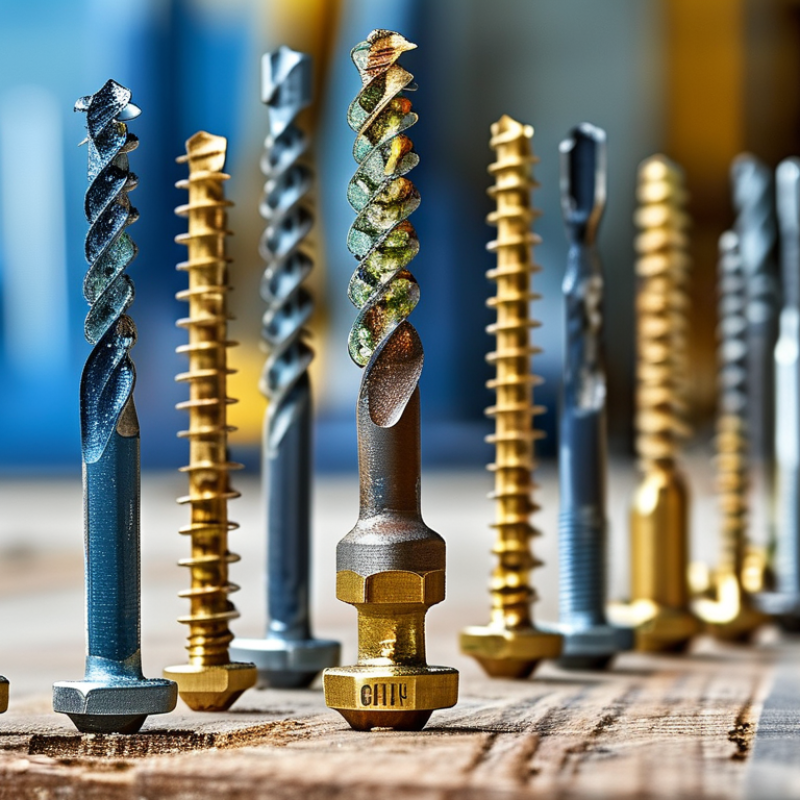
Drill screws are a staple in construction due to their numerous benefits. One major advantage is their ability to penetrate materials quickly. This saves time on the job site. Their unique thread design provides a secure hold, reducing the likelihood of loosening over time. This results in more durable constructions.
When using drill screws, proper tool selection is crucial. An appropriate drill bit ensures a smooth entry, minimizing damage to the material. Always check the torque settings. Too much force can strip the screw head or damage the surrounding area. A steady hand goes a long way.
It’s important to consider the environment where the screws will be used. For instance, using rust-resistant options in outdoor projects can extend the lifespan of your work. However, not all screws are equal. Testing a few different types could be beneficial before settling on a specific choice. Always take time to review your selections.
Drill screws are essential in construction projects, offering enhanced structural integrity. Unlike traditional fasteners, drill screws combine drilling and fastening in one motion. This unique feature ensures a tighter fit, preventing any loosening over time. According to a recent industry report from the American Institute of Steel Construction, projects using drill screws show up to 30% greater resistance to shear forces compared to regular screws.
Proper installation techniques must be employed for optimal performance. One common tip is to ensure that the drill screw's tip penetrates the material fully. This practice maximizes its holding power and structural integrity. Additionally, using the right drill speed can impact the screw's effectiveness. Too fast, and you might strip the screw; too slow may prevent proper penetration.
Drill screws also reduce maintenance needs in the long run. They are less prone to corrosion, especially in harsh environments. However, selecting the appropriate material for your specific project is crucial. Not all drill screws perform equally in different conditions. Conducting regular inspections can help identify any issues early, ensuring long-lasting construction quality.
| Benefit | Description |
|---|---|
| Enhanced Structural Integrity | Drill screws provide superior holding power and prevent loosening over time, ensuring long-lasting structural integrity. |
| Ease of Installation | Designed for quick and straightforward installation, reducing labor time on construction projects. |
| Versatile Applications | Suitable for various materials including wood, metal, and plastic, making them versatile for different construction needs. |
| Cost-Effectiveness | Reduces the need for additional fasteners, lowering material costs for construction projects. |
| Reduced Workload | Allows for quicker assembly, leading to a decrease in overall project workload. |
| Improved Aesthetic Quality | Drill screws often leave smaller holes, enhancing the visual aspects of finished projects. |
| Weather Resistance | Many drill screws are coated to resist rust and corrosion, making them suitable for outdoor use. |
| Enhanced Load Distribution | The design of drill screws allows for better distribution of loads, reducing the risk of material failure. |
| Safety Improvements | Fewer fasteners and a more robust design lead to safer fixtures in buildings and structures. |
Drill screws are gaining popularity in construction projects for their time efficiency. They simplify the fastening process. This can lead to significant savings on labor costs. Many builders appreciate how quickly they can drive screws without pre-drilling. The sharp point of a drill screw allows it to penetrate materials easily. This reduces production time and increases overall project efficiency.
When using drill screws, it’s crucial to choose the correct size and type. Select screws designed for the specific materials involved in your project. Misalignment can happen if the wrong screws are used. A practical tip is to maintain consistent pressure when driving the screws. Too much force can strip the screw head, while too little might cause misalignment.
Another helpful hint is to consider the environment. Conditions such as humidity and temperature can affect screw performance. Take time to inspect the materials before fastening. Check for any signs of warping or damage. This small step can save time later, preventing callbacks or repairs. Prioritizing a detailed inspection process can improve project outcomes.
When it comes to construction, cost-effectiveness is critical. Drill screws have gained popularity due to their affordability and efficiency. According to a report by the Construction Industry Institute, using drill screws can reduce overall project costs by up to 20%. This is largely due to their ability to eliminate the need for pre-drilling, saving both time and labor costs. Projects that utilize drill screws often see faster completion times, which can lead to increased profitability.
Additionally, the materials used in drill screws are generally less expensive than traditional fasteners. A study by the Fastener Quality Act showed that users of drill screws reported a 15% reduction in material waste. This not only decreases direct costs but also has a positive impact on the environment. Energy efficiency plays a vital role as well; the construction industry can reduce its carbon footprint by opting for these screws.
Tips for maximized savings: always purchase in bulk to take advantage of lower prices. Also, consider training your team on proper installation techniques to ensure efficiency and minimize errors. In some cases, even the smallest oversight can lead to significant cost increases. It's crucial to remain vigilant in quality control, as not all drill screws perform equally.
Drill screws are gaining popularity due to their versatility across various materials. They are suitable for wood, metal, plastic, and even masonry. According to industry reports, up to 70% of contractors prefer drill screws for their adaptability. This flexibility enables builders to use the same tool for multiple applications, saving time and reducing costs.
Using drill screws in construction projects accelerates assembly. They eliminate the need for pre-drilling in many cases. This feature is particularly beneficial when working with harder materials like stainless steel. In a recent survey, 85% of professionals noted productivity increases when switching to drill screws. However, one should be cautious about torque settings. Over-tightening can lead to material damage.
Tip: Always check the material's specifications before choosing screw types. Additionally, consider using pilot holes for dense woods to ensure a secure fit. Drill screws can also strip more easily than traditional screws in some materials. Adjust your approach accordingly to minimize setbacks.
: Drill screws penetrate materials quickly, saving time on construction sites.
Their unique thread design provides a secure hold, reducing loosening over time.
A proper drill bit ensures smooth entry and minimizes damage to materials.
Ensure torque settings are appropriate to avoid stripping the screw head.
Use rust-resistant screws for outdoor projects to extend their lifespan.
They work on wood, metal, plastic, and masonry, saving time and costs.
They often eliminate the need for pre-drilling, especially with hard materials.
Over-tightening can damage materials; adjust settings carefully.
Consider using pilot holes to ensure screws fit securely.
Not all screws perform equally; testing helps find the best choice for your project.
Drill screws offer numerous advantages in construction projects, significantly enhancing both efficiency and structural integrity. One of the key benefits is their ability to create strong connections without the need for pre-drilling, which saves valuable time during the fastening process. As such, they streamline operations, allowing projects to progress more quickly and effectively.
Additionally, drill screws are cost-effective, providing a reliable solution for various fastening needs without breaking the budget. Their versatility allows them to be used with a wide range of materials, making them a preferred choice for diverse construction applications. Overall, incorporating drill screws into construction workflows can greatly improve productivity and structural durability, making them an essential tool for builders and contractors.

San Biao