High Strength Nuts play a crucial role in various industries, from construction to manufacturing. These fasteners provide durability and reliability. Sourcing the right high strength nuts can be complex. Factors such as material, grade, and production standards matter.
Quality is key when selecting high strength nuts. Buyers must ensure that the products meet international standards. This guarantees safety and performance. In many cases, finding suppliers requires careful consideration. Not every supplier offers the same level of quality or service.
Not all high strength nuts are created equal. Variations exist in design and composition. Understanding these differences is essential for making informed decisions. Considerations include tensile strength and corrosion resistance. Although the market offers many options, a thoughtful approach is necessary. Aim for a balance between cost and quality. Careful evaluation can lead to discovering the best high strength nuts for your needs.
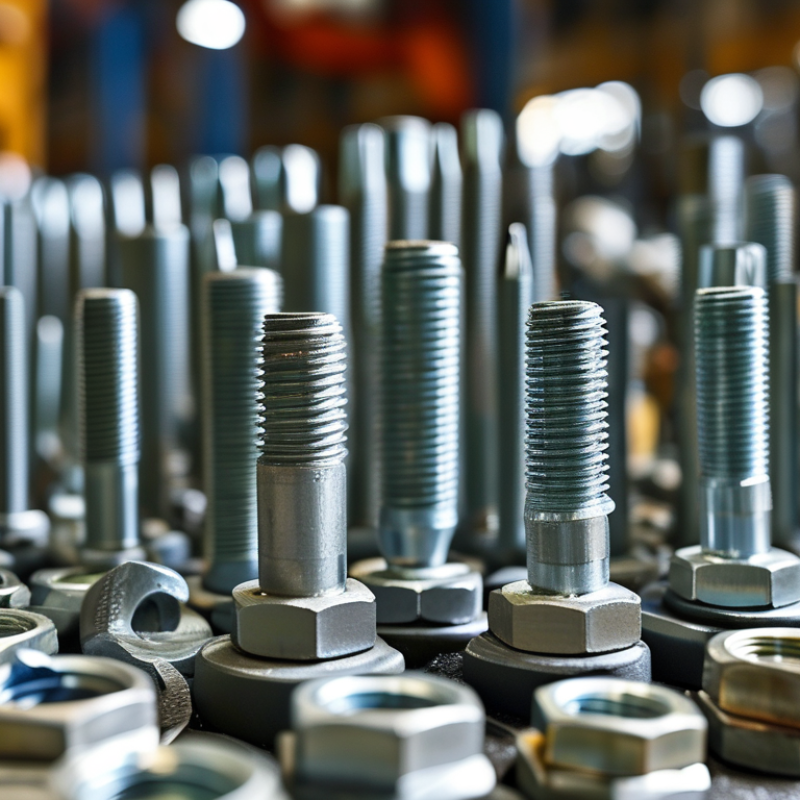
High strength nuts are essential in various industries. They provide the secure fastening needed in applications from construction to automotive. According to a recent industry report, the growth of the high strength fastener market is expected to reach USD 10 billion by 2027, driven by increasing demand across multiple sectors.
One common type of high strength nut is the hex nut. These nuts are widely used in machinery and structural connections. Their robust design allows them to withstand high levels of stress. Similarly, flange nuts are utilized in applications where vibration is a concern. They offer an extra layer of security by preventing loosening. In the aerospace industry, lock nuts ensure components remain tightly fastened, even under extreme conditions.
However, the selection process for high strength nuts can be complex. Factors like material, coating, and size must be considered. Mismatched or substandard materials may lead to failure. As applications evolve, there is a need for continuous innovation. Research into new materials, like titanium alloys, shows promise. These materials can enhance performance but may also present challenges in terms of cost and availability.
When it comes to high-strength nuts, the materials used play a critical role in their performance. Commonly, stainless steel is favored for its resistance to corrosion and durability. This metal ensures that nuts can withstand extreme environments, extending their lifespan. In many cases, alloy steels are also utilized. They are engineered to provide enhanced strength, making them ideal for heavy-duty applications.
Titanium is another valuable material in high-strength nuts. It is lighter than steel but incredibly strong, providing excellent performance without adding excess weight. However, titanium nuts can be more expensive and may require specialized manufacturing processes.
Moreover, the choice of coating can affect the longevity and performance of high-strength nuts. Zinc, for instance, offers a protective layer against rust and wear. Yet, improper application of coatings can lead to flaking or reduced effectiveness. Each material and coating presents its unique challenges and benefits. When selecting high-strength nuts, understanding these nuances is essential. It’s an evolving field, and continual learning is necessary for optimal choices.
This chart illustrates the average tensile strength of various high strength nut materials used in manufacturing. These materials are crucial for ensuring durability and reliability in industrial applications.
When sourcing high strength nuts, global standards and certifications play a significant role. Adhering to these standards ensures quality and safety. Buyers often look for certifications such as ISO 9001, which emphasizes consistent quality management. Additionally, certifications like ASTM and DIN signify that the products meet international specifications.
The importance of understanding these standards cannot be overstated. Without proper knowledge, buyers risk selecting subpar products that may fail under pressure. Numerous manufacturers claim high strength, but they may not meet certification requirements. This discrepancy raises concerns about reliability and performance.
Another challenge is navigating the certification landscape. Various regions have different standards. A nut certified in one country may not necessarily meet the requirements in another. Buyers must be diligent in researching. It's crucial to verify the credibility of the certifications and the manufacturers themselves. Connecting with experts in the field can provide valuable insights.
When sourcing high strength nuts internationally, several key factors must be taken into account. Quality assurance is paramount. According to the International Organization for Standardization (ISO), over 50% of manufacturers report quality control issues as a significant concern. Ensuring that suppliers adhere to ISO standards can mitigate risks. Up to 70% of failures in construction and machinery applications arise from subpar fastening materials.
Understanding material specifications is also critical. High strength nuts are often made from alloy steel or stainless steel, providing enhanced durability. Market analysis from the Global Fasteners Market Report shows a projected growth rate of 5.5% over the next five years. Buyers may consider factors like corrosion resistance and temperature tolerance, which are essential in harsh environments.
Additionally, logistics play a crucial role in the sourcing process. Delays can occur due to customs regulations. For instance, approximately 30% of shipments experience unexpected holdups. Evaluating potential suppliers on their reliability in meeting shipping timelines can save considerable costs and headaches. Companies must also reflect on ethical sourcing practices, considering environmental impact and fair labor conditions.
| Material Type | Tensile Strength (MPa) | Corrosion Resistance | Heat Resistance | Common Applications |
|---|---|---|---|---|
| Carbon Steel | 400-850 | Moderate | Up to 300°C | Construction, Automotive |
| Stainless Steel | 520-800 | High | Up to 600°C | Food Industry, Chemical Processing |
| Alloy Steel | 600-1100 | Moderate | Up to 500°C | Aerospace, Machinery |
| Titanium | 900-1300 | Excellent | Up to 600°C | Marine, Aerospace |
| Copper | 210-400 | Low | Up to 200°C | Electrical, Plumbing |
In the construction and manufacturing sectors, high strength nuts play a pivotal role. They provide essential support in various applications, from industrial machinery to aerospace engineering. The global high strength nuts market is expected to grow significantly, with projections estimating a compound annual growth rate (CAGR) of 5.2% from 2023 to 2030. This growth indicates rising demand across different industries.
Top manufacturers and suppliers worldwide are critical to this market's expansion. Many are focusing on advanced materials and innovative production techniques. For instance, reports show that the demand for stainless steel nuts is increasing, driven by their corrosion resistance and durability. Meanwhile, organizations are exploring ways to improve supply chain efficiency, even amid rising raw material costs.
However, potential challenges remain. Manufacturers must address quality control issues to maintain high standards. Price fluctuations and material shortages pose risks to timely production. Sustainability is also a pressing concern. Companies are looking for ways to minimize environmental impact while meeting industry standards. Buyers should be aware of these factors when selecting suppliers to ensure reliable partnerships.
: High strength nuts are crucial for secure fastening in various industries, including construction and automotive.
The hex nut is widely used in machinery and structural connections due to its strong design.
Flange nuts help prevent loosening in applications where vibrations are a concern, providing added security.
Lock nuts ensure components remain tightly fastened even under extreme conditions in the aerospace industry.
Factors include material, coating, and size. Mismatched materials can lead to failure.
Over 50% of manufacturers experience quality control issues. Adhering to ISO standards can mitigate these risks.
Delays can arise from customs regulations. About 30% of shipments face unexpected holdups.
Material types like alloy steel or stainless steel enhance durability. Corrosion resistance is also crucial.
New materials like titanium alloys may improve performance but can be costly and harder to find.
Companies should consider environmental impact and fair labor conditions when sourcing high strength nuts.
This article delves into the various types of High Strength Nuts suitable for diverse applications across industries. It highlights essential materials utilized in their manufacturing, ensuring durability and performance. The article further discusses global standards and certifications that guarantee the quality and reliability of High Strength Nuts, which is crucial for buyers seeking to maintain safety and compliance.
When sourcing High Strength Nuts internationally, several factors come into play, such as material specifications, supplier reliability, and adherence to industry regulations. The article also provides insights into top manufacturers and suppliers globally, helping buyers make informed decisions. Overall, it serves as a comprehensive guide for those looking to understand the market for High Strength Nuts while emphasizing the importance of quality and standards in sourcing these critical components.

San Biao