10 Best Spiral Wound Gaskets for Your Industrial Needs?

Time:2026-05-31 Author:Sienna
0%

In the industrial sector, efficiency and reliability are paramount, especially when considering sealing solutions like Spiral Wound Gaskets. According to a recent report by the Fluid Sealing Association, the global market for these gaskets is projected to reach $1.2 billion by 2025. This growth is driven by their exceptional performance in critical applications. Renowned expert, Dr. Henry Lawson, emphasizes the importance of quality in this realm, stating, "Selecting the right Spiral Wound Gasket can significantly reduce maintenance costs."

Spiral Wound Gaskets are engineered for high-pressure environments. They combine metal and filler materials, allowing them to withstand extreme conditions. This adaptability is vital across industries such as oil and gas, chemical processing, and power generation. However, not all products are created equal. Some lower-quality options may fail under pressure, leading to expensive leaks and downtime.

While many manufacturers produce Spiral Wound Gaskets, standards vary immensely. Manufacturers should adhere to ASTM or ASME specifications to ensure reliability. Choosing the appropriate gasket requires careful consideration of application specifics. Understanding these nuances is crucial for selecting the best option for your industrial needs. Making an informed decision can help avoid costly mistakes.
10 Best Spiral Wound Gaskets for Your Industrial Needs?

Overview of Spiral Wound Gaskets and Their Applications

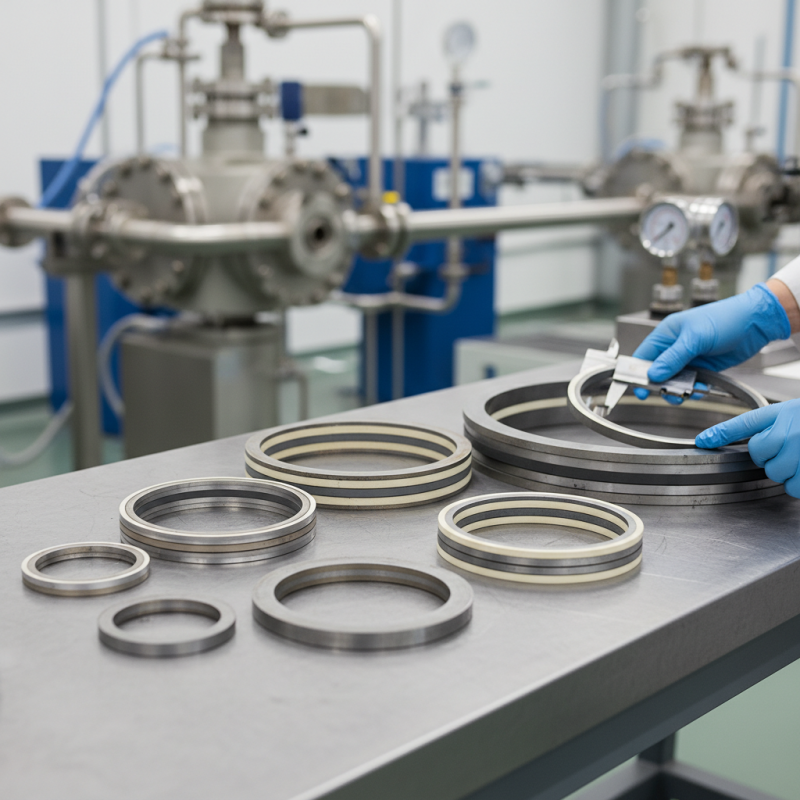
Spiral wound gaskets are essential in various industrial applications. They offer flexibility, strength, and reliable sealing under extreme conditions. Typically made from alternating layers of metal and soft material, these gaskets adapt well to high pressures and temperatures. A study from the American Society of Mechanical Engineers highlights that spiral wound gaskets can withstand a temperature range from -196°C to 800°C. This ability makes them suitable for use in oil and gas, chemical processing, and power generation.

Their design allows for uniform stress distribution. This prevents leakage and prolongs service life. According to a recent survey by the Fluid Sealing Association, improper gasket selection can lead to a 30% increase in maintenance costs. Each application demands unique considerations, including pressure ratings and chemical compatibility. Careful analysis is necessary to avoid performance failures. Choosing the right gasket type, such as the right filler material, is crucial.

Rotating equipment encounters vibrations and mechanical stress. Spiral wound gaskets maintain integrity despite these challenges. However, users often overlook the importance of regular inspections. Failure to do so may result in significant downtime and financial losses. Continuous education about the evolving materials used in gaskets is vital. This knowledge fosters better decision-making and optimizes system performance.

Distribution of Spiral Wound Gasket Applications

Key Factors to Consider When Choosing Spiral Wound Gaskets

When selecting spiral wound gaskets, several key factors play a critical role. Material compatibility is essential. Ensure the gasket material withstands the chemicals and temperatures present in your application. Stainless steel and graphite are common materials known for their durability.

Another important consideration is the gasket size and thickness. Proper sizing is crucial for achieving a reliable seal. An improperly sized gasket can lead to leaks and operational inefficiencies. Assess the flange dimensions accurately to avoid costly errors.

Installation practices should not be overlooked. Even the best gaskets can fail if not installed correctly. Follow best practices, and consider consulting with professionals when needed. Regular maintenance and inspection of gaskets can help identify potential issues before they become significant problems. Enhanced vigilance can lead to improved reliability and performance in industrial settings.

Top 10 Spiral Wound Gaskets for Industrial Use

Spiral wound gaskets are essential for several industrial applications. Their unique design enables them to handle high pressures and temperatures. According to a report from the International Organization for Standardization (ISO), about 30% of industrial leaks are attributed to gasket failures. This makes the choice of a reliable gasket crucial.

High-quality spiral wound gaskets consist of alternating layers of metal and filler material. This allows them to accommodate flange irregularities. By ensuring a tight seal, they prevent leakage and improve safety. Data from the American National Standards Institute (ANSI) indicates that improper sealing could lead to significant operational costs. Losses may reach thousands of dollars per year due to production downtime and environmental damage.

However, not all spiral wound gaskets are the same. Factors such as material compatibility and thickness impact performance. Each industrial environment has specific requirements. Industries must carefully evaluate their needs to avoid costly mistakes. Feedback from technicians reveals that 15% of gasket failures stem from selecting the wrong type for particular applications. This highlights the need for thorough research and expertise in gasket selection.

Comparative Analysis of Spiral Wound Gasket Materials

Spiral wound gaskets are critical components in various industrial applications. Their materials significantly impact performance and reliability. Typically, these gaskets consist of metal and filler materials, combining strength and flexibility. A recent industry report highlights that gasket failure can lead to substantial downtime and repair costs, emphasizing the importance of choosing the right materials.

Common filler materials include PTFE, graphite, and non-asbestos materials. PTFE offers excellent chemical resistance, making it suitable for harsh environments. Graphite, on the other hand, can withstand high temperatures and pressures. Non-asbestos options are becoming popular due to strict environmental regulations. According to industry data, over 60% of gasket failures arise from material selection issues. This statistic urges engineers to consider all material properties before making a decision.

Testing results show that a gasket's performance varies based on its environmental conditions. For example, in high-temperature applications, the choice of filler can impact sealing effectiveness significantly. The variability in performance highlights the necessity for detailed analysis, as opting for a generic solution may compromise efficiency. Regular assessments of gasket materials should be part of an overall maintenance strategy. Addressing these considerations can lead to improved operational reliability and reduced costs in the long term.

Maintenance and Installation Tips for Spiral Wound Gaskets

Proper maintenance of spiral wound gaskets is crucial for ensuring their longevity and efficiency in industrial applications. Regular inspections can help identify any wear or degradation. Look out for signs like leaks or abnormal vibrations. These small issues can quickly escalate if not addressed in time. Maintaining a consistent check can save both time and costs in the long run.

Installation is another area where attention to detail is vital. Ensure the surface is clean before placing the gasket. Any debris can impede the gasket’s effectiveness. Align the gasket properly to avoid uneven stress. It may be necessary to adjust the bolt tension during operation. This step often gets overlooked. A slight adjustment can prevent failure. Users should be aware that even minor misalignments can lead to significant problems later. Keep a close eye on performance after installation, and be ready to make tweaks as needed.

10 Best Spiral Wound Gaskets for Your Industrial Needs

Gasket Type Temperature Range (°C) Pressure Rating (MPa) Material Recommended Applications
Spiral Wound Gasket A -200 to 800 10 Graphite + SS Flange sealing in heat exchangers
Spiral Wound Gasket B -100 to 600 5 Non-asbestos + SS Oil and gas industries
Spiral Wound Gasket C -50 to 900 15 PTFE + Inconel Chemical processing
Spiral Wound Gasket D -150 to 700 8 Graphite + Monel Pipelines in hostile environments
Spiral Wound Gasket E -200 to 400 6 Fiberglass + SS Water treatment facilities
Spiral Wound Gasket F -100 to 500 12 Graphite + Copper Power generation
Spiral Wound Gasket G -200 to 800 14 Graphite + Titanium Marine applications
Spiral Wound Gasket H -50 to 900 10 Non-asbestos + Brass Food processing
Spiral Wound Gasket I -150 to 600 7 PTFE + Alloy Steel Pharmaceutical industry
Spiral Wound Gasket J -200 to 850 11 Graphite + SS High pressure steam

FAQS

: What are spiral wound gaskets used for?

: They are used in many industrial applications, essential for handling high pressures and temperatures.

How do spiral wound gaskets work?

Their design combines layers of metal and filler. This helps create a tight seal, preventing leaks.

What can cause gasket failures?

About 30% of leaks are due to gasket issues. Incorrect material selection is a common cause.

What materials are used in spiral wound gaskets?

Materials often include PTFE, graphite, and non-asbestos options, each with unique properties.

Why is material selection important?

Over 60% of gasket failures arise from wrong material choices. Quality and compatibility affect performance.

Can environmental factors influence gasket performance?

Yes, conditions like temperature significantly impact how well a gasket seals, requiring careful consideration.

What are the consequences of gasket failures?

Failures can lead to costly downtime and environmental damage. Financial losses may reach thousands of dollars.

How can industries improve gasket reliability?

Regular assessments and thorough research on material properties can enhance sealing effectiveness and reduce failures.

What common mistakes do industries make with gaskets?

Selecting the wrong type for specific applications is a frequent error, highlighting the need for expertise.

Is it important to have a maintenance strategy for gaskets?

Yes, ongoing evaluations of gasket conditions can improve efficiency and reduce overall operational costs.

Conclusion

Spiral wound gaskets are essential sealing solutions widely used in various industrial applications due to their durability and flexibility. They are constructed from a combination of metal and non-metallic materials, which allows them to withstand high pressures and temperatures while providing reliable sealing performance. When selecting a spiral wound gasket, it is crucial to consider factors such as the operating conditions, chemical compatibility, and the specific installation environment to ensure optimal functionality.

This article highlights the top ten spiral wound gaskets suitable for industrial use, providing insights into their material composition and applications. Additionally, a comparative analysis of different gasket materials is presented, aiding in informed decision-making. Lastly, maintenance and installation tips are offered to enhance the longevity and efficiency of spiral wound gaskets, ensuring they meet the demanding requirements of various industrial settings.


Sienna

Sienna

Sienna is a skilled marketing professional with a deep expertise in our company’s core products and services. With a passion for innovation and detail, she plays a pivotal role in crafting insightful blog posts that not only highlight the unique features of our offerings but also provide valuable......