A Bolt Hex Socket is an essential tool in any mechanic's kit. It’s specifically designed for bolts with hexagonal heads. This specialized socket allows for better grip and torque, making the job easier and more efficient. It’s crucial for tasks that require precision and power.
Using a Bolt Hex Socket may seem straightforward, but some nuances exist. The choice of size matters immensely. An ill-fitting socket can strip the bolt head, leading to frustration and delays. Remember, not all hex sockets are created equal. Investing in quality will pay off in the long run.
While many use these sockets without issues, some overlook their maintenance. Regular inspection is important to prevent wearing. Ultimately, understanding how to properly use a Bolt Hex Socket can enhance your repair skills. Mistakes can happen, but they offer learning opportunities. Keep pushing to improve your technique and avoid common pitfalls.
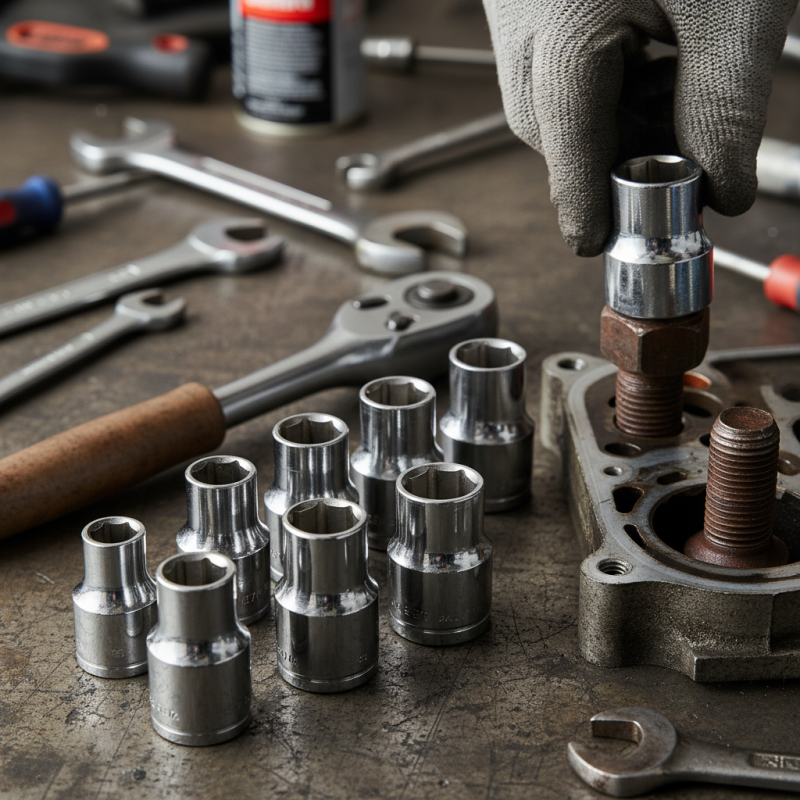
A bolt hex socket is a crucial tool in fastening applications. It is designed to fit onto hexagonal bolt heads. These sockets provide an efficient way to tighten or loosen bolts. They come in various sizes, allowing for versatility across different projects. Using the correct size is essential. An ill-fitting socket can strip the bolt or damage the tool. This can lead to frustrating situations.
When using a bolt hex socket, ensure that it is properly seated. A loose fit can cause slippage, resulting in injury or damage. Apply steady pressure when turning the ratchet or wrench. Too much force might break the bolt or deform the socket. Maintenance is key for longevity. Regular inspection for wear and tear is vital. A worn-out socket can lead to poor performance and safety hazards.
People often assume they can use any socket on any bolt. That’s a misconception. Each socket must match the specific bolt size. Selection is important for successful fastening. Rushing this step can lead to mistakes. Take time to double-check the size before using the tool. Embracing this detail can save time and resources later. Consider keeping a well-organized tool kit to avoid chaos during projects.
Bolt hex sockets come in various standard sizes, each designed for specific applications. Common sizes range from tiny 1/4-inch sockets to larger 1-inch ones. A 3/8-inch socket is often used for general maintenance tasks. Larger sockets, like 1/2-inch, are suitable for heavy-duty equipment. Consider the size of the bolt you are working with. Choosing the correct size socket is crucial for effective torque application.
Materials also vary among bolt hex sockets. Some are made from chrome vanadium steel, while others may use chrome molybdenum. Each material offers different levels of durability and corrosion resistance. Make sure to evaluate the environment where you'll use the socket. For example, a chrome molybdenum socket may be more suitable for high-stress situations.
As with any tool, using a bolt hex socket requires a level of caution. Improper use can lead to stripped bolts or damaged tools. Always check the socket for wear and tear before use. It’s easy to overlook this step. Taking the time for a quick inspection can prevent larger issues down the line.
| Type | Size (mm) | Drive Size (inches) | Typical Use |
|---|---|---|---|
| Standard Hex Socket | 6 | 1/4" | Light-duty applications, small fasteners |
| Deep Hex Socket | 8 | 3/8" | Used for longer bolts and screws |
| Impact Hex Socket | 10 | 1/2" | Heavy-duty applications, automotive repairs |
| Short Hex Socket | 12 | 3/8" | Tight spaces, general assembly |
| Bi-hex Socket | 14 | 1/2" | Versatile use for various fasteners |
Using a bolt hex socket can be straightforward when you know the proper steps. Begin by selecting the correct size socket that matches your bolt. An ill-fitting socket can strip the bolt head, making it inaccessible. Ensure your socket wrench is in good condition. A worn-out wrench can slip, leading to injury or damage.
Once you have your tools ready, align the socket over the bolt. Apply a firm but controlled pressure when turning. It’s crucial to turn slowly at first, checking the resistance. If you encounter difficulty, don’t force it. Instead, reassess your setup. Consider applying a rust penetrant if the bolt is stubborn.
After successfully loosening the bolt, remember to inspect the socket and wrench. Look for any signs of wear. A small crack could mean trouble in future projects. Always clean your tools after use, even if it seems minor. This helps maintain their longevity and effectiveness. Taking these small actions can improve your overall experience and efficiency.
Proper maintenance of bolt hex sockets can greatly extend their lifespan. Keep them clean and free from rust. Wipe down the tools after every use. This simple step prevents dirt and debris from building up. Store them in a dry place to avoid moisture damage. Avoid using gloves that shed fibers; they can clog up the sockets.
Inspect the sockets regularly. Look for signs of wear or damage. If you notice any cracks, it's best to replace them. Over time, hex corners can round off. This makes it harder to get a good grip. To combat this, use the correct size socket for each bolt. A mismatched size can cause unnecessary stress on the tool.
Remember to lubricate your tools occasionally. A little oil can go a long way. Just a few drops can minimize friction. This prevents premature wear. However, be cautious with the amount. Too much lubricant can attract dirt. Maintain awareness of these details. They can make a significant difference in tool longevity.
When considering industry standards for bolt hex sockets, it's essential to refer to specific specifications. The ASME B107.10 standard outlines critical dimensions and tolerances for hex sockets. This standard ensures compatibility and performance across various applications. Adhering to these guidelines allows manufacturers to create tools that meet user requirements effectively.
Most bolt hex sockets fall into particular size categories. Common sizes include 1/4', 3/8', and 1/2'. For instance, a 3/8'' socket typically fits a variety of fasteners. Substandard tools can lead to issues, such as rounding off bolts. Reports indicate that approximately 15% of users encounter socket failure due to poor quality.
Furthermore, tests on hex sockets reveal the importance of material strength. Sockets are often made from chrome vanadium or chrome molybdenum steel. These materials provide durability and resistance to wear. However, not all manufacturers maintain strict quality control. Some sockets may suffer from structural weaknesses. Regular assessments of tools help ensure they meet industry benchmarks.
: Bolt hex sockets range from tiny 1/4-inch to larger 1-inch sizes. Each size fits specific applications.
Common materials include chrome vanadium steel and chrome molybdenum. Each offers different durability and corrosion resistance.
The right size ensures effective torque application. Using the wrong size can lead to stripped bolts or tool damage.
Regularly clean and inspect the sockets for wear. Wipe them after use and store them in a dry place.
Look for cracks or rounded hex corners. These issues can hinder grip and affect performance.
Occasional lubrication is beneficial. A few drops can reduce friction, but avoid over-lubricating to prevent dirt buildup.
Neglecting to inspect sockets can lead to unforeseen damage. It's a critical step that can save time and resources.
Avoid gloves that shed fibers. They can clog sockets and create performance issues during use.
Regular inspections help catch problems early. They ensure tools remain effective and safe to use.
Mismatched sizes can stress the tool unnecessarily. It increases the risk of damage, which could have been avoided.
A Bolt Hex Socket is a specialized tool designed for tightening or loosening hexagonal bolts and screws effectively. Its primary purpose is to provide a better grip and leverage, allowing for efficient fastening in various applications. Bolt Hex Sockets come in standard sizes and are utilized across multiple industries, ensuring compatibility with different bolt sizes and configurations.
To use a Bolt Hex Socket properly, it's vital to follow a step-by-step guide that emphasizes correct alignment and torque application to prevent damage. Additionally, maintaining the tool with regular inspections and proper storage can extend its lifespan. Adhering to industry standards and specifications is essential to ensure safety and performance when using Bolt Hex Sockets in any project.

San Biao