China Top 10 High Strength Nut Suppliers?

Time:2026-10-01 Author:Amelia
0%

China’s high strength fastener industry serves construction, machinery, wind power, automotive, and heavy equipment markets worldwide. This guide introduces ten notable Chinese suppliers of High Strength Nuts, selected for manufacturing capability, product consistency, and export experience. The list is not based on company size alone. A smaller factory may offer stronger technical support than a larger trading company.

The evaluation considers material control, heat treatment, thread accuracy, and inspection procedures. It also reviews compliance with standards such as ISO 898-2, ASTM, and relevant customer specifications. Reliable suppliers should provide mill certificates, dimensional reports, hardness results, and traceable batch numbers. Some factories can also support custom coatings, special thread forms, and large-diameter nuts for demanding projects.

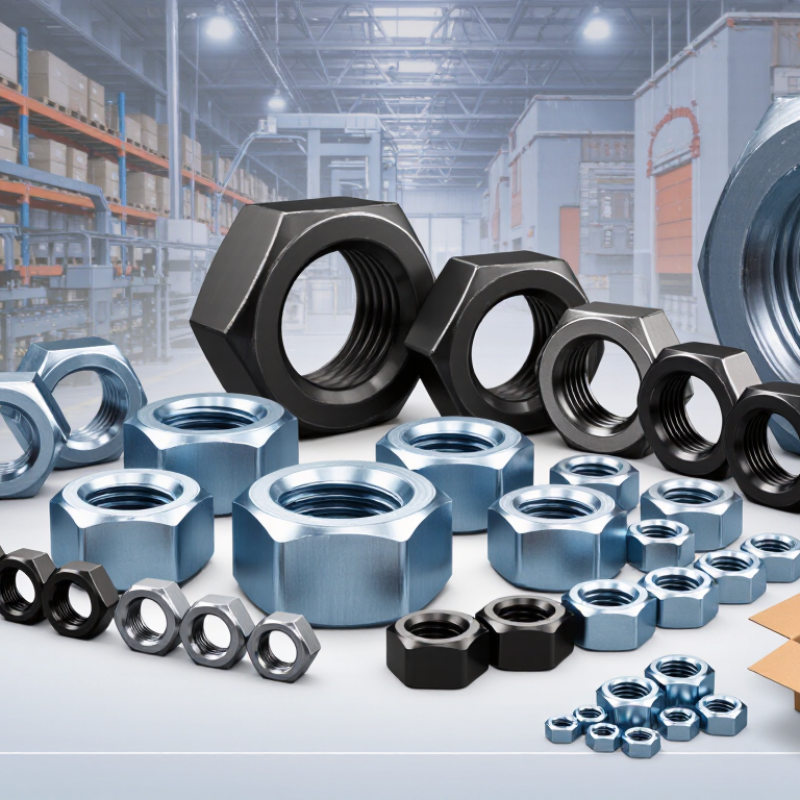
Real purchasing decisions require more than polished websites. Buyers should examine production samples, audit inspection records, and confirm packaging quality before placing large orders. A properly packed carton should protect threads from impact, moisture, and contamination during shipping. Delivery performance matters too. A technically strong supplier can still create problems through unclear lead times or weak communication.

This ranking remains practical, not absolute. Supplier capabilities may change with equipment, staff, or order volume. That limitation deserves attention. The companies discussed here offer useful starting points for comparison, but buyers should verify current certificates and factory conditions independently. With careful checks, procurement teams can reduce failure risks and select High Strength Nuts suited to their actual load, environment, and installation requirements.
China Top 10 High Strength Nut Suppliers?

How High-Strength Nut Suppliers Are Evaluated

Evaluating China’s top high-strength nut suppliers requires more than comparing catalog prices.

In field purchasing, I inspect material certificates, heat numbers, thread gauges, and recent test records. A dependable supplier can explain how alloy chemistry affects hardness, toughness, and corrosion performance. They should identify the applicable standard and keep production records traceable. Cheap samples can look excellent. Production consistency matters more.

Testing should cover hardness, proof load, tensile behavior, dimensional accuracy, and surface treatment. Independent laboratory reports add confidence, especially when internal results seem unusually perfect. Ask for samples from several production lots, not one carefully selected batch. I also review calibration certificates and corrective-action records. Mistakes happen. The response reveals maturity.

Supplier evaluation must include manufacturing capacity, inspection staffing, packaging, and delivery controls. A factory visit can reveal mixed bins, damaged threads, or labels that do not match paperwork. These details are easy to overlook during a video call. Clear drawings and written acceptance criteria reduce disputes. Payment terms and warranty language deserve equal attention. A technically strong supplier may still communicate poorly, creating avoidable risk. My ranking would combine verified evidence, repeat performance, and honest communication—not marketing claims.

China’s High-Strength Nut Manufacturing Landscape

China Top 10 High Strength Nut Suppliers?

China’s High-Strength Nut Manufacturing Landscape

China’s high-strength nut sector combines large-scale forging, heat treatment, and export experience. Grand View Research estimates the global fasteners market reached about USD 104.6 billion in 2023. Demand is supported by construction, machinery, energy, and vehicle production. China remains a major manufacturing base within this supply chain.

Production quality varies between factories. Some suppliers control steel certification, cold forging, heat treatment, and final inspection internally. Others outsource critical processes. That difference affects consistency more than catalogue claims. ISO 898-2 defines mechanical requirements for nut property classes, including grades 8, 10, and 12. Buyers should request test reports for hardness, proof load, chemical composition, and thread accuracy. UN Comtrade data under HS 731816 can also help assess China’s export activity and target markets. A strong export record is useful, but it does not prove every batch is reliable.

Tips: Ask for batch-level traceability. Confirm coating thickness and salt-spray results. Test samples before scaling orders. A practical audit should inspect furnace records, gauges, packaging, and rejected parts. Small details matter. I would not rely only on a supplier’s ISO certificate, because certification scope and daily execution may differ. This is an imperfect market, and price comparisons often exclude testing, tooling, replacement stock, and delivery risk.

China Top 10 High Strength Nut Suppliers? - China’s High-Strength Nut Manufacturing Landscape

Anonymized market-capability comparison based on commonly specified Chinese manufacturing standards, materials, processes, and export requirements. Supplier identities and brand information are intentionally omitted.

Rank Anonymized Supplier Segment Major Manufacturing Cluster Typical Product Range Common Strength Classes Typical Materials Manufacturing Processes Surface Treatments Applicable Standards Typical Quality Systems Primary Application Sectors Export Capability
1 Large-volume industrial fastener producer Jiaxing, Zhejiang M8–M30 hex nuts; standard and heavy hex patterns Class 8Class 10Class 12 Carbon steel; 35CrMo; 40Cr Cold heading, hot forging, thread tapping, automatic sorting Zinc electroplating, black oxide, zinc flake GB/T 3098.2; ISO 898-2; DIN 934; ASTM A563 ISO 9001; laboratory hardness and proof-load testing Machinery, construction equipment, general engineering Regular container exports to Europe, North America, and Southeast Asia
2 Heavy-duty forged nut producer Handan, Hebei M12–M64 heavy hex nuts; structural and oversized patterns Class 8Class 10Grade 2H 35CrMo; 42CrMo; medium-carbon steel Hot forging, CNC machining, heat treatment, magnetic-particle inspection Plain oil, hot-dip galvanizing, zinc flake GB/T 3098.2; ISO 898-2; ASTM A194; ASTM A563 ISO 9001; batch traceability and mechanical testing Steel structures, bridges, mining, heavy machinery Suitable for project-based and full-container orders
3 Automotive-grade precision nut producer Ningbo, Zhejiang M6–M20 flange nuts, prevailing-torque nuts, welded nuts Class 8Class 10Class 12 Carbon steel; boron steel; stainless steel A2 and A4 Multi-station cold forming, thread rolling, torque testing Geomet-type zinc flake, zinc-nickel, electro zinc ISO 898-2; DIN 6923; ISO 2320; IATF-related customer specifications ISO 9001; IATF 16949 commonly requested for automotive supply chains Automotive components, chassis, engines, industrial assemblies Strong OEM and tier-supplier logistics capability
4 Stainless and corrosion-resistant nut producer Wenzhou, Zhejiang M4–M36 hex, nyloc, cap, flange, and locking nuts A2-70A4-70A4-80 304; 316; 316L stainless steel Cold heading, machining, thread rolling, passivation Passivated, electropolished, plain stainless finish ISO 3506-2; DIN 934; DIN 985; ASTM F594 ISO 9001; PMI and corrosion-resistance verification available Marine equipment, food processing, chemical plants, outdoor systems Small-to-medium mixed-size export orders are common
5 Wind-power and energy fastener producer Taizhou, Jiangsu M16–M48 large-size nuts for tower and turbine assemblies Class 10Class 12Grade 10S 42CrMo; 40Cr; quenched and tempered alloy steel Hot forging, CNC finishing, controlled heat treatment, ultrasonic inspection Zinc flake, dacromet-type coating, hot-dip galvanizing ISO 898-2; ASTM A194; EN 14399-related project requirements ISO 9001; PPAP or project-specific inspection dossiers Wind turbines, solar structures, power transmission, energy infrastructure Project documentation and third-party inspection support are typical
6 Railway and infrastructure fastener producer Yongnian, Hebei M12–M36 structural, track, anchor, and railway nuts Class 8Class 10Grade 2H Carbon steel; 40Cr; 35CrMo Cold heading, hot forging, precision tapping, load testing Hot-dip galvanizing, mechanical galvanizing, black oxide GB/T 3098.2; ISO 898-2; ASTM A563; project-specific railway standards ISO 9001; dimensional, hardness, and proof-load inspection Railways, bridges, tunnels, highways, public infrastructure Competitive pricing for distributor and construction-project channels
7 Custom-machined high-strength nut producer Dongguan, Guangdong M3–M42 special nuts, thin nuts, square nuts, and custom profiles Class 8Class 10Class 12 Carbon steel; alloy steel; stainless steel; brass for non-structural use CNC turning, milling, cold forming, broaching, secondary machining Electro zinc, nickel plating, black oxide, passivation ISO 898-2; ISO 3506-2; customer drawings and control plans ISO 9001; CMM and optical measurement capability Electronics equipment, robotics, automation, machinery Flexible for prototypes, low-volume orders, and engineered parts
8 Oil, gas, and petrochemical nut producer Jiangsu coastal manufacturing belt M10–M64 heavy hex and pressure-equipment nuts Grade 2HGrade 7Grade 8 Alloy steel; 4140-type steel; stainless and nickel alloys by order Hot forging, heat treatment, machining, ultrasonic and hardness inspection Plain oil, phosphate, zinc flake, PTFE-based coatings ASTM A194; ASTM A453; ASTM A320-related assemblies ISO 9001; material certificates and third-party inspection commonly required Valves, flanges, pressure vessels, pipelines, petrochemical equipment Experienced with MTRs, certificates of conformity, and inspection plans
9 Construction and anchoring-system nut producer Jinan, Shandong M8–M30 anchor nuts, coupling nuts, sleeve nuts, and structural nuts Class 8Class 10Grade 2H Carbon steel; medium-carbon alloy steel; stainless steel on request Cold forming, hot forging, tapping, galvanizing, salt-spray verification Hot-dip galvanizing, electro zinc, mechanical zinc ISO 898-2; ASTM A563; DIN 6334; EN project specifications ISO 9001; coating-thickness and dimensional inspection Construction anchors, steel frames, concrete systems, solar mounting Well suited to distributor, hardware, and construction supply channels
10 Small-batch export and private-label producer Shanghai–Kunshan manufacturing corridor M5–M30 standard, locking, flange, and specialty nuts Class 8Class 10A2-70 Carbon steel; alloy steel; 304 and 316 stainless steel Cold heading, thread tapping, sorting, outsourced heat treatment when required Electro zinc, black oxide, passivation, zinc flake ISO 898-2; ISO 3506-2; DIN and ANSI/ASME dimensional standards ISO 9001 commonly available; pre-shipment inspection support Hardware distribution, maintenance, machinery, general export trade Suitable for mixed containers, catalog items, and private-label packaging
Technical note: Strength classes, dimensions, coatings, and certification availability must be confirmed against the supplier’s current drawings, test reports, material certificates, and purchase-order requirements. ISO 898-2, ISO 3506-2, ASTM A563, ASTM A194, and related standards are not interchangeable without checking the specified grade and application.

Profiles of the Top 10 High-Strength Nut Suppliers

China’s high-strength nut sector serves construction, energy, machinery, rail, and heavy transport. Grand View Research reports that the global industrial fasteners market was valued at over USD 90 billion in 2023. Demand remains strongest where vibration, heat, and repeated loading are serious concerns.

The first supplier profile is a forged-nut specialist, offering heat treatment and batch traceability. The second focuses on construction anchors and large structural nuts. A third serves wind-turbine projects with oversized, corrosion-resistant products. The fourth supplies automotive-grade nuts under strict dimensional controls. A fifth combines cold forming with automated inspection. The sixth supports railway maintenance and heavy equipment. The seventh produces metric and custom-threaded nuts for export orders. The eighth emphasizes stainless and coated solutions for coastal environments. The ninth handles small-volume engineering prototypes. The tenth operates as a flexible contract manufacturer for distributors.

These profiles should be checked against factory evidence, not attractive catalogues. ISO 898-2 defines mechanical requirements for nuts used with high-strength bolt assemblies. Useful evidence includes hardness records, tensile-test reports, coating thickness readings, and lot-level certificates. Mordor Intelligence identifies infrastructure, automotive production, and machinery as major fastener-market demand drivers. That supports the sector’s outlook, but it does not prove every supplier’s capability. The ranking is not absolute. Some factories show excellent test results but weak export communication. Others respond quickly yet provide limited process data. A careful buyer should request sample nuts, inspect thread fit with calibrated gauges, and compare failure records before signing a supply agreement.

Product Range, Standards, and Customization Capabilities

China Top 10 High Strength Nut Suppliers

Selecting China’s top ten high-strength nut suppliers requires more than comparing prices. Product range matters. Strong candidates should offer hex nuts, flange nuts, lock nuts, heavy-hex nuts, and prevailing-torque designs. Common material options include carbon steel, alloy steel, and stainless steel. ISO 898-2:2022 defines mechanical requirements for metric nuts, including proof load and hardness. Suppliers following this standard can provide clearer performance evidence.

Standards must match the application. Export projects may request ISO, DIN, ASTM, or GB specifications. A reliable supplier should provide mill certificates, dimensional reports, tensile testing, and batch traceability. ASTM A194 remains relevant for pressure equipment and elevated-temperature service. Grand View Research estimated the global industrial fasteners market at about USD 84.9 billion in 2023, with continued growth through 2030. This expansion increases demand for documented quality, not merely higher strength claims.

Customization separates capable suppliers from ordinary factories. Useful options include non-standard thread sizes, special coatings, fine threads, reduced-height nuts, and laser marking. Salt-spray testing should support coating claims, although test hours do not perfectly predict field life. This is easy to overlook. Engineers should review tightening conditions, temperature, corrosion exposure, and mating bolt grades before approving a supplier. Sample inspection is still necessary, even when certificates look complete.

China High-Strength Nut Suppliers: Product Range, Standards, and Customization

Reference view of commonly specified nut categories and standard families used in industrial sourcing. The figures represent the number of selected international and Chinese standard references associated with each category, not company rankings.

Hex and heavy-hex nuts are widely used for general structural and machinery applications. Prevailing-torque nuts support vibration resistance, while fine-thread nuts and corrosion-resistant grades are frequently selected for specialized assemblies. Common references include ISO 4032, ISO 898-2, DIN 934, GB/T 6170, ASTM A194/A194M, ASTM A563/A563M, and ASME B18.2.2.

How to Compare and Select the Right Supplier

China Top 10 High Strength Nut Suppliers: How to Compare and Select the Right Supplier

China’s high-strength nut market is broad, but supplier quality varies sharply. Grand View Research reported that the global industrial fasteners market was valued at about USD 84.9 billion in 2022, with steady growth expected through 2030. This growth increases purchasing options, not necessarily purchasing confidence. Compare suppliers through material certificates, ISO 898-2 compliance, heat-treatment records, and batch-level traceability. Ask for samples from regular production, not specially prepared samples. Check hardness, proof load, thread accuracy, coating thickness, and packaging protection. Small details matter.

Tips: Request a recent inspection report. Verify the laboratory’s accreditation. Match the test method to your application. A supplier should explain failures clearly, even when the explanation is uncomfortable. I have seen attractive samples hide inconsistent lot control. That mistake is expensive. Use at least three suppliers for comparison, then score delivery reliability, defect rates, tooling capability, and communication speed. Thomasnet’s industrial purchasing research has repeatedly highlighted quality consistency and delivery performance as major supplier-selection factors. Price should remain visible, but it should not dominate the score.

Review the supplier’s production process in sequence: incoming steel inspection, cold forming, heat treatment, thread inspection, surface finishing, and final packing. Request corrective-action records for previous nonconformities. For critical applications, consider independent pre-shipment inspection and periodic destructive testing. A supplier with modern equipment may still lack disciplined process control. Conversely, a smaller factory may perform well but need stronger documentation. That uncertainty deserves a site audit, not an assumption. Compare total cost, including rejected parts, delays, retesting, and replacement freight.

FAQS

What documents should a high-strength nut supplier provide?

Request material certificates, heat numbers, dimensional reports, and recent test records. Batch traceability matters. Missing records create uncertainty.

Which tests are important for evaluating nut quality?

Review hardness, proof load, tensile behavior, dimensions, and surface treatment. Independent laboratory reports add confidence. Perfect results still deserve questions.

Why should buyers inspect several production lots?

One sample may come from a carefully selected batch. Samples from several lots reveal production consistency. This takes more time, but it reduces surprises.

Which standards may apply to high-strength nuts?

Common requirements may reference ISO, DIN, ASTM, or GB specifications. ISO 898-2:2022 covers mechanical requirements for metric nuts. The selected standard must match the application.

What nut types and materials should a capable supplier offer?

Useful options include hex, flange, lock, heavy-hex, and prevailing-torque nuts. Materials may include carbon steel, alloy steel, and stainless steel. Range matters.

Can suppliers produce customized high-strength nuts?

Capable suppliers may offer special threads, coatings, reduced heights, and laser marking. Ask for drawings and written acceptance criteria. Custom work needs sample approval.

How can a factory visit reveal quality problems?

Inspect bins, thread condition, labels, packaging, and production records. Mixed bins or damaged threads indicate control weaknesses. Video calls may miss these details.

What should buyers review beyond technical quality?

Examine inspection staffing, calibration certificates, corrective-action records, delivery controls, payment terms, and warranty language. Communication matters too. No checklist is perfect. Suppliers can still make mistakes, so response quality deserves attention.

Conclusion

China’s high-strength nut industry offers a broad range of capable suppliers serving construction, machinery, automotive, energy, and industrial equipment markets. This article explains how High Strength Nuts suppliers are evaluated through production capacity, material control, dimensional accuracy, heat treatment, quality inspection, delivery reliability, and customer service. It also explores China’s manufacturing landscape, where suppliers may differ in specialization, equipment, technical expertise, and ability to support both standard and custom orders.

The overview introduces ten representative supplier types without focusing on brand names, highlighting their product ranges, applicable standards, surface treatments, packaging options, and customization capabilities. It also provides a practical framework for comparing suppliers according to required strength grades, thread specifications, corrosion resistance, testing documentation, order volume, lead time, and total cost. By using these criteria, buyers can identify a dependable partner that consistently meets technical requirements, quality expectations, and project schedules.


Amelia

Amelia

Amelia is a seasoned marketing professional with a wealth of expertise in our company’s core offerings. With an unwavering passion for driving growth and innovation, she plays a pivotal role in shaping our marketing strategies and enhancing brand visibility. A key aspect of her responsibilities......