When embarking on a new project, the choice of fasteners can significantly impact durability and performance. Hexagon bolts are often favored due to their unique design and robust construction. These bolts, known for their six-sided heads, provide a more secure grip compared to other fasteners. This characteristic markedly improves torque capabilities, making them ideal for high-stress applications.
Hexagon bolts offer versatility across various industries. From construction to automotive engineering, they serve multiple purposes effectively. Their resilience against shear forces and environmental factors often outperforms standard bolts. However, not all hexagon bolts are created equal. Quality can vary widely, and it is essential to select suppliers with proven expertise.
Incorporating hexagon bolts into your project might seem straightforward. Still, careful consideration of material and specifications is crucial. Choosing the wrong type can lead to catastrophic failures. A thorough understanding of hexagon bolts reinforces their reliability, supporting your project's longevity and success.
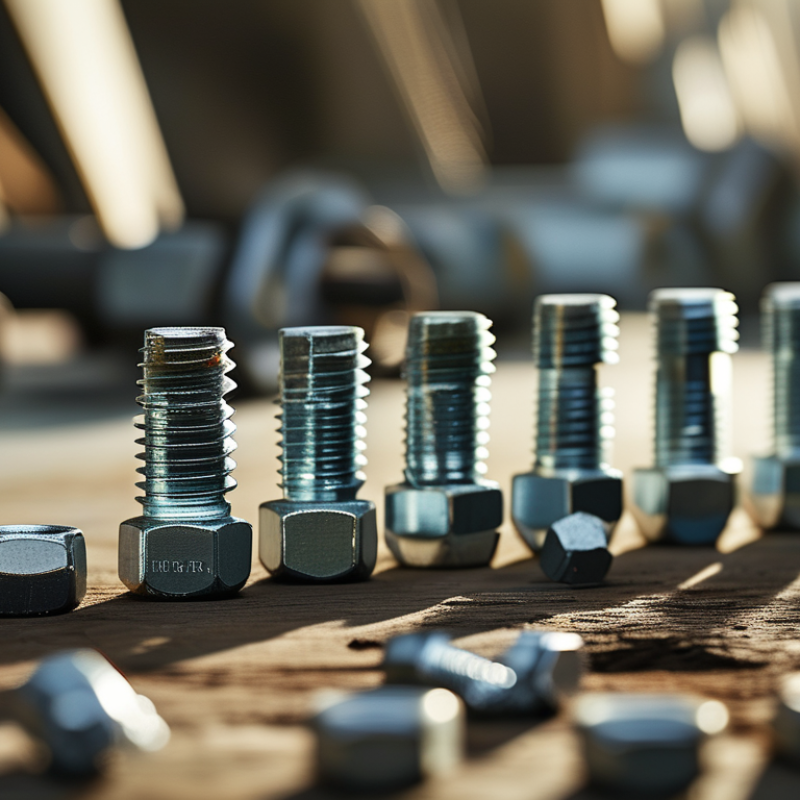
Hexagon bolts are gaining traction in various industries due to their unique advantages over other fasteners. One notable benefit is their superior torque performance. According to a report by the International Fastener Institute, hexagon bolts can handle higher loads and resist loosening better than traditional fasteners. This makes them ideal for critical applications in construction and automotive sectors.
Another vital aspect is the ease of installation. Hexagon bolts allow for quick tightening and loosening with standard tools. This efficiency can significantly reduce labor time during assembly. Many engineers also note that the design of hexagonal heads provides better grip and prevents slipping, enhancing overall safety and reliability.
Tip: Always check the compatibility of hexagon bolts with your materials. Mismatches can lead to complications.
While hexagon bolts are highly versatile, they are not without limitations. In tight spaces, the shape may pose challenges. Careful planning is essential to maximize their benefits.
Tip: Consider using washers with hexagon bolts. This can improve load distribution and prevent damage to surfaces.
Research shows that the correct use of hexagon bolts contributes to longer-lasting structures. Their adaptability makes them a preferred choice among professionals in the field. Nonetheless, it's crucial to evaluate specific project needs before making a selection.
When selecting hexagon bolts for a project, the materials and finishes play a critical role. The most common materials include carbon steel, stainless steel, and alloy steel. Carbon steel is widely used due to its strength and affordability. It typically has a tensile strength of around 400 MPa. However, it can be prone to corrosion if left untreated.
Stainless steel, on the other hand, offers superior corrosion resistance. It is often used in environments exposed to moisture. Its tensile strength can reach up to 800 MPa, making it ideal for applications requiring durability. In practice, the selection between these materials should consider the project's specific environmental factors. Too often, projects overlook the long-term implications of material choice.
In terms of finishes, options such as zinc plating, hot-dip galvanizing, and black oxide are popular. Zinc plating provides a protective layer and is effective for projects exposed to the elements. Hot-dip galvanizing can prolong bolt life significantly, offering complete coverage against rust. On the downside, while these finishes add protection, they might affect the bolt's dimensions. Maintaining precise tolerances during installation becomes crucial. The wrong finish could lead to compatibility issues. Proper planning and exhaustive testing can mitigate these risks.
Hexagon bolts play a critical role across various industries, ensuring structural integrity and safety. In construction, they are commonly used in steel frameworks due to their superior load-bearing capacity. According to a report by McKinsey, approximately 63% of construction failures are linked to inadequate fastening solutions. This highlights the importance of selecting the right hardware. Hexagon bolts provide enhanced grip and minimize the risk of loosening over time.
In the automotive sector, hexagon bolts secure engine components, drivetrains, and chassis assemblies. The International Organization for Standardization (ISO) indicates that using appropriate fasteners can improve vehicle safety ratings by 14%. This data emphasizes the need for robust fastening solutions in high-stress applications. These bolts are also prevalent in the aerospace industry. They are crucial for assembling airframes, where precision is non-negotiable.
Tips: Always match bolt specifications with your project’s requirements. Consider load capacities and environmental factors. Over-tightening hexagon bolts can lead to material fatigue. Regular inspections can help identify potential issues before they become significant problems. Using the correct torque settings is essential for optimal performance.
When it comes to using hexagon bolts, proper installation is crucial. Start by selecting the right size bolt for your project. An improperly sized bolt can lead to weak connections. Ensure that the materials you are fastening are aligned. Misalignment can cause unnecessary stress on the bolt, leading to failure. It is also important to consider the torque specifications. Without the right torque, you may under-tighten or over-tighten the bolt, compromising its performance.
Use a torque wrench for accuracy. This tool helps avoid guesswork and provides a reliable measurement. Don’t rush the process; take your time with each bolt. Rushing can lead to mistakes, like cross-threading. Make sure to clean the threads before installation. Contaminants can weaken the bond. Checking for any rust or corrosion before fixing will ensure optimal functionality.
Inspect your work regularly. Sometimes, bolts can loosen over time, especially in dynamic applications. A periodic check will save time and resources later. Don't ignore minor issues; they can escalate if left unchecked. Pay attention to details during installation. Even small mistakes can have significant impacts on the project’s integrity.
| Project Type | Bolt Size (mm) | Material | Installation Method | Torque Specification (Nm) |
|---|---|---|---|---|
| Structural Engineering | 10 | Steel | Torque Wrench | 25 |
| Machinery Assembly | 12 | Stainless Steel | Impact Socket | 30 |
| Automotive | 14 | Carbon Steel | Pneumatic Tool | 50 |
| Construction | 16 | Alloy Steel | Ratcheting Wrench | 40 |
When working with hexagon bolts, regular maintenance is key to their longevity. These bolts can experience wear over time. It’s essential to assess them regularly. Check for signs of corrosion or wear. Even small rust spots can indicate a bigger problem. Using a wire brush helps remove surface rust. This simple step can extend the life of your bolts significantly.
Proper installation is equally important. Ensure that the bolts are tightened to the correct torque specifications. Over-tightening can cause damage, while under-tightening can lead to failure. Inspect the threads for any signs of stripping. A damaged thread may compromise the bolt's strength. If you notice any issues, consider replacing the bolt before it fails.
Seasonal inspections also matter. Environments with moisture can speed up corrosion. Coating bolts with protective oils may help. Keeping the bolts clean is crucial. Dust and debris can trap moisture, hastening deterioration. Even with the best practices, not all bolts will last forever. Assessing their condition regularly ensures safety and reliability in your projects.
: Common materials include carbon steel, stainless steel, and alloy steel. Each has specific strengths and weaknesses.
Carbon steel is strong and affordable. However, it can corrode if not treated properly.
Stainless steel provides excellent corrosion resistance and high tensile strength, suitable for harsh environments.
Popular finishes include zinc plating, hot-dip galvanizing, and black oxide. They enhance protection against environmental factors.
Proper installation ensures strong connections. Misalignment or incorrect torque can lead to significant failures.
Over-tightening can cause material fatigue. It's vital to follow correct torque specifications for safe usage.
Ensure materials are clean and threads are free from contaminants. This prevents weak connections.
Regular inspections can identify loose bolts. Early detection of minor issues can prevent larger problems.
Take your time, use a torque wrench, and avoid rushing. Small errors can impact overall project safety.
An inappropriate finish may affect the bolt’s dimensions, leading to compatibility issues during installation.
Hexagon bolts are a popular choice in various projects due to their unique advantages over other fasteners. Their design allows for higher torque application, resulting in a more secure fastening in demanding environments. Commonly available in a variety of materials and finishes, hexagon bolts can be tailored to meet specific requirements, enhancing their versatility across numerous applications in industries such as construction, automotive, and machinery.
To maximize the effectiveness of hexagon bolts, proper installation techniques are crucial, including ensuring adequate torque and alignment. Additionally, implementing regular maintenance practices can significantly enhance their lifespan, preventing issues such as corrosion and loosening over time. By understanding these aspects, engineers and builders can leverage hexagon bolts to create more durable and reliable structures.

San Biao