Choosing the right Countersunk Drill Screws is essential for the success of any project. These screws provide a flush surface, making them ideal for aesthetics and functionality. However, selecting the correct type can be challenging, given the variety of options available.
When considering Countersunk Drill Screws, think about your material and application. Different projects demand specific screw types. Quality is crucial; using inferior screws can lead to premature failure. This not only affects project integrity but may require costly repairs or replacements.
Also, reflect on the screw's head type, material, and size. Each choice has implications for performance and durability. Not every screw will meet every requirement perfectly. Take time to weigh your options thoughtfully. Investing in the right Countersunk Drill Screws can enhance your project's quality significantly.
Understanding the Basics of Countersunk Drill Screws
Understanding the basics of countersunk drill screws is essential for anyone tackling DIY or construction projects. These screws have a flat head, allowing them to sit flush with the material's surface. This feature not only improves aesthetics but also minimizes the risk of catching on clothing or other objects. When selecting the right screws, consider the material thickness and the type of material you are working with.
Choosing the correct length is crucial. A screw that is too short may not provide adequate holding power. Conversely, a screw that is too long could protrude, leading to structural weaknesses. Pay attention to the diameter as well, as it should match the intended hole size. For wood, a pilot hole often helps prevent splitting.
Tip: Always use a countersink bit if you want a clean, neat finish. This tool allows the screw head to sit perfectly flush. Another useful tip is to test a screw in a scrap piece before applying it to your main project. This ensures compatibility, saving you time and frustration later. Reflect on whether you have the right tools ready, as this can impact the final outcome.
Factors to Consider When Selecting Countersunk Drill Screws
Choosing the right countersunk drill screws is crucial for project success. One major factor to consider is the material and coating of the screws. For instance, stainless steel offers corrosion resistance but can cost more. According to data from the Fastener Quality Act, over 20% of fasteners fail due to improper material selection. This highlights the importance of making informed choices.
Another key consideration is the head design. The countersunk shape is designed to sit flush with the surface, but it may vary. A flat head is common for wood projects, while a rounded head may be better for metal applications. A study by the Industrial Fasteners Institute shows that screw head designs affect torque and load bearing significantly, influencing the overall strength of the assembly.
The size of the screw is critical as well. Too large or small can compromise stability. Research indicates that using the correct diameter can increase holding strength by up to 40%. Furthermore, an inadequate pilot hole can lead to wood splitting, which raises questions about proper technique. Adopting best practices can mitigate such issues and enhance project reliability.
Different Types of Countersunk Drill Screws and Their Applications
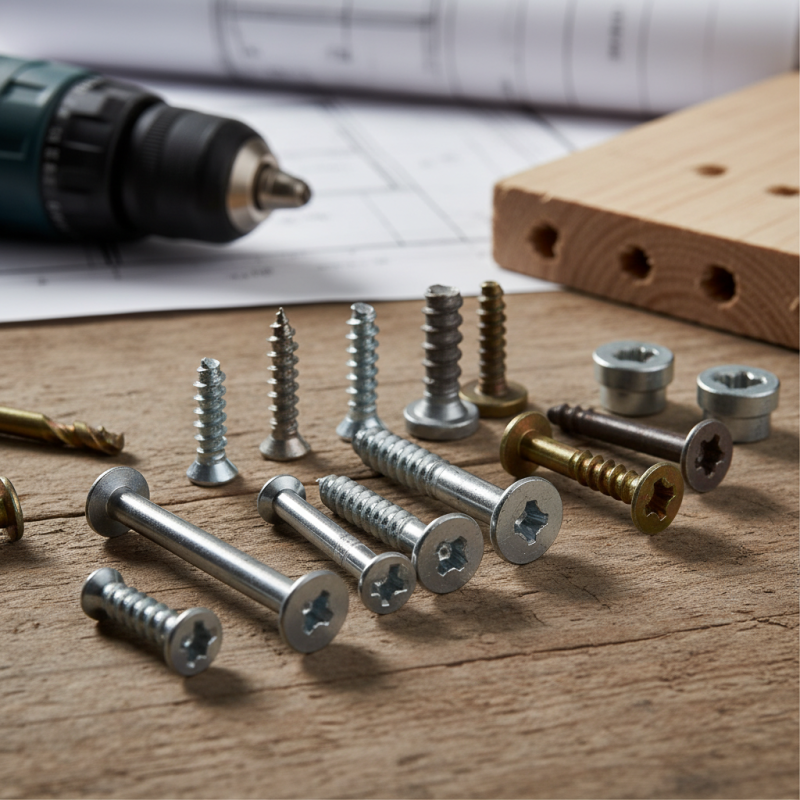
When selecting countersunk drill screws, understanding the different types and their specific applications is crucial. Commonly, you will find flat head screws, which sink flush with the surface. This design is ideal for woodworking and cabinetry, where a smooth finish is essential.
Then, there are oval head screws, which provide a subtle curve above the surface. They are often used in decorative applications where aesthetics matter.
Additionally, consider the materials of the screws. Steel is a popular choice for general projects, but stainless steel offers superior corrosion resistance. This makes it perfect for outdoor applications or environments with moisture. Some may overlook the size and length of screws, leading to insufficient grip or structural integrity. Proper selection can impact the longevity of your project.
Don't forget about the features, such as thread types. Coarse threads grip well in soft materials like wood, while fine threads are suited for harder materials. Sometimes, the right screw can be the difference in your project’s success. Reflect on your choices carefully, weighing the materials and design against your project needs for optimal results.
How to Measure and Choose the Right Size for Your Project
When embarking on a project requiring countersunk drill screws, size plays a crucial role. Measuring correctly should be your priority. Begin by identifying the thickness of the material you intend to fasten. For instance, if you use a wooden board, measure its thickness with a caliper or ruler. Choose screws that are long enough to secure the materials but not so long that they penetrate through the other side.
Understanding screw dimensions is vital. Countersunk screws have a specific shape that allows for a flush finish. Check the diameter of your chosen screw against the drill bit size. A common mistake is opting for screws that are too wide or too narrow. For precise fitting, ensure the pilot hole matches the screw size closely.
Don’t forget about thread type and material. Different projects might benefit from coarse or fine threads. Coarse threads suit soft materials, whereas fine threads work better for hardwood. Consider the environment as well. If your project is outdoors, opt for corrosion-resistant materials. Reflecting on these factors will help in choosing the right screw for your specific needs, although it may take some trial and error for perfect results.
How to Choose the Right Countersunk Drill Screws for Your Projects
| Screw Type |
Diameter (mm) |
Length (mm) |
Material |
Head Type |
Recommended Use |
| Flat Head |
4 |
30 |
Steel |
Countersunk |
Woodworking |
| Pan Head |
5 |
25 |
Stainless Steel |
Flat |
General Purpose |
| Bugle Head |
6 |
40 |
Zinc-Plated Steel |
Countersunk |
Drywall Installation |
| Socket Head |
8 |
50 |
Aluminum |
Countersunk |
Machining |
| Hex Head |
10 |
60 |
Carbon Steel |
Flat |
Heavy-duty Applications |
Common Mistakes to Avoid When Using Countersunk Drill Screws
Countersunk drill screws are essential for many projects. However, common mistakes can undermine your work. One key error is incorrect pilot hole size. A hole too small can cause stress and breakage. If it's too large, the screw won't hold securely. Always check your drill bit sizes before you begin.
Another frequent oversight is improper screw depth. Screws should sit flush with the surface. If they are too deep, it can weaken the material. Conversely, if they are too shallow, they may not provide adequate hold. Use a depth gauge to ensure accuracy.
**Tips:** Take a moment to measure twice before drilling. Always choose the right material type for your screws. Consider the thickness of the materials you are joining. If you follow these guidelines, your projects will show better results. Anticipate challenges, and be ready to adjust your strategy. Mistakes are learning opportunities, so reflect on them thoughtfully.
Common Mistakes When Choosing Countersunk Drill Screws
Conclusion
Selecting the right countersunk drill screws for your projects requires a foundational understanding of their characteristics and applications. Countersunk drill screws are designed to create a flush finish with the surface they are screwed into, making them ideal for various construction and DIY tasks. When choosing these screws, it's essential to consider factors such as material compatibility, screw size, shaft length, and head type.
Different types of countersunk drill screws serve distinct purposes, so knowing their applications will enhance your project's outcome. Proper measurement is vital to ensure a snug fit; using the right size will prevent issues such as weak fastening or damage to materials. Additionally, avoid common mistakes like using the wrong drill bit or not pre-drilling holes, as these can lead to complications during installation. By adhering to these guidelines, you can effectively choose and utilize countersunk drill screws for optimal results in your projects.

 San Biao