Choosing the right Anchor Bolt Coupling Nut is crucial for any construction project. According to industry expert John Smith, “The strength and reliability of every structure depend on quality components like coupling nuts.” This emphasizes the importance of selecting the correct nut to ensure safety and durability.
When working with Anchor Bolt Coupling Nuts, several factors must be considered. The material, size, and thread type can significantly affect performance. It is easy to overlook these aspects, leading to costly mistakes. A misplaced or incorrect nut can compromise a project’s integrity.
In an industry where precision matters, taking the time to analyze your options is essential. Often, professionals rush the selection process, thinking all coupling nuts are the same. However, each project is unique and requires careful consideration to meet its specific demands. Reflecting on past experiences can guide better choices in the future.
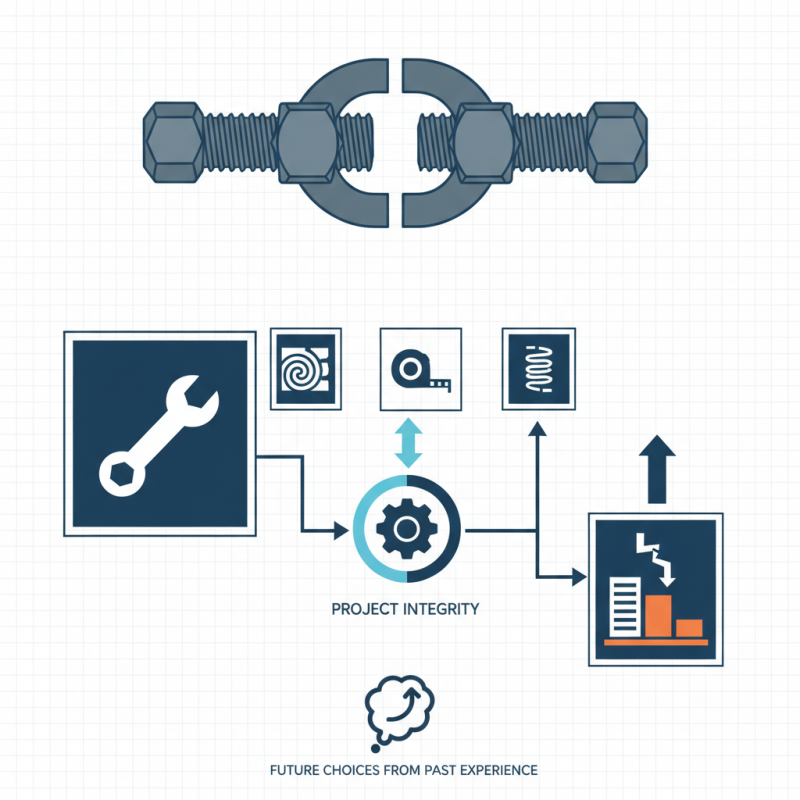
When selecting anchor bolt coupling nuts, understanding the types available is vital. There are several common types, including
standard coupling nuts, heavy-duty coupling nuts, and lock nuts. Each has distinct applications and load capacities.
Standard coupling nuts are ideal for typical construction projects, with a tensile strength of about 60,000 psi.
Heavy-duty coupling nuts, however, can withstand loads exceeding this, making them suitable for industrial applications.
Lock nuts provide a mechanical locking mechanism to prevent unintentional loosening due to vibrations.
According to a recent industry report, approximately 30% of failures in construction bolting come from inadequate nut selection.
This highlights the need for careful consideration during the procurement process.
Features matter. Manufacturing processes, such as hot-dip galvanizing or zinc plating, can impact durability.
Environmental factors must also be considered. Some nuts are better suited for corrosive environments.
Corrosion can reduce the lifespan of coupling nuts significantly.
It's recommended to choose the nut that aligns with environmental conditions and load requirements to ensure project success. However, even with the right choice,
human error in installation can lead to failures. Attention to detail is crucial.
Selecting the right anchor bolt coupling nut is crucial for ensuring the overall strength and stability of a project. A report from the Fastener Quality Act indicates that proper material selection can influence the integrity of connections. Use high-grade materials to prevent corrosion and failure. Consider the environmental conditions as well. In harsh settings, a stainless steel or coated coupling nut may be necessary.
Thread dimensions also play a vital role. Industrial studies show that improper thread fit can lead to significant stress concentrations. Depending on the load requirements, choose the appropriate size. A small miscalculation may result in a compromised assembly. Likewise, load ratings must align with your project specifications. Many suppliers provide load capacity charts that can be valuable in this decision-making process.
Don’t forget to evaluate the installation process. Some designs are easier to work with than others. If workers struggle during installation, it can lead to poor outcomes. Review all installed hardware periodically. This habit will prevent unexpected failures later. There’s often pressure to save costs, but investing in quality coupling nuts is essential for safety.
When embarking on a project, choosing the right anchor bolt coupling nut is crucial. The compatibility between the nut and anchor bolts significantly affects the assembly’s strength. A well-fitting coupling nut ensures that the load is distributed evenly. This is critical in high-stress environments. If the coupling nut doesn’t match, problems can arise. For example, excessive wear and tear may occur.
Proper measurement is vital. Measure the diameter and thread pitch of your anchor bolts. Compare these measurements with the specifications of potential coupling nuts. This step is often overlooked. Many users might assume compatibility without verifying it. Taking a moment to check can avoid costly mistakes later on.
Material choice also plays a role in compatibility. Match the nut material to the anchor bolt. This helps in preventing corrosion and ensures longevity. However, even with the right measurements, sometimes things don’t fit perfectly. The type of installation can also impact the overall performance. Being aware of these factors can enhance your project’s outcome. It's essential to think critically about these elements before making a decision.
When choosing anchor bolt coupling nuts, material options play a crucial role. Common choices include steel, stainless steel, and nylon. Steel coupling nuts provide strength and reliability. They work well in heavy-duty applications. However, they are prone to rust if not coated. Stainless steel is resistant to corrosion, making it suitable for outdoor use. Yet, it can be more expensive than standard steel.
Nylon coupling nuts offer a lightweight alternative. They resist corrosion and are non-conductive. This makes them ideal for electrical applications. However, they have lower strength compared to metal options. Consider the environment where your project will take place. Extreme temperatures or exposure to chemicals may affect your choice.
Tips: Always check specifications for load capacity. This ensures the coupling nut can handle the required weight. Don’t hesitate to compare different materials. Sometimes, a less obvious choice might suit your needs better. Reflect on the long-term effects. Select materials that offer durability to avoid frequent replacements.
| Material Type | Corrosion Resistance | Strength | Cost | Typical Use Cases |
|---|---|---|---|---|
| Carbon Steel | Moderate | High | Low | General construction |
| Stainless Steel | High | Moderate | Medium | Marine applications |
| Aluminum | Moderate | Low to Moderate | Medium | Lightweight structures |
| Bronze | Very High | Moderate | High | Artistic applications |
Choosing the right anchor bolt coupling nut is crucial for structural integrity. To maximize performance, proper installation techniques are essential. A recent industry report indicated that up to 30% of coupling failures stem from improper installation. It's vital to pay attention to detail during this phase.
When installing coupling nuts, verify the thread engagement. Ensure that at least two threads are engaged for safety. Insufficient engagement can lead to failures. Use a torque wrench to achieve the correct tension. Over-tightening can strip threads, while under-tightening may cause loosening.
Always inspect the nut and bolt before installation. Look for signs of wear or damage. Even minor defects can compromise performance. Keep in mind that environmental factors can impact the nuts' longevity. Corrosion-resistant materials often perform better in harsh conditions.
Consider the load requirements of your project. The right nut can distribute stress evenly. In some cases, it’s helpful to consult with structural engineers. They can provide insights and data tailored to specific applications. Remember, thoughtful installation leads to better results.
: Proper selection ensures the strength and stability of a project. It affects connection integrity.
High-grade materials prevent corrosion and failures. They are essential in harsh environmental conditions.
Improper thread fit causes stress concentrations. Choose the correct size based on load requirements.
Suppliers often provide load capacity charts. These charts help match nuts with project specifications.
Verify thread engagement and ensure at least two threads are engaged. This is crucial for safety.
Over-tightening can strip threads. Under-tightening might result in loosening and failures.
Minor defects can impact performance. Regular inspections prevent issues in the long run.
Corrosion-resistant materials perform better in harsh conditions. Always consider the project environment.
Consulting them can provide tailored insights. Their expertise may help prevent costly errors.
Review installed hardware periodically. This habit can identify potential issues before they escalate.
When selecting the right Anchor Bolt Coupling Nut for your project, it's essential to understand the various types available and how they can meet your specific needs. Start by reviewing an overview of different coupling nut styles, as well as key factors such as load requirements and environmental conditions that can affect performance.
Ensure compatibility with your anchor bolts for a secure fit, as mismatched sizes can lead to failure. Consider the material options for coupling nuts, as they provide various advantages, including corrosion resistance and strength. Lastly, follow installation tips to enhance the longevity and effectiveness of the Anchor Bolt Coupling Nut, ensuring optimal performance in your application.

San Biao