Choosing the right flange nuts for your project is vital for ensuring safety and functionality. Flange nuts are unique fasteners designed with a wider base, providing better load distribution. This feature helps prevent the nut from loosening under vibration, making them an excellent choice for various applications.
When selecting flange nuts, consider the material and size. Common materials include stainless steel, nylon, and carbon steel. Each type has its advantages and drawbacks. For example, stainless steel offers durability but may be more expensive. Additionally, the size must match your bolts to ensure a secure fit.
Understanding these factors is essential but can be overwhelming. Many individuals overlook the importance of precise measurements. Without careful consideration, projects may face delays or safety issues. Thus, expertise in selecting the right flange nuts can be a game-changer. Prioritizing quality and suitability will lead to better results in the long run.
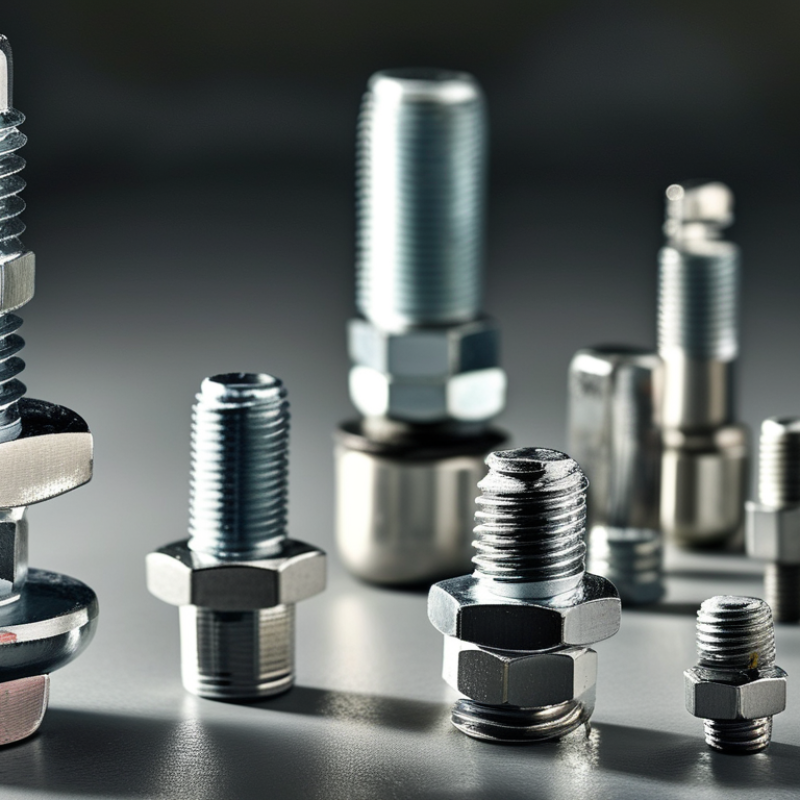
Flange nuts come in various types, making it essential to understand their unique applications. These nuts feature a wide base that distributes loads evenly. This design prevents damage to soft materials, such as plastic or wood. Flange nuts are ideal for situations where a secure, stable connection is required.
Common types include serrated flange nuts and plain flange nuts. Serrated flange nuts have teeth that grip the surface, preventing loosening due to vibration. They work well in automotive and machinery applications. In contrast, plain flange nuts are used in lighter loads where a smooth finish is needed. Their versatility means they can be used in both industrial and home projects.
Selecting the right flange nut involves assessing the project requirements. Not every application may need a serrated design. Sometimes, simpler options work better. If unsure, consult with an expert or conduct tests. Pay attention to the materials involved, as this can impact performance. Small choices can lead to larger issues down the line.
When selecting flange nuts, choosing the right material is crucial. Steel, stainless steel, and bronze offer different properties that suit various applications. Steel is known for its strength and durability. However, it may corrode in harsh environments. Stainless steel provides excellent resistance to rust and corrosion. This makes it ideal for outdoor or marine applications. On the other hand, bronze is both corrosion-resistant and offers a unique aesthetic. It may not be as strong as steel or stainless, but it excels in specific environments.
Tips: Consider the environment where the nuts will be used. If it’s humid, stainless steel is a better choice. Think about the load requirements as well. For heavy loads, steel should be your go-to option.
Evaluate the necessary properties of your project. Ensure the selected flange nut can withstand the demands. A thorough assessment helps prevent costly replacements down the road. Reflect on past projects where material choices caused issues. Learning from those experiences enhances decision-making in future projects.
When selecting flange nuts, size and thread considerations are crucial. The diameter of the nut should match the bolt size. Common sizes include M6, M8, and M10. A mismatch can lead to failures. A study by the Fastener Quality Act shows that improper sizing contributes to 30% of assembly issues. Selecting the correct thread pitch is equally important. In general, fine threads provide better tension, while coarse threads are easier to align.
Flange nuts have a wider surface area, distributing load effectively. This characteristic minimizes the risk of stripping and loosening under vibrations. According to data from the Society of Automotive Engineers, a well-fitted flange nut can reduce loosening by as much as 25%. However, using improper thread types can negate these advantages.
It’s essential to consider the application environment. High-stress environments may demand higher-grade materials. So, while a standard flange nut may suffice, specialized types might be necessary. With countless combinations of sizes and thread types, a thorough review of project specifications is vital. Each selection can impact overall performance and safety.
Selecting the right flange nuts for your project involves understanding load ratings and strength requirements. Each application has unique demands. It's essential to assess the tensile strength of the materials involved. Different flange nuts are rated for various load capacities. Overestimating these needs can lead to failures.
Consider the environment where the flange nuts will be used. Corrosive settings may require more robust materials. Ensure the chosen nuts can withstand potential stress without deforming. Not all flange nuts have the same load capabilities, and that could impact the integrity of your project.
Additionally, compatibility with existing fasteners is critical. Misalignment in load ratings can cause unexpected problems. Regularly review and reflect on your choices. This could lead to better decisions in future projects. Being aware of potential shortcomings enhances your approach to selecting flange nuts.
| Material | Load Rating (lbs) | Strength Level | Diameter (inches) | Finish |
|---|---|---|---|---|
| Steel | 10,000 | Grade 8 | 1/2 | Zinc Plated |
| Stainless Steel | 8,000 | 304 | 3/8 | Passivated |
| Aluminum | 5,000 | 6061-T6 | 1 | Anodized |
| Brass | 6,000 | C36000 | 5/16 | Natural |
When selecting flange nuts for your project, environmental factors play a crucial role. Flange nuts are often used in settings like construction, automotive, and marine industries. Each environment presents unique challenges. For example, exposure to moisture can lead to corrosion. In coastal areas, saltwater can accelerate degradation. Understanding the specific environmental conditions is vital to ensure long-term performance.
Material choice is essential for durability. Stainless steel flange nuts resist rust and maintain strength in humid conditions. However, they may not perform well in extreme heat. Conversely, plastic flange nuts offer lightweight solutions but can warp when exposed to high temperatures. Considering temperature variations is important for selecting the right material.
Testing flange nuts in real-life conditions can reveal unforeseen issues. Sometimes, a nut that appears solid on paper may fail in practice. Continuous monitoring and evaluation are necessary as projects evolve. Flange nut performance is closely tied to the environment. This connection underscores the importance of tailored selection for successful outcomes in various applications.
: Consider material properties, environmental conditions, load requirements, size, and thread type for optimal performance.
Different materials like steel, stainless steel, and bronze offer unique strengths. Each suits specific applications and environments.
Using the wrong diameter can lead to assembly failures, affecting safety and performance significantly.
Exposure to moisture, heat, and saltwater can cause corrosion and degradation, influencing the nut's lifespan.
Stainless steel resists rust and corrosion effectively, making it ideal for wet or coastal conditions.
Fine threads enhance tension, while coarse threads simplify alignment. Choosing the right type is vital for stability.
Reflecting on previous material choices can prevent the same mistakes, improving future decision-making.
Real-life testing helps uncover potential issues that may not be evident in theoretical assessments.
Yes, specialized nuts may be required for high-stress settings, depending on the project's demands.
Yes, practical conditions can reveal weaknesses not indicated in design specifications, necessitating ongoing evaluations.
When selecting the right flange nuts for your project, it is essential to understand the different types available and their specific applications. Flange nuts come in various materials such as steel, stainless steel, and bronze, each offering unique benefits based on the environment and mechanical requirements. Evaluating the size and thread compatibility is crucial for ensuring effective assembly in mechanical applications. Additionally, considering load ratings and strength requirements will help in choosing the right flange nuts that can withstand the expected stresses.
Environmental factors also play a significant role in the performance of flange nuts, as conditions such as humidity, temperature, and exposure to chemicals can affect their longevity and reliability. Therefore, a comprehensive assessment of these factors, combined with the right material and specifications, will lead to successful flange nut selection, ultimately enhancing the durability and performance of your project.

San Biao