Choosing the right flat washers is crucial for any construction or engineering project. According to a report from the Fastener Technology Institute, improper washer selection can lead to 30% of mechanical failures. Flat washers play a vital role in distributing load and increasing surface area, which helps prevent damage to materials.
Expert mechanical engineer John Smith emphasizes, “The right flat washer can make or break the integrity of your assembly.” His insights underline the importance of factors like diameter, thickness, and material type in washer selection. A small oversight can lead to significant structural issues later, reminding us that every detail matters.
In the flat washer industry, focusing on quality and compatibility is essential. Often, cost-saving measures lead to subpar choices. Reflecting on one's selections can reveal past mistakes and drive future success. Striking a balance between cost efficiency and reliability can enhance project outcomes.
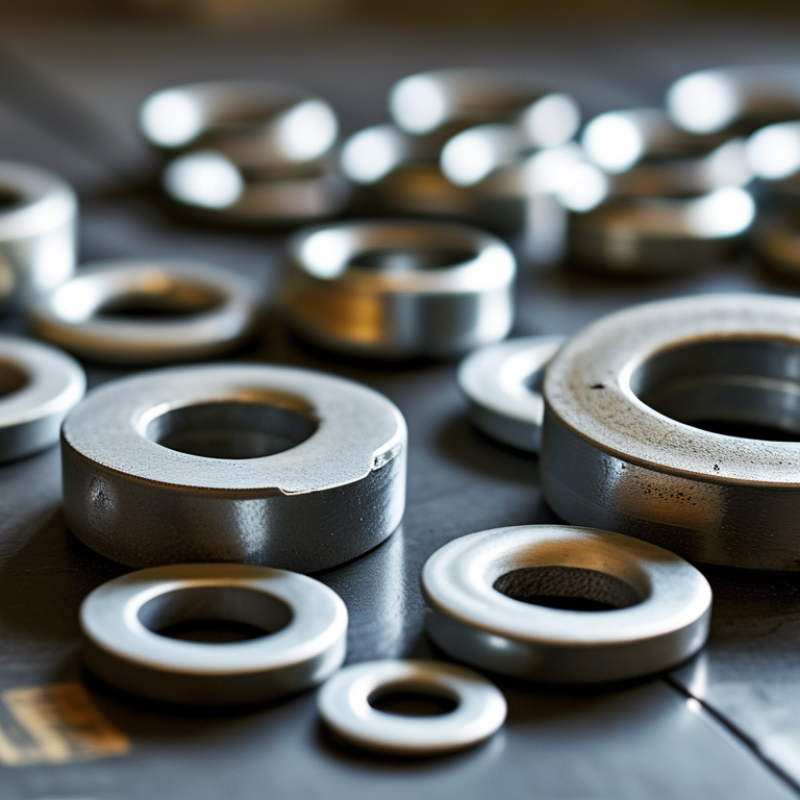
When selecting flat washers for your project, understanding the various types and their applications is crucial. Flat washers are essential components used to distribute load and prevent damage to surfaces. According to industry reports, the demand for flat washers has increased by 15% over the last five years, driven by growth in construction and manufacturing sectors.
There are several types of flat washers. Standard flat washers are the most common, made from materials like steel and stainless steel. These offer versatility for general applications. Belleville washers are designed to give a spring-like effect and are often used in critical load applications. A recent study revealed that using the right type of washer can reduce joint failure rates by up to 30%.
Tips: Always consider the environment where your washer will be used. For outdoor projects, stainless steel or nylon washers can prevent corrosion. Another consideration is the material thickness; thicker washers distribute load better but can be more costly. Remember to assess the specific requirements of your project thoroughly. The wrong choice can lead to costly repairs.
Choosing the right flat washers may seem straightforward, but material selection is critical. Common materials include steel, aluminum, nylon, and more. Each material serves different purposes based on strength, weight, and resistance to corrosion. According to industry data, steel washers handle higher loads than aluminum. However, aluminum is lighter and resistant to oxidation, making it suitable for marine applications.
Nylon washers provide insulation and resistance to chemicals. They are an excellent choice for electronic devices. Data from the International Association of Engineering Professionals indicates that nylon can endure temperature extremes better than metal washers. Each material brings its unique advantages, but it's essential to evaluate the project requirements.
Tip: Consider the environment where the washer will be used. Exposure to moisture may lead to corrosion in steel washers, while aluminum and nylon provide durability.
Reflect on the load requirements for your application. Overestimating a washer's strength can lead to failures. This simple oversight can compromise the entire assembly. Always align material selection with project demands for optimal performance.
Tip: Testing washers in actual conditions before bulk buying can prevent costly mistakes.
| Material | Strength | Corrosion Resistance | Weight | Best Use Case |
|---|---|---|---|---|
| Steel | High | Low (unless galvanized) | Heavy | Construction, Heavy Equipment |
| Aluminum | Medium | High | Lightweight | Aerospace, Automotive |
| Nylon | Low | High | Very Light | Electrical Insulation, Automotive |
| Brass | Medium | Medium | Lightweight | Plumbing, Electrical |
| Copper | Medium | Low | Lightweight | Electrical Applications |
Choosing the right flat washers can significantly impact your project's success. The diameter and thickness of the washers are critical specifications to consider. Understanding how these dimensions affect load distribution is essential. According to industry data, using an incorrect size can lead to structural failure. A washer that is too thin may not adequately support the fastener. This could cause loosening over time.
When determining size specifications, consider the application requirements. For instance, a washer with a larger diameter distributes the load over a wider area. This can reduce the chances of damage to the surface material. Conversely, too large a washer can create challenges in tight spaces. A detailed report from the American Welding Society highlights that the most common thickness for standard applications ranges from 0.036 inches to 0.125 inches. However, different projects may demand varied specifications.
It's important to measure both the fastener size and the installation surface. Flat washers should fit snugly without being overly tight. This balance can be tricky. Engineers recommend re-evaluating your choices if the initial fit doesn’t meet expectations. You might find that slight adjustments improve performance significantly. Always keep in mind that the right fit can enhance durability and efficiency in your project.
When selecting flat washers, analyzing load distribution is crucial. Load distribution directly affects how well a washer can perform under pressure. According to a report by the American National Standards Institute, improperly sized washers can lead to uneven weight distribution, resulting in material failure.
Flat washers are designed to spread the load of a fastener. If the load is concentrated too much on a small area, the washer may fail. Engineers have found that a washer's diameter should be at least three times greater than the bolt's diameter for optimal performance. This ratio helps ensure that stress is well-distributed across the surface.
Material choice also plays a role. Stainless steel washers offer better corrosion resistance, but they can be more brittle than softer materials. Using softer materials like nylon can lessen the risk of cracking under stress. However, softer washers may deform over time under heavy loads. It’s essential to balance material properties with load requirements for optimal results. Reflecting on past projects can shed light on better practices.
When selecting flat washers, it’s crucial to assess environmental factors such as corrosion resistance and temperature effects. Corrosion can significantly weaken the integrity of fasteners. According to a report by the Corrosion Probe, nearly 30% of all failures in industrial equipment relate to corrosion. Understanding the materials that resist rust can save time and costs in the long run.
Temperature plays a vital role too. Certain materials may handle heat better than others. For instance, stainless steel washers are known to withstand elevated temperatures without losing structural integrity. A study from the American Society of Materials found that at high temperatures, some metals lose their hardness, which can lead to failure in applications involving extreme heat.
Tips: Choose materials that meet specific environmental conditions. Not all washers suit every situation. Conduct thorough testing before finalizing decisions. If working in a coastal region, consider using marine-grade materials. Being mindful of these factors can prevent costly repairs down the line.
: Different materials like steel, aluminum, and nylon have unique strengths. Choosing the right one affects performance and durability.
Aluminum washers are lightweight and resistant to oxidation. They are suitable for applications exposed to moisture, like marine environments.
Nylon washers provide excellent insulation and chemical resistance. They can endure extreme temperatures better than their metal counterparts.
Diameter and thickness are critical. An incorrectly sized washer can compromise load distribution and cause structural failure.
Thin washers may not support the fastener properly, leading to loosening over time and potential assembly failure.
Testing washers in actual conditions before bulk buying is crucial. This practice can help identify any potential issues early on.
Proper load distribution ensures washers perform well. Concentrated loads can lead to material failure and compromise the assembly.
A washer's diameter should be at least three times greater than the bolt's diameter for optimal load distribution and performance.
Learning from previous experiences can highlight best practices and avoid repeating mistakes in material and size selection.
Re-evaluate your choices and consider slight adjustments. Finding the right fit can significantly improve project performance.
Choosing the right flat washers for your project involves understanding their various types and uses. Flat washers come in different materials such as steel, aluminum, and nylon, each offering distinct advantages based on your specific needs. Evaluating size specifications, including diameter and thickness, is crucial to ensure optimal performance in load distribution, which can significantly affect the durability and effectiveness of your assembly.
Additionally, considering environmental factors such as corrosion resistance and temperature effects is essential when selecting flat washers. These characteristics influence not only their lifespan but also their ability to maintain integrity under specific conditions. By carefully assessing these aspects, you can make an informed decision and ensure that the flat washers you choose will provide reliable and lasting support for your projects.

San Biao