How to Choose the Right Flat Washers for Your Projects?

Time:2026-05-28 Author:Isabella
0%

Choosing the right flat washers for your projects can greatly impact their overall success. Flat washers are essential components in various applications. They help distribute loads, reduce friction, and prevent damage to surfaces. Understanding their types and materials is crucial for making informed decisions.

When selecting flat washers, consider their size and shape. The right dimensions ensure a proper fit and functionality. It’s important to evaluate the materials, as they affect durability and resistance to corrosion. You may find it tempting to pick washers based solely on appearance. However, overlooking the technical specifications can lead to future issues.

Moreover, matching flat washers to your project’s specific needs is vital. Don't hesitate to seek advice from suppliers or professionals. They provide valuable insights that can guide your selection process. Reflecting on your choices helps you learn and improve. Making mistakes is part of growth, so take the time to reevaluate your decisions in future projects.
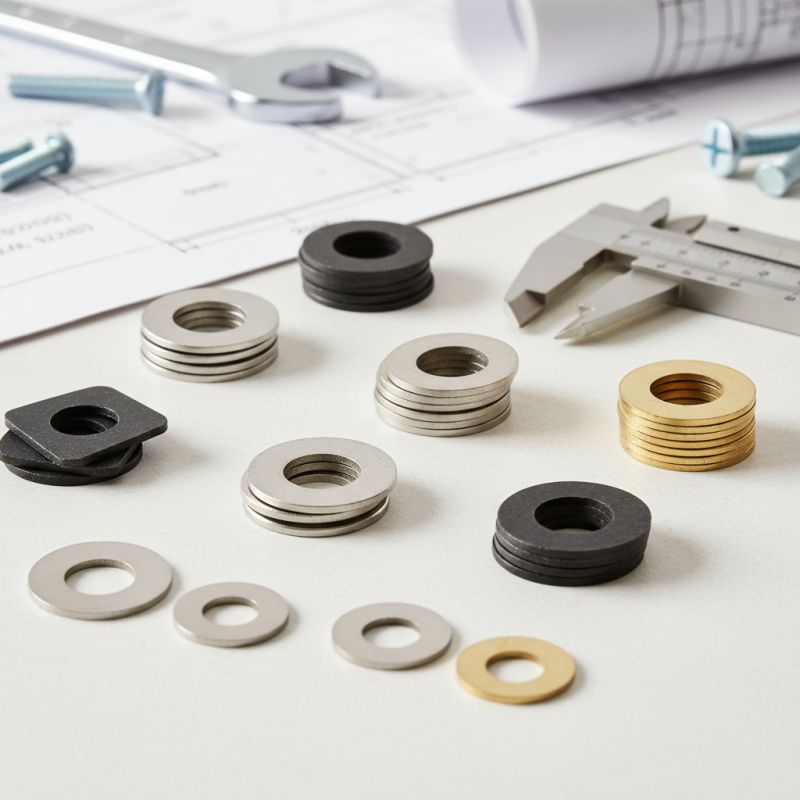
How to Choose the Right Flat Washers for Your Projects?

Understanding Flat Washers: Types and Materials

When selecting flat washers, understanding their types and materials is essential. Flat washers serve various purposes, including load distribution and stress reduction. The two primary materials used are steel and plastic. Steel washers are durable and corrosion-resistant, while plastic varieties offer insulation against electricity and chemicals. According to industry studies, steel washers represent about 70% of the market due to their strength.

Material choice often depends on specific project demands. For example, galvanized steel washers are popular in construction for their rust resistance. However, they may not be suitable in high-humidity environments. On the other hand, nylon washers are lightweight and resistant to moisture but cannot handle heavy loads. Often, engineers face challenges when selecting the right type for unique conditions.

Common mistakes include oversizing or undersizing washers. An oversized washer may not provide proper load distribution, while an undersized one can lead to mechanical failure. It’s crucial to consider the application’s requirements. Consulting technical data, such as load ratings and material properties, can minimize errors. Understanding these details can make a significant difference in project outcomes.

Key Factors to Consider When Selecting Flat Washers

When selecting flat washers for your projects, several factors are essential to consider. The material of the washer plays a crucial role. Common materials include steel, stainless steel, and plastic. Each has unique properties, impacting durability and resistance to corrosion. For heavy-duty applications, stainless steel is often preferred.

Another critical aspect is the washer's size and thickness. They should match the bolt or screw specifications. An improper fit can lead to failures. Ensure that you measure both the inside and outside diameters for accuracy. Additionally, consider the desired load distribution. Wider washers can spread the load more effectively.

Tips: Always keep a variety of washer sizes on hand. This can save time during assembly and repairs. Pay attention to the washer's surface finish as well. A rough surface can increase friction, while a smooth finish allows for easier installation.

When it comes to applications, reflect on the environment. Will the washers be exposed to moisture or chemicals? This decision impacts your material choice significantly. If you're uncertain, consult with experts or refer to reliable sources for guidance. This approach ensures you select the right flat washers for your needs.

Flat Washers Selection Factors

Compatibility with Fasteners: Size and Thickness Considerations

Choosing the right flat washers is crucial for ensuring the proper fit and function in any project. Compatibility with fasteners is a key factor, particularly regarding size and thickness. Flat washers are designed to distribute loads and prevent damage to surfaces. According to industry reports, washers typically need to match the bolt diameter for optimal performance.

When selecting flat washers, consider the hole diameter and fastener specifications. The washer should be slightly larger than the bolt head. This ensures a secure fit. For example, a standard M10 bolt usually pairs well with a washer that has a hole diameter of 10.5 mm. Thickness also plays a significant role; a thicker washer may provide better load distribution but can lead to clearance issues in tight spaces.

Many users overlook the material of the washers. Steel washers may not be suitable for corrosive environments. In contrast, nylon or stainless steel can offer better resistance. Additionally, it’s essential to reflect on load ratings. An undersized washer may lead to failure, which can compromise the integrity of the entire assembly. Therefore, carefully assessing size and thickness against project demands is imperative for success.

How to Choose the Right Flat Washers for Your Projects? - Compatibility with Fasteners: Size and Thickness Considerations

Washer Size (Diameter) Thickness Recommended Screw Size Material Type Typical Applications
1/4 inch 0.032 inch #10 - #12 Steel Automotive, machinery
3/8 inch 0.040 inch #12 - 1/4 Stainless Steel Construction, HVAC
1/2 inch 0.050 inch 1/4 - 5/16 Aluminum Lightweight applications, automotive
5/8 inch 0.065 inch 5/16 - 3/8 Plastic Electrical, plumbing
3/4 inch 0.075 inch 3/8 - 7/16 Brass Marine, decorative applications

Applications of Flat Washers in Various Projects

Flat washers are essential components in various projects, providing stability and reducing wear. They distribute loads over a larger area, protecting surfaces and ensuring a secure fit. In construction, flat washers stabilize bolts and screws. They prevent loosening and help maintain structural integrity. This is especially important in load-bearing applications.

In automotive projects, flat washers play a crucial role. They serve as spacers, ensuring even pressure across components. Without the right washer, parts can wear unevenly. In electronics, they help secure circuit boards and connections. A poor choice of washer can lead to electrical failures.

Selecting the appropriate washer is not always straightforward. Different materials and sizes are available, and understanding application requirements is crucial. Factors like corrosion resistance and load-bearing capacity are vital. Many make the mistake of choosing washers based solely on appearance. This can lead to project failures and safety risks. Always double-check specifications before finalizing your selection.

Best Practices for Installation and Maintenance of Washers

When it comes to installing flat washers, proper techniques can significantly enhance their effectiveness. Ensure the surface you’re working on is clean and dry. Dirt or rust can compromise the washer's grip, leading to premature failure. Also, consider the material of the washer. Stainless steel, for example, offers excellent corrosion resistance, which is beneficial for outdoor projects.

Tips for installation: Always use an appropriate size washer for the fastener. If the washer is too small, it won’t distribute load effectively. If too large, it can create an uneven surface. Pay attention to the installation torque. Over-tightening might warp the washer or damage connected materials, while under-tightening can lead to loosening over time.

Regular maintenance is equally essential. Inspect washers periodically for any signs of wear and tear. Replace any that show signs of rust or deformation. Remember that even high-quality washers can fail if neglected. Be proactive and monitor their condition to extend the lifespan of your projects. This habit not only saves time but also enhances safety.

FAQS

: What factors should I consider when selecting flat washers?

: Consider size, thickness, and material. Ensure the washer matches the bolt diameter for optimal fit.

Why is washer thickness important?

Thickness affects load distribution. A thicker washer can provide better support but may cause clearance issues.

What materials are best for washers in different environments?

Steel may not work in corrosive settings. Nylon or stainless steel could be more suitable for resistance.

How can the wrong washer choice impact a project?

Incorrect washers can lead to failures. This compromises assembly integrity and may cause safety risks.

What are common applications for flat washers?

They stabilize bolts in construction, serve as spacers in automotive work, and secure connections in electronics.

What installation tips should I follow?

Keep surfaces clean and use appropriately sized washers. Monitor torque to avoid warping or loosening.

How often should I inspect washers?

Inspect them periodically for wear. Replace washers showing rust or deformation to maintain project integrity.

Can neglecting washer maintenance lead to issues?

Yes, even quality washers can fail if ignored. Regular checks extend their lifespan and enhance safety.

What mistakes should be avoided when choosing washers?

Don't base your choice solely on appearance. Always double-check specifications to prevent project failures.

Conclusion

When selecting the right flat washers for your projects, it's essential to understand the various types and materials available. Flat washers play a crucial role in distributing load and preventing damage to the surfaces they are fastened to. Key factors to consider include the compatibility with fasteners, such as size and thickness, as well as the specific application requirements across different projects.

Additionally, employing best practices for installation and maintenance can maximize the effectiveness of flat washers. Proper installation techniques and regular inspections ensure that the washers perform optimally, enhancing the integrity of your assemblies. By considering these aspects, you can make informed decisions and achieve successful outcomes in your projects.


Isabella

Isabella

Isabella is a dedicated marketing professional with a sharp focus on driving brand growth and engagement through strategic content creation. With an extensive background in digital marketing, she combines her passion for storytelling with her keen understanding of industry trends to deliver......