Choosing the right Steel Structure Bolts is crucial for any construction project. According to industry expert Dr. Emily Chen, "The integrity of a structure hinges on the quality of its bolts." Selecting appropriate bolts ensures safety and durability in steel frameworks.
In today’s construction environment, many overlook the importance of these components. Steel Structure Bolts come in various grades and sizes, impacting their performance. Attention to detail is essential when assessing tensile strength, corrosion resistance, and load-bearing capacity. These factors directly influence the project's overall success.
Moreover, mistakes in bolt selection can lead to costly repairs and safety concerns. Conducting thorough research and consulting with professionals can mitigate these risks. Understanding the specific requirements of your project will guide you in making informed decisions. The right choice in Steel Structure Bolts fosters reliability and longevity in your construction endeavors.
Understanding Different Types of Steel Structure Bolts
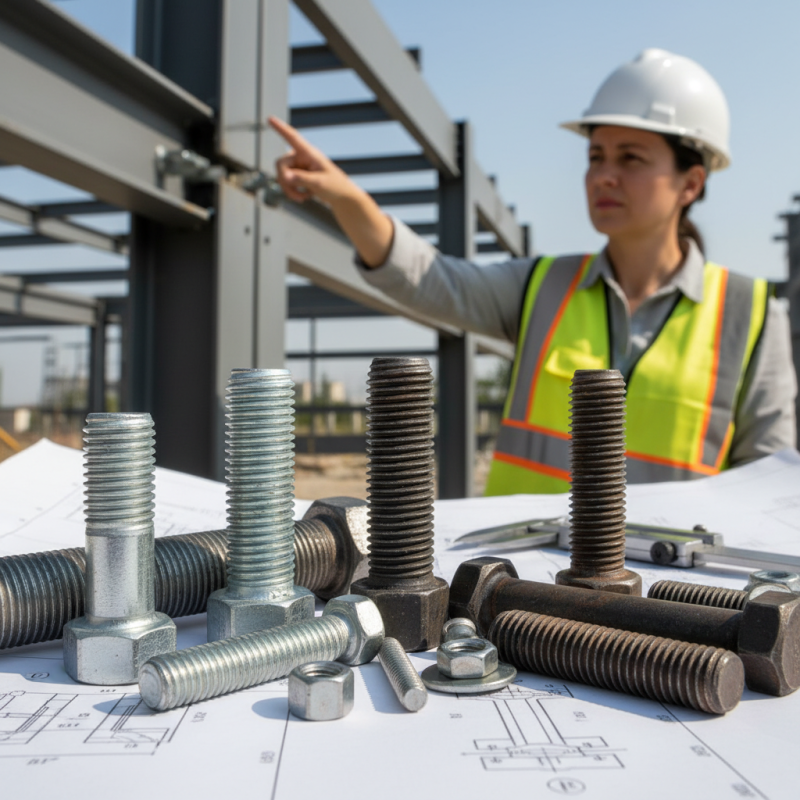
When selecting steel structure bolts, understanding the various types available is crucial. Different projects demand different specifications. Common types include hex bolts, carriage bolts, and anchor bolts. Each serves a distinct purpose and has unique properties, which can affect the integrity of your project.
Hex bolts, known for their strength, are often used in heavy-duty applications. Carriage bolts, with a smooth, rounded head, are ideal for wooden structures, providing a secure fastening without damaging the surface. Anchor bolts, on the other hand, are essential for securing structures to a concrete foundation. Their composition and shape can dictate load capacity and resistance to environmental stressors.
It is important to consider the environment where these bolts will be used. Corrosion resistance is vital for outdoor projects. Additionally, the bolt’s size and grade must match the specific loads they will bear. An oversight here can lead to structural failure. Always verify specifications and consult with a structural engineer when in doubt. The right choice can enhance safety and longevity, while the wrong one can be costly and risky.
Key Factors to Consider When Selecting Steel Structure Bolts
When selecting steel structure bolts for your project, several key factors should guide your decision. Start with the bolt's grade. Higher grades indicate stronger performance. Look for specifications that align with the structural demands of your project. Ensure that the bolts can withstand stress and environmental conditions.
Another critical factor is the bolt size. It must fit precisely within the connections. Mismatched sizes can lead to structural issues. Consider the load requirements when choosing diameter and length.
Next, examine the coating of the bolts. Corrosion resistance is crucial, especially in harsh environments. An appropriate coating enhances durability and lifespan.
Lastly, think about the installation process. Some bolts require specific tools for proper placement. This aspect can impact project timelines and labor costs. Assess the skill level of your team as well. Training might be necessary for optimal installation. Reflecting on these factors can help avoid setbacks and ensure project success.
Assessing the Load Requirements for Your Project
When working on any project that involves steel structures, understanding load requirements is essential. Load refers to the weight that a structure bears, and it can vary significantly. For example, a bridge may need to withstand the weight of vehicles, while a building must support both occupancy and equipment loads. These factors must be assessed clearly before selecting the appropriate bolts.
Choosing the right steel structure bolts hinges on these load assessments. Analyze static loads, which do not change, as well as dynamic loads that fluctuate, like wind and seismic activity. This assessment not only helps determine the size and grade of the bolts but also impacts their tensile and shear strength. It’s crucial not to overlook these details. An oversight could lead to structural failure or safety hazards.
A common mistake is underestimating the load requirements due to lack of experience. It can be tempting to choose lower-grade bolts to save costs. However, using inadequate materials can lead to catastrophic consequences. Rely on engineering expertise and thorough load evaluations. Always consult a professional when in doubt about load specifics. This precision is vital for the success of any steel structure project.
Material Specifications and Coatings for Durability
When selecting steel structure bolts, the material specifications and coatings are critical for ensuring durability. Steel bolts are often categorized into different grades, such as ASTM A325 and A490, which denote tensile strength levels. According to research by the American Institute of Steel Construction (AISC), bolts meeting these specifications can achieve yield strengths of up to 150 ksi. Choosing the right grade impacts not only the load-bearing capacity but also the resilience against environmental factors.
Coatings play a significant role in prolonging the lifespan of steel bolts. Common options include zinc plating and hot-dip galvanizing. A study from the National Association of Corrosion Engineers indicated that hot-dip galvanized bolts can last two to three times longer than their uncoated counterparts in harsh environments. However, not all coatings are created equal. Corrosion resistance varies based on environmental exposure and bolt application. For instance, some coatings may not withstand high temperatures or aggressive chemicals, raising concerns about their long-term reliability.
While it is tempting to select bolts based on lower costs, the implications of material choice and coating type can significantly affect project outcomes. Engineers often face challenges in balancing performance, cost, and availability. Therefore, it's essential to assess each project’s specific demands and potential risks associated with material failure. Understanding these nuances can lead to more informed decisions in the selection of steel structure bolts.
How to Choose the Right Steel Structure Bolts for Your Project? - Material Specifications and Coatings for Durability
| Bolt Type |
Material |
Coating Type |
Corrosion Resistance |
Tensile Strength (MPa) |
Typical Applications |
| Hex Head Bolt |
Carbon Steel |
Zinc Plated |
Moderate |
400 |
Construction, Machinery |
| Countersunk Bolt |
Alloy Steel |
Galvanized |
High |
600 |
Aerospace, Automotive |
| Eye Bolt |
Stainless Steel |
Passivated |
Very High |
800 |
Marine, Lifting |
| Socket Head Cap Screw |
Carbon Steel |
Black Oxide |
Moderate |
900 |
Machinery, Industrial |
| Lag Bolt |
Low Carbon Steel |
Zinc Coated |
Low |
300 |
Wood Construction |
Best Practices for Installation and Maintenance of Steel Bolts
The installation of steel structure bolts plays a critical role in ensuring the integrity of construction projects. Proper practices can significantly enhance safety and performance. For example, pre-tensioning bolts can lead to a more secure connection. Studies show that pre-tensioned bolts can withstand higher loads compared to non-pre-tensioned ones. Engineers also recommend using the right torque settings. This can vary based on the bolt size and material type.
Maintenance is equally crucial. Regular inspections should be scheduled to identify wear or corrosion. The American Institute of Steel Construction (AISC) states that nearly 35% of structural failures are due to corrosion of bolts. Therefore, using protective coatings can prolong the lifespan of bolts. It’s essential to select the right coating based on the environment. It’s important to reflect on your choices. Sometimes, overlooked factors, such as moisture levels, can impact bolt performance.
Training workers on best practices is vital, too. Even with premium materials, poor installation can lead to unsafe situations. Consider providing ongoing education about advancements in bolt technology. This ensures teams are aware of current industry standards. Regular feedback loops can improve installation techniques. Doing so cultivates a culture of safety and quality.
Conclusion
Choosing the right steel structure bolts for your project is crucial for ensuring structural integrity and safety. Understanding the various types of steel structure bolts available and the specific load requirements of your project is essential. Key factors to consider include the material specifications and coatings that enhance durability, as well as the environmental conditions the bolts will be exposed to.
Additionally, adhering to best practices for the installation and maintenance of steel structure bolts can significantly impact their performance and longevity. Proper selection and care of these bolts not only optimize the strength of the structure but also contribute to cost-efficiency and safety throughout the lifespan of the project.

 San Biao