How to Choose the Right Hexagon Nuts for Your Project?

Time:2026-06-27 Author:Madeline
0%

Choosing the right hexagon nuts for your project is crucial. A good nut secures the assembly and distributes loads effectively. With a variety of materials, grades, and sizes available, it can be overwhelming.

Take the time to understand your project needs. Consider factors like material compatibility and application requirements. Hexagon nuts come in different finishes, which also impact performance. Rust resistance is vital for outdoor applications. Pay attention to these details to avoid future issues.

Remember that not all hexagon nuts are created equal. Quality varies among manufacturers. It’s essential to source from reputable suppliers. Trust is built through consistent performance and reliability. Sometimes, you may overlook a minor detail that could lead to bigger problems later on. Reflect on your choices and the implications they carry.
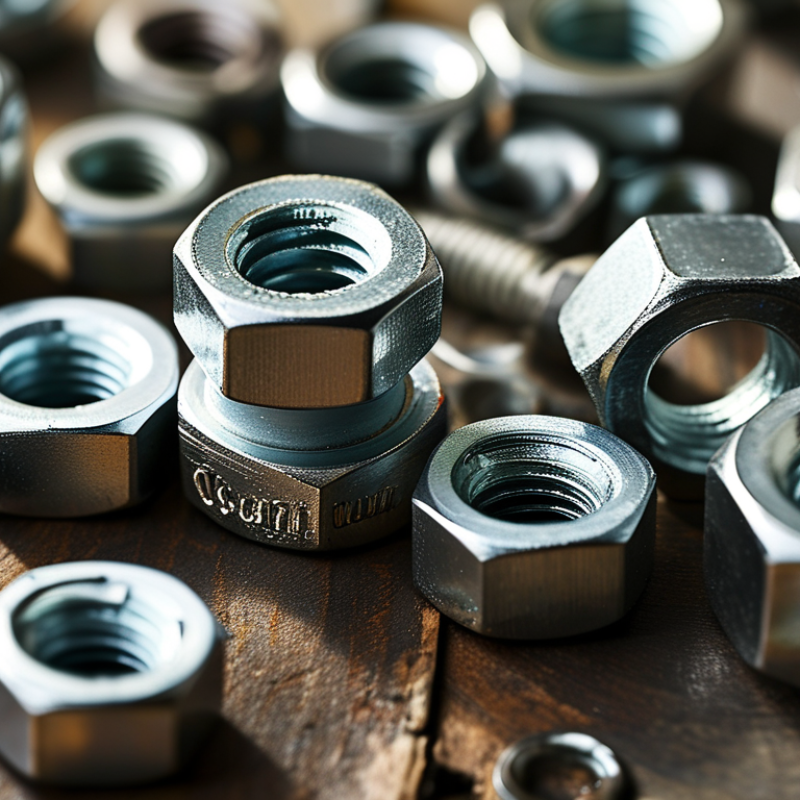
How to Choose the Right Hexagon Nuts for Your Project?

Understanding Hexagon Nuts: Types and Materials

Hexagon nuts are essential components in various projects. Understanding the different types can enhance your choices. Standard hexagon nuts are common; they suit many applications. They come in varying sizes and materials. This makes them versatile in different environments.

Materials also play a critical role. Steel hexagon nuts are strong and durable, making them ideal for heavy machinery. Stainless steel options resist corrosion, perfect for outdoor use. Nylon hexagon nuts offer lightweight and non-conductive advantages. However, they may not withstand heavy loads.

Consider your project requirements carefully. Reflect on the environment and load bearing needs. Not every nut fits every situation. Testing a few options may reveal unexpected results. Always prioritize quality materials for safety and longevity.

Key Factors to Consider When Choosing Hexagon Nuts

When selecting hexagon nuts for your project, consider several key factors. The selection of material is critical. Common materials include carbon steel, stainless steel, and nylon. Stainless steel offers high corrosion resistance, making it ideal for outdoor applications. Data from the International Journal of Advanced Manufacturing Technology suggests that using quality materials can enhance the durability of fasteners by up to 50%.

Thread pitch is another essential factor. Metric and imperial threads are common, and the wrong pitch can lead to failures in load-bearing. According to a report by the Fastener Quality Act, improper threading caused 22% of fastener failures in industrial applications. Ensuring compatibility with your bolts is vital in avoiding such issues.

Pay attention to the nut size as well. Oversized or undersized nuts can compromise performance and safety. The American Society of Mechanical Engineers (ASME) emphasizes that proper sizing is necessary for achieving optimal torque and load distribution. Even small discrepancies can lead to significant drawbacks. Always refer to detailed specifications when selecting hexagon nuts for reliable performance in your projects.

Determining the Right Size and Thread Type for Your Project

Choosing the right hexagon nuts involves careful consideration of size and thread type. The size of the nut must match the bolt it will be paired with. A mismatch can lead to connections that are either loose or overly tight. Measure your bolts accurately before selection. Using a caliper is a reliable way to get precise measurements.

The thread type is equally crucial. Common thread types include coarse and fine. Coarse threads offer quicker assembly, while fine threads provide better grip under high loads. Understand the requirements of your project to determine the best choice. Sometimes, it may be necessary to test both thread types in your application. Keep in mind that not all materials work well with every thread design.

It's easy to overlook these details. Many jump into buying nuts without considering how size and thread type affect performance. A lack of attention can compromise the integrity of the entire assembly. Research and experiment with different combinations whenever possible. Small details matter in fastening components securely.

Applications of Hexagon Nuts in Various Industries

Hexagon nuts are essential components in many industries. They provide load distribution in mechanical assemblies. Construction, automotive, and aerospace sectors use them extensively. These nuts ensure structural integrity in various applications. In the construction industry, hexagon nuts secure beams and frames. They help maintain stability in buildings and bridges.

In the automotive world, hexagon nuts are crucial for engine assembly. They hold various parts together, such as the chassis and suspension. A failure in this area can lead to severe consequences. Workers should choose the right material and size for their needs. In aerospace, these nuts need to withstand extreme conditions. They must resist corrosion and high pressure in flight.

Selecting the right hexagon nut can be challenging. Projects often require specific materials and thread types. Engineers must balance strength with weight. Sometimes, the best choice isn't the obvious one. It can be easy to overlook minor details, such as threading. These small aspects can significantly impact performance. An informed choice is vital to the success of any project.

Best Practices for Installation and Maintenance of Hexagon Nuts

When installing hexagon nuts, proper procedures are vital for a secure fit. Start by selecting the right size nut for your bolt. Measure the diameter accurately. A snug fit prevents loosening over time. Clean the threads of the bolt before installation. Any debris can lead to improper fastening. Align the nut with the bolt correctly. This helps in avoiding cross-threading.

During the installation, apply the right torque. Too much can damage both the nut and bolt. A torque wrench is an excellent tool for this task. It ensures you're not over-tightening. Remember, some materials may require specific torque settings. Always refer to guidelines if unsure.

Regular maintenance is crucial after installation. Check for any signs of rust or wear. Hexagon nuts can corrode over time, especially in harsh environments. If damage is found, replace them immediately. Periodic checks will enhance the longevity of your project. Don't ignore minor issues; they may escalate into bigger problems later. Stay proactive to ensure everything remains in place and secure.

Hexagon Nuts Selection and Maintenance Overview

This chart illustrates the importance levels of different factors to consider when choosing hexagon nuts for a project. The factors assessed include Material Type, Thread Size, Finish, Load Rating, and Geometry, with ratings on a scale from 1 to 5.

FAQS

: What are hexagon nuts used for?

: Hexagon nuts are essential components in various projects, enhancing connections in machinery and structures.

How do material choices impact hexagon nuts?

Materials like steel, stainless steel, and nylon offer different strengths and resistances. Choose based on your project environment.

Why is size important when selecting hexagon nuts?

The nut size must match the bolt size to ensure a secure connection. A mismatch can lead to loose or tight fittings.

What should I consider regarding thread types?

Common thread types are coarse and fine. Coarse threads allow quicker assembly, while fine threads provide better grip under load.

What are the best practices for installing hexagon nuts?

Measure the bolt, clean the threads, align correctly, and use the right torque to avoid damage during installation.

How often should I maintain hexagon nuts?

Regular maintenance is crucial. Periodically check for rust or wear, and replace damaged nuts promptly to ensure safety.

Can I use nylon hexagon nuts in heavy applications?

Nylon nuts are lightweight and non-conductive. However, they may not resist heavy loads effectively, so choose wisely.

What tools can help in measuring bolts accurately?

A caliper is a reliable tool for getting precise measurements of bolt diameters before choosing nuts.

How can I prevent issues with hexagon nuts?

Pay attention to details like size and thread type. Small mistakes can compromise the entire assembly's integrity.

Why is cleaning the bolt threads important?

Cleaning ensures proper fastening. Debris can lead to loose connections and may affect the overall stability of the project.

Conclusion

When choosing the right hexagon nuts for your project, it is essential to understand the various types and materials available, as these factors significantly impact performance and durability. Key considerations include load requirements, environmental conditions, and compatibility with other fasteners. Additionally, determining the correct size and thread type is crucial for ensuring a secure fit.

Hexagon nuts find applications across diverse industries, from construction to automotive, showcasing their versatility and importance in fastening solutions. To ensure optimal performance, it is vital to adhere to best practices for installation and maintenance, which can enhance the longevity and reliability of hexagon nuts in various applications. By carefully evaluating these aspects, you can select the most suitable hexagon nuts for your specific needs.


Madeline

Madeline

Madeline is a dedicated marketing professional with a wealth of expertise in our company's core offerings. With a keen understanding of the industry, she brings a unique perspective to her role, consistently delivering high-quality content that highlights the superior aspects of our products. As......