Choosing the right Inside Hexagonal Bolt for your project is crucial for ensuring structural integrity and performance. According to the American Institute of Steel Construction, improper bolt selection can lead to a 30% increase in the likelihood of joint failure. Selecting the appropriate bolt affects not only safety but also cost efficiency. With the diverse range of materials and strength ratings available, making the best choice becomes essential.
Inside Hexagonal Bolts come in various designs and specifications. Understanding these differences can save time and resources. The Engineers’ Society reports that 25% of projects face delays due to incorrect component selection. Designers and engineers must be aware of load requirements, material compatibility, and environmental factors before finalizing their choice.
While the variety is beneficial, it can also lead to confusion. Many overlook critical details such as thread pitch and finish type. A bolt that isn’t optimized for its application can compromise both safety and performance. Discussions with suppliers can provide valuable insights, but one must always validate the data. Bolts are not just fasteners; they are the backbone of engineered systems. Proper selection pays off in the long run.
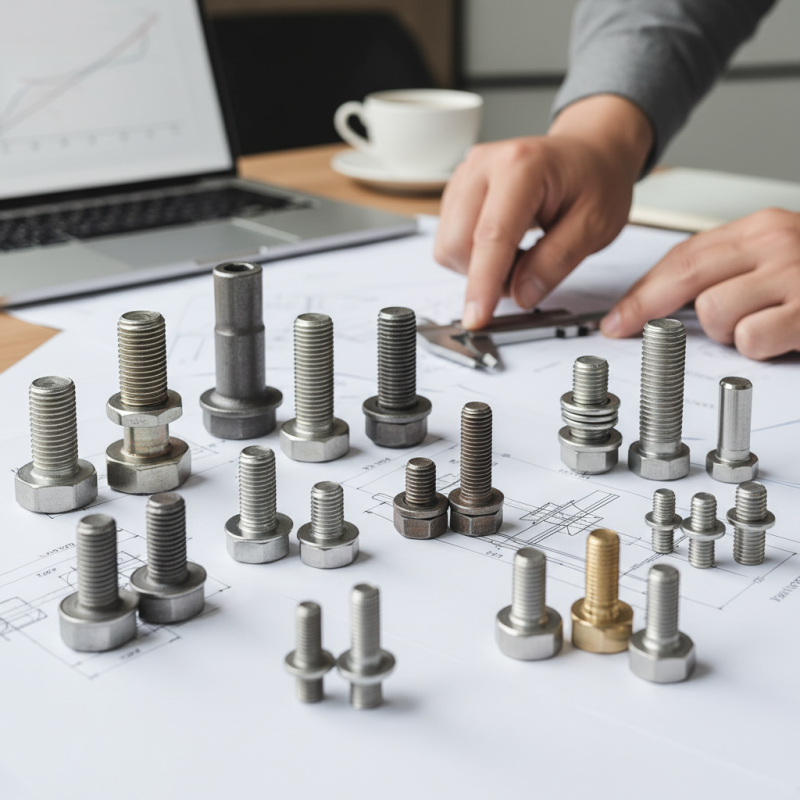
Inside hexagonal bolts are crucial fasteners used in many industries. Understanding their specifications is vital for successful applications. These bolts often have a head shaped like a hexagon, allowing for efficient torque application. They are made from various materials, including steel and stainless steel, depending on the project's requirements.
Applications of inside hexagonal bolts can be found in construction, automotive, and machinery. According to industry reports, around 30% of mechanical failures are linked to improper fastening. This statistic highlights the importance of selecting the right bolt for each specific need. The correct bolt ensures safety and longevity in any assembly. Various grades are available, each serving different load capacities and environments.
It’s common to underestimate the impact of poor quality bolts. Choosing the wrong size can lead to project delays. Additionally, factors such as the environment and load pressure must be considered. Conducting a thorough analysis is essential, yet many skip this step. The fear of failing to meet industry standards weighs heavily on many engineers. Yet, understanding the specifications can make all the difference.
| Property | Details |
|---|---|
| Material | Steel, Stainless Steel, Alloy Steel |
| Size Range | M3 to M30 (Metric), 1/8" to 1-1/4" (Imperial) |
| Grade | Grade 8.8, Grade 10.9, Grade 12.9 |
| Coating Options | Zinc Plated, Black Oxide, Hot-Dip Galvanized |
| Head Type | Hex, Socket Hexagon |
| Applications | Machinery, Automotive, Construction, Furniture Assembly |
| Torque Specifications | Varies by size and grade |
| Standards Compliance | ISO, DIN, ASTM |
: Common materials include stainless steel, carbon steel, and alloy steel. Each offers unique properties.
The right material affects durability and performance. Misselection may cause rust or structural failure.
The main ratings are Grade 2, Grade 5, and Grade 8, each suitable for different load capacities.
Use tools like torque wrenches. Over-tightening can break bolts or strip threads.
Choosing the wrong size can lead to structural issues. Always measure accurately before buying bolts.
Environmental factors can cause rust and failures. Thread sealant can help mitigate these risks.
No, not all bolts are identical. Each has unique specifications that affect fit and performance.
Consult with experts to ensure you select the right bolts for your project. It’s safer.
Gloves and goggles are essential. They protect against injuries while using tools.
Educate yourself about bolt specifications and application requirements for better outcomes.
When embarking on a project that requires the use of an Inside Hexagonal Bolt, understanding their unique characteristics and applications is crucial. These bolts are typically employed in various mechanical assemblies where compact, reliable fastening is essential. To select the right Inside Hexagonal Bolt, one must consider key factors such as size, thread type, and load capacities. Furthermore, the material of the bolt plays a significant role in its strength and durability, with options ranging from stainless steel to carbon steel, each suited for different environments and applications.
Equipping oneself with essential tools for installation is also important to ensure a secure fit. Common mistakes, such as underestimating bolt material specifications or overlooking compatibility with existing components, can lead to failures and safety issues. By being mindful of these considerations, you can effectively choose the appropriate Inside Hexagonal Bolt for your project, ensuring both performance and stability.

 San Biao