Hot Dip Galvanized Nuts are crucial in various industries for their exceptional corrosion resistance. According to industry reports, the global market for galvanized fasteners is projected to grow at a CAGR of 4.5% from 2021 to 2026. These nuts are coated with a layer of zinc, which significantly extends their lifespan in harsh environments.
In construction and manufacturing, using Hot Dip Galvanized Nuts can result in enhanced durability and reduced maintenance costs. Studies reveal that structures utilizing galvanized nuts last up to 40% longer than those with untreated fasteners. However, improper installation can lead to structural weaknesses and safety risks. It’s essential to prioritize correct application and selection based on specific project needs.
Despite their advantages, there are concerns regarding the environmental impact of galvanization processes. Some practices can release harmful byproducts. Professionals need to adopt sustainable methods and stay updated with regulations. Overall, understanding how to use Hot Dip Galvanized Nuts effectively requires both technical knowledge and a commitment to best practices.
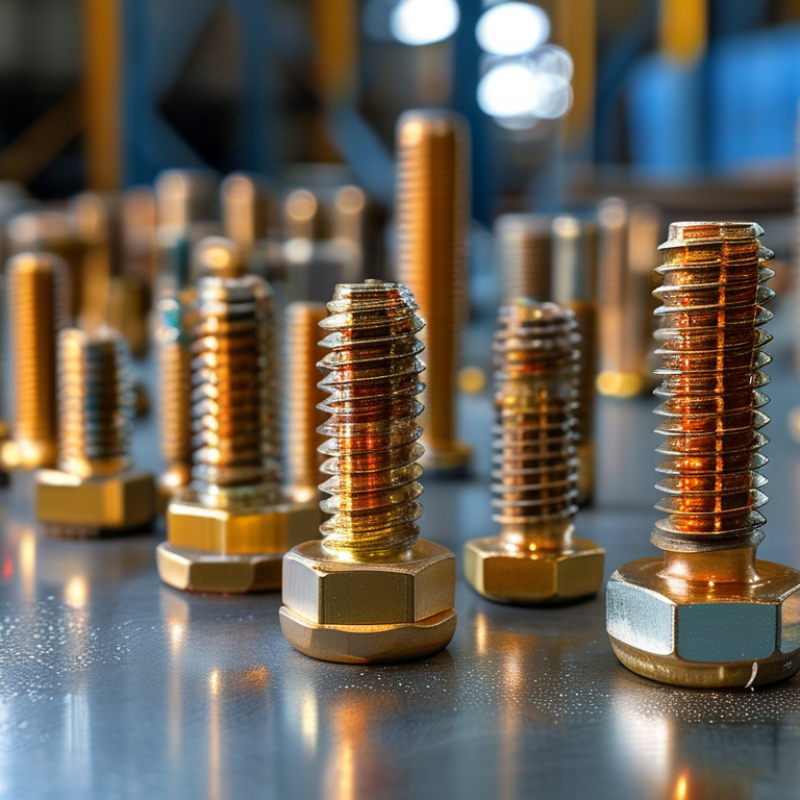
Hot dip galvanized nuts are essential in construction and manufacturing. These nuts undergo a treatment process that involves coating in molten zinc. This layer enhances their corrosion resistance significantly. They provide durability against harsh outdoor conditions. This makes them ideal for various applications, especially in structural settings.
When using hot dip galvanized nuts, it's crucial to ensure proper compatibility with bolts. Not all nuts fit every type of bolt. Misfit can lead to weak connections and structural failures. Visual inspections are key before usage. Look for any damage on both the nuts and bolts. Surface irregularities can compromise performance.
It's also important to acknowledge the need for correct tightening. Over-tightening can strip the threads, while under-tightening can lead to loosening. Finding the right balance requires practice and experience. Regularly reviewing installation methods helps in avoiding common mistakes. Hot dip galvanized nuts serve their purpose best when used correctly.
Hot dip galvanized nuts are essential in construction for their durability and corrosion resistance. The process of galvanization involves coating steel with zinc to create a protective layer. This ensures longevity, especially in harsh environments. Construction sites often face moisture and extreme weather, making these nuts invaluable.
Using hot dip galvanized nuts reduces maintenance costs. They withstand rust better than uncoated alternatives. A project using these nuts may require fewer replacements over time. This efficiency saves both time and money. However, the application must be precise. Improper installation can lead to reduced effectiveness.
Despite their benefits, there can be challenges. Hot dip galvanized nuts may not fit all existing equipment. The thickness of the coating can sometimes impact compatibility. It’s essential to consider specific project needs. Evaluating the overall construction plan helps in making informed decisions.
When installing hot dip galvanized nuts, proper preparation is key to achieving a secure fit. Begin with ensuring your surfaces are clean and free of debris. Use a wire brush or sandpaper to prepare the threads. This removes any contaminants that may affect the nuts’ performance. Inspect the threads on your bolts as well. Damaged threads can lead to ineffective connections.
Next, align the nuts carefully. Avoid cross-threading by turning the nut clockwise with your fingers initially. This ensures it engages smoothly. Use a wrench to tighten the nuts, but don’t overtighten. Excessive force can damage both the nut and the bolt. It’s crucial to check the torque specifications relevant to your application. If your project involves heavy loads, be particularly mindful of this step.
After installation, it’s important to regularly inspect the nuts and bolts. Look for any signs of corrosion or loosening. If you notice any issues, take immediate action. This proactive maintenance helps prevent failures. Using hot dip galvanized nuts can enhance durability, but only when installed correctly. Take time to reflect on your techniques for better results in future projects.
| Step | Action | Tools Needed | Estimated Time |
|---|---|---|---|
| 1 | Gather all necessary materials | Hot dip galvanized nuts, bolts, washer, etc. | 10 minutes |
| 2 | Prepare the surface for installation | Wire brush, cleaning solution | 15 minutes |
| 3 | Align the components to be joined | None | 5 minutes |
| 4 | Insert the galvanized bolt and nut | Socket wrench, torque wrench | 10 minutes |
| 5 | Tighten the nut to the specified torque | Torque wrench | 5 minutes |
| 6 | Inspect the installation | Visual inspection | 5 minutes |
Hot dip galvanized nuts offer excellent corrosion resistance, making them suitable for various applications. To maintain their effectiveness, it's crucial to implement best practices. Regular inspections are essential. Check for any signs of wear, damage, or rust. If you notice issues, replace them promptly to prevent further complications.
Proper storage of galvanized nuts is equally important. Store them in a cool, dry place to prevent the accumulation of moisture. High humidity can lead to the deterioration of the protective coating. Always keep the nuts in original packaging until you need them. This can help to avoid unnecessary exposure to the elements, ensuring their longevity.
When it comes to installation, ensure that the mating surfaces are clean. Dirt and debris can compromise the integrity of the connection. Use compatible materials, as dissimilar metals can cause galvanic corrosion. Balancing these factors can be challenging, but it’s worth the effort. Regular training on the correct installation and maintenance practices can further enhance reliability.
This bar chart illustrates the effectiveness of various maintenance practices for hot dip galvanized nuts. Each practice is rated based on its efficiency in prolonging the lifespan and performance of the nuts.
When using hot dip galvanized nuts, avoiding common mistakes can significantly enhance performance. One major pitfall is inadequate surface preparation. Clean surfaces ensure proper adhesion of the galvanization. A report from the American Galvanizers Association emphasizes that surface contaminants can weaken the protective layer. Ignoring this can lead to premature corrosion.
Another issue is improper torque application during installation. Over-tightening screws can strip the threads on galvanized nuts. This could compromise the joint's integrity. A study shows that maintaining proper torque levels can extend a structure’s lifespan by up to 30%. Always refer to manufacturer guidelines for torque specifications.
Tips: Ensure the nuts are compatible with the bolts used. Mismatched materials can lead to galvanic corrosion. Regularly inspect the nuts for any signs of wear. Use a measuring tool to check the tightness periodically. Proper installation not only maximizes durability but also ensures safety.
: They are nuts coated in molten zinc to enhance corrosion resistance.
They provide durability against harsh outdoor conditions, making them reliable for structural applications.
Always check that the nuts fit the specific bolts you are using. Misfits can cause weak connections.
Inspect both nuts and bolts for damage or surface irregularities before use to ensure performance.
Over-tightening can strip threads, while under-tightening may lead to loosening. Finding a balance is critical.
Regular inspections help identify wear, damage, or rust, enabling timely replacements and preventing complications.
Store them in a cool, dry place, avoiding moisture to protect the coating and ensure longevity.
Keep mating surfaces clean from dirt and debris to maintain the integrity of the connection.
Use compatible materials, as dissimilar metals can lead to galvanic corrosion.
Regular training on correct practices can enhance installation skills and reliability in the long run.
Hot Dip Galvanized Nuts are essential components in construction, providing durability and corrosion resistance due to their protective zinc coating. Understanding these nuts is crucial for ensuring proper installation and performance in various projects. The benefits of using Hot Dip Galvanized Nuts include enhanced longevity and strength, making them ideal for outdoor and industrial applications.
To effectively use Hot Dip Galvanized Nuts, follow a step-by-step guide for installation that emphasizes proper alignment and torque application. Maintenance best practices involve regular inspection for signs of wear or corrosion, ensuring their reliability over time. Additionally, it’s important to recognize common mistakes, such as improper tightening or neglecting surface preparation, which can compromise their effectiveness. By adhering to these guidelines, users can maximize the advantages of Hot Dip Galvanized Nuts in their construction endeavors.

San Biao