Choosing the right Allen Socket Bolts for your projects can significantly impact the outcome. Renowned expert in fasteners, John Smith, states, "The right bolts can make or break your project." This emphasizes the importance of understanding various factors when selecting Allen Socket Bolts.
Allen Socket Bolts are widely used due to their reliability and strength. However, not all projects require the same specifications. It's crucial to consider the material, size, and finish of the bolts. Neglecting these factors can lead to structural failures or poor performance. The variety in the market can be overwhelming, and a hasty decision may result in extra costs or delays.
Incorporating the right Allen Socket Bolts into your project can enhance durability. Yet, many overlook the importance of proper torque specifications. Misapplication can lead to issues down the line. Balancing quality with necessity is vital. A thoughtful selection process helps ensure your project's success in the long run.
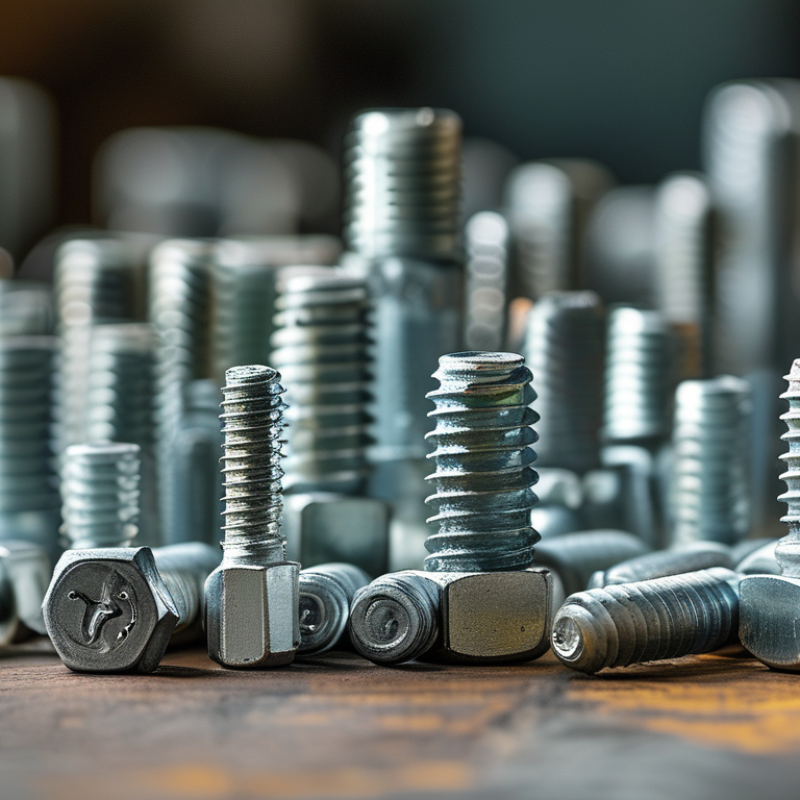
Understanding the Basics of Allen Socket Bolts and Their Applications
Allen socket bolts, also known as hex key bolts, serve vital roles in various fields. They feature a hexagonal recess for easy tightening with an Allen wrench. This design provides better grip compared to traditional bolts. Their applications range from automotive engineering to robotics and furniture assembly. For instance, the automotive industry utilizes approximately 60% of these bolts in assembly processes due to their reliability.
The choice of an Allen socket bolt should be based on performance requirements. Different materials are used, including stainless steel, carbon steel, and alloy steel. According to industry reports, stainless steel bolts are preferred for environments exposed to moisture or chemicals. Their corrosion resistance is critical. In contrast, carbon steel bolts are often chosen for their strength and cost-effectiveness.
However, it's important to consider the trade-offs. While stronger materials offer durability, they may compromise weight. A project requiring lightweight components may benefit from using aluminum or plastic inserts. Always assess specific needs and performance criteria to avoid costly oversights. Balancing strength and weight is crucial for optimal results.
Understanding the Popularity of Allen Socket Bolts Across Various Applications
This chart displays the usage of Allen socket bolts based on different applications commonly found in the industry. The data represents the percentage of usage in each category, showcasing the versatility of Allen socket bolts.
Identifying Materials and Strength Ratings for Allen Socket Bolts
When choosing Allen socket bolts, understanding materials and strength ratings is crucial. Different projects may require varying levels of strength and durability. Common materials include carbon steel, stainless steel, and alloy steel. Each has its advantages and drawbacks. Carbon steel is strong but may corrode over time. Stainless steel offers great resistance to rust, making it ideal for outdoor projects.
Strength ratings, indicated by grades, help determine a bolt's load capacity. Grade 8 bolts are made of medium carbon steel and feature higher hardness. In contrast, lower-grade bolts may handle less stress. It's essential to consider these ratings based on your project's needs.
Here are some tips to keep in mind:
- Always check compatibility with existing hardware.
- Inspect the finish to avoid wear and corrosion.
- Lastly, ask for expert recommendations or compare different choices.
This will help ensure the
right selection for your project. Don't overlook details; even minor choices can impact performance
significantly.
Choosing the Right Size and Thread for Your Specific Project Needs
When choosing Allen socket bolts, selecting the right size and thread for your project is crucial. A proper fit ensures that the bolts provide adequate strength and reliability. Measure the diameter and length of the hole before purchasing bolts. This step helps you avoid costly mistakes. If the size is off, you may end up with weaker connections or even damage your materials.
Thread type also plays a significant role in performance. Coarse threads work well for softer materials. They grip better and are easier to align. Fine threads, however, are desirable for harder materials, providing a tighter fit. Consider the material you will be working with and choose the appropriate thread accordingly.
Sometimes, project requirements can change unexpectedly. You may find that the size you initially thought was best does not work in practice. Always allow for flexibility in your project plans. Keeping spare bolts in various sizes and threads can save time and reduce frustration. Adjusting your approach based on real-world conditions often leads to better results. Don’t hesitate to reassess your choices. Consider factors like ease of assembly and disassembly in your evaluation.
Essential Tips for Choosing Allen Socket Bolts for Your Projects
| Project Type |
Recommended Allen Socket Bolt Size |
Thread Type |
Material |
Common Applications |
| Furniture Assembly |
M6 |
Metric Fine |
Steel |
Tables, Chairs |
| Automotive |
M8 |
Metric Coarse |
Stainless Steel |
Engine Parts, Chasis |
| Electronics |
M4 |
Metric Fine |
Brass |
Circuit Boards, Appliances |
| Construction |
M10 |
Metric Coarse |
Carbon Steel |
Framework, Structural Elements |
Evaluating Head Styles and Drive Types for Enhanced Performance
When selecting Allen socket bolts, understanding head styles and drive types is essential for achieving optimal performance. The head style influences how the bolt engages with tools. Common styles include hex, low-profile, and rounded heads. Each has its unique advantages. For example, hex heads provide great torque capabilities, while low-profile designs allow for tight spaces.
Drive types also play a critical role. Allen drives, or hex sockets, offer superior grip and reduce the chance of stripping, especially in high-torque applications. Torx drives are another option, known for their star-shaped pattern that enhances torque transfer. Evaluating these options helps ensure you select the right bolt for your specific needs.
*Tip: Always match the drive type to your available tools.* Misalignment can lead to frustration and inefficiency. Make sure the head style fits your project. It’s not uncommon to choose the wrong bolt, leading to installation issues. This oversight could slow down progress or even damage components.
*Tip: Check compatibility with existing hardware.* Keeping these factors in mind can significantly improve your project outcomes. Understanding the nuanced differences in head styles and drive types will enhance overall performance and reliability.
Maintenance and Installation Tips for Long-lasting Allen Socket Bolts
When installing Allen socket bolts, proper maintenance and installation techniques significantly enhance their durability. These bolts, made from hardened steel, can withstand considerable stress. However, without the right care, they may corrode or become loose over time. It's essential to regularly inspect your bolts for signs of wear. If they show rust or damage, replace them immediately.
Applying the correct torque during installation is crucial. Over-tightening can lead to stripping, while under-tightening may cause loosening. Use a calibrated torque wrench for accuracy. Cleaning the threaded areas before installation helps ensure a tight fit. Lubrication can also play a vital role in maintaining these bolts. A light coat of oil prevents rust and eases future removal.
Consider environmental factors, too. If your project is outdoor or in a humid area, use corrosion-resistant coatings. Be aware that even the best bolts require mindful installation. Reflecting on past projects, you might recall instances where improper maintenance led to failures. It's essential to learn from those experiences to enhance future practices. Always prioritize quality and care in your fastening choices for the best results.
FAQS
They are used in automotive, robotics, and furniture assembly, among other fields.
They can be made from stainless steel, carbon steel, and alloy steel.
Stainless steel bolts resist corrosion, making them suitable for moisture or chemicals.
Consider materials, strength ratings, and project requirements to ensure compatibility.
Strength ratings, indicated by grades, denote a bolt's load capacity and durability.
While strong, carbon steel may corrode, which can be a concern for certain projects.
Inspect finishes, check compatibility, and seek expert recommendations before deciding.
Lightweight components can be crucial in projects aiming for ease of handling or performance.
Overlooking details can lead to performance issues and costly project setbacks.
Conclusion
When selecting Allen Socket Bolts for your projects, it's essential to understand their fundamental characteristics and applications. These bolts come in various materials and strength ratings, which are crucial for ensuring they meet the specific requirements of your task. Additionally, choosing the appropriate size and thread is vital for achieving the desired fit and performance in your assembly.
Moreover, evaluating different head styles and drive types can enhance the functionality of Allen Socket Bolts in your applications. To ensure their longevity, it is also important to follow proper maintenance and installation practices. By considering these aspects, you can make informed decisions that will lead to successful project outcomes using Allen Socket Bolts.

 San Biao