What Are Flange Bolts and How Are They Used?

Time:2026-10-28 Author:Sienna
0%

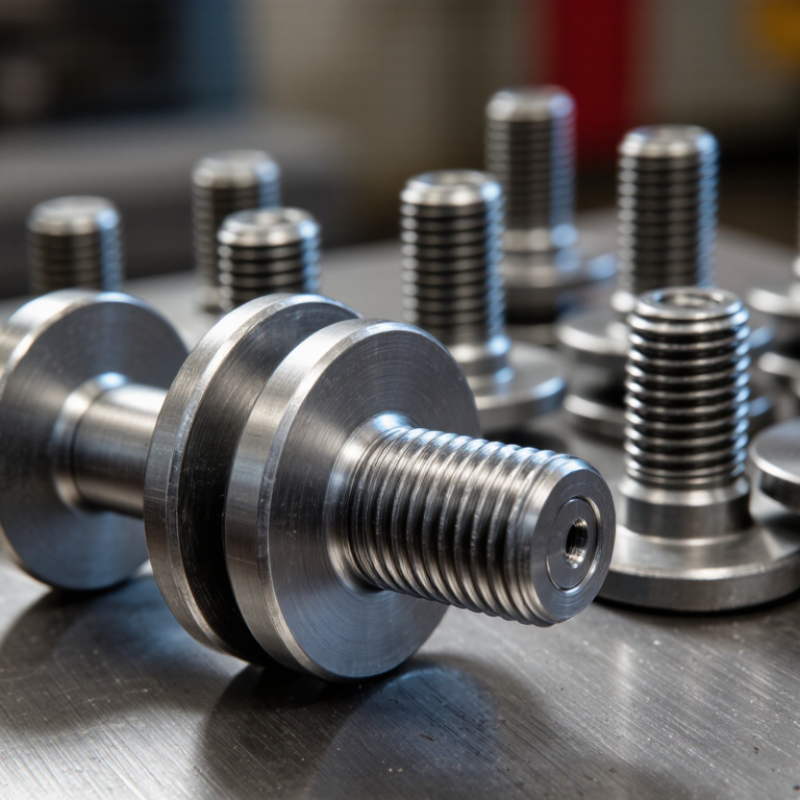
Flange Bolts are practical fastening components designed to secure parts while spreading clamping pressure across a wider surface. Their built-in flange works like an integrated washer. This feature can reduce surface damage and improve load distribution around the joint. In machinery, vehicles, structural assemblies, and pipe connections, that small detail can influence reliability.

Choosing the correct bolt involves more than matching thread size. Engineers and maintenance professionals consider strength grade, material, diameter, thread pitch, corrosion exposure, and joint design. A bolt that fits physically may still fail under vibration or repeated loading. Proper torque matters too. Too little torque can loosen the joint. Too much can stretch the bolt or crush the connected material. Manufacturer specifications and recognized standards should guide installation.

Real-world performance also depends on clean contact surfaces and accurate tools. Rust, paint, or debris beneath the flange can create uneven pressure. Regular inspections may reveal looseness, wear, or corrosion before serious damage develops. Still, no fastening method is completely foolproof. Temperature changes and vibration can challenge even a carefully installed joint. This guide explains what Flange Bolts are, how their design works, and where they are commonly used. It also considers selection, installation, and maintenance practices. Some applications require engineering review, especially when safety-critical equipment is involved. Mistakes often begin with assumptions. Careful measurement remains essential.
What Are Flange Bolts and How Are They Used?

What Are Flange Bolts and How Are They Designed?

What Are Flange Bolts and How Are They Designed?

Flange bolts have a built-in flange beneath the head. This circular shoulder works like an attached washer. It spreads clamping pressure across a wider surface and can reduce damage to softer materials. The flange also helps keep the bolt head from sinking into a joint. Small details matter.

Design begins with the joint, not the bolt alone. Engineers select the diameter, thread pitch, length, and strength grade according to the expected load. The bolt must resist tension, shear, vibration, and repeated tightening. Its flange diameter should provide enough bearing area without interfering with nearby parts. The shank and threaded section also need proper alignment. Poor thread engagement can weaken an otherwise strong connection.

Material choice depends on heat, moisture, corrosion, and operating stress. Steel flange bolts suit many structural and mechanical assemblies, while other materials may fit specialized environments. Surface finish can improve corrosion resistance, but it does not replace correct material selection. Torque values are useful, yet they are only a starting point. Thread friction, lubrication, coating, and tool accuracy can change the final preload. Real installations are rarely perfect. A clean flange contact area and consistent tightening pattern often matter more than a confident torque number. When safety is critical, engineers verify the joint through calculations, specifications, and physical inspection.

What Types of Flange Bolts Are Available?

Flange bolts combine a hexagonal head with a built-in circular flange. The flange spreads clamping pressure like a washer. This helps protect softer surfaces and reduces assembly parts. Standard non-serrated flange bolts suit clean, machined joints. Serrated flange bolts add teeth beneath the head. Those teeth resist loosening under vibration, though they may mark coated surfaces.

Material and strength create the main differences. Carbon-steel flange bolts are common in machinery and structural assemblies. Stainless-steel versions resist moisture and chemical exposure. Metric property classes also matter. ISO 898-1 reports a minimum tensile strength of 800 MPa for class 8.8 bolts. Class 10.9 reaches 1,040 MPa. Higher strength is not automatically better. Excessive preload can damage a flange or distort thin components.

Head designs vary too. Standard hex flange bolts fit general maintenance work. Heavy-hex structural bolts provide larger wrenching surfaces and higher bearing capacity. Reduced-flange designs help when clearance is limited. Serrated types can be useful on vibrating equipment, but installation experience shows a weakness: they are poor choices for delicate painted finishes. ASME B16.5 identifies flange pressure classes from 150 through 2500. The bolt selection must match the joint’s pressure, temperature, hole pattern, and gasket. A convenient size is not enough. Torque records, thread condition, and actual surface hardness deserve equal attention.

How Do Flange Bolts Work in Fastened Joints?

A flange bolt combines a threaded shank with an enlarged bearing surface beneath its head. In a fastened joint, that flange presses against the clamped material like a built-in washer. It spreads contact pressure, reduces surface damage, and helps prevent the bolt head from sinking into softer materials.

Installation torque creates bolt tension, which pulls the joint members together. NASA Reference Publication 1228 explains that only about 10% of applied torque typically produces useful bolt preload. Thread friction may consume roughly 40%, while under-head friction can consume about 50%. These figures vary with coating, lubrication, surface finish, and thread condition. Torque is not preload.

The joint works when clamp force remains higher than separating or sliding forces. A flange bolt can improve load distribution, but it cannot correct poor alignment or weak material. Under vibration, lost preload may allow microscopic movement around the hole. That movement can enlarge the hole and reduce joint stiffness. ASTM F606/F606M test methods help verify fastener strength and hardness, while VDI 2230 evaluates bolted-joint loading and safety margins.

Field practice exposes an uncomfortable detail. Two bolts tightened to the same torque may develop different tension. A clean, lightly lubricated thread can behave very differently from a dry, dirty one. I have seen flange contact marks reveal uneven seating before instruments showed a problem. The calculation may be sound. The assembly may still be imperfect. Check the mating surfaces, use calibrated tools, and inspect the joint after service exposure.

What Are Flange Bolts and How Are They Used?

Flange bolts combine a bolt head with an integrated circular flange. The flange distributes the clamping load over a larger area, helping protect the joint surface and often eliminating the need for a separate washer.

Metric Flange Bolt Sizes and Tensile Stress Area

The tensile stress area is the effective threaded cross-sectional area used when evaluating a bolt’s tensile load capacity. Larger bolts generally provide greater load-carrying capability when material grade and installation conditions are comparable.

Where Are Flange Bolts Commonly Used?

Flange bolts are fasteners with a broad, built-in flange beneath the head. This flange spreads clamping pressure across a wider surface. It can reduce surface damage and often removes the need for a separate washer. Their value becomes clearer in assemblies exposed to movement, vibration, or repeated maintenance.

These bolts are common in automotive manufacturing, especially around engines, suspension parts, and chassis components. They also appear in agricultural machinery, where dust, vibration, and uneven ground challenge ordinary fasteners. Heavy equipment frames, conveyor systems, and industrial guards frequently use them as well. In these settings, the larger bearing surface helps maintain stable contact between joined metal parts.

Flange bolts are also used in heating, ventilation, and air-conditioning equipment. Technicians may install them on equipment panels, mounting brackets, and duct-support structures. Plumbing and process equipment can use similar fasteners around pumps, supports, and mechanical connections. The exact bolt grade must match the load, temperature, and corrosion conditions. Stainless steel may suit damp areas, while coated steel can work in many outdoor applications.

Clean contact surfaces matter. So does controlled tightening. Too little torque may allow movement; too much can distort thin parts or damage threads. Flange bolts are not a cure-all. Their performance depends on accurate sizing, suitable materials, and proper installation. Field conditions vary, and that is where mistakes often begin.

How Should Flange Bolts Be Selected and Installed?

Flange bolts secure mating flanges around a gasket, creating a controlled sealing force. Their selection should begin with pressure, temperature, fluid, flange material, and gasket type. ASME B16.5 provides flange dimensions and pressure-temperature ratings, while ASTM F3125/F3125M classifies high-strength structural bolts by grade and mechanical performance. These references help engineers avoid treating every bolt as interchangeable.

Installation needs equal attention. ASME PCC-1-2022 recommends a documented tightening procedure, calibrated tools, and a cross-pattern sequence. Select torque from the engineering specification, not from bolt diameter alone. Lubrication can significantly change the achieved preload, so the lubricant must be recorded. Clean threads matter. Rust, paint, or damaged threads can create false torque readings.

Tighten in several passes, such as 30%, 60%, and 100% of the approved value, then complete a circular verification pass. For large joints, hydraulic tensioning may provide better control than a hand wrench.

The gasket should remain centered during assembly. A small offset can become a visible leak after pressurization. The U.S. Department of Energy reports that compressed-air leakage may waste 20% to 30% of compressor output, showing why joint quality deserves attention. In field work, the first torque plan is sometimes too optimistic. Temperature, access, and lubricant condition change the result. Record actual tool calibration, bolt condition, and final inspection findings. Then review the method before repeating it.

FAQS

What is a flange bolt?

A flange bolt has a hexagonal head and a circular flange underneath. The flange spreads pressure like a built-in washer. This can protect softer surfaces and reduce loose assembly parts.

What is the difference between serrated and non-serrated flange bolts?

Non-serrated bolts suit clean, machined joints. Serrated bolts have teeth beneath the head. These teeth resist loosening during vibration but may scratch painted or coated surfaces.

Which materials are commonly used for flange bolts?

Carbon steel suits machinery and structural assemblies. Stainless steel handles moisture and chemical exposure better. Material choice should match the joint environment, strength needs, and surface condition.

Does a higher strength class always provide better performance?

No. Higher strength is not automatically better. Class 8.8 bolts provide about 800 MPa minimum tensile strength, while class 10.9 reaches about 1,040 MPa. Excessive preload can distort thin parts or damage a flange.

How does torque create clamping force?

Installation torque stretches the bolt and pulls joint members together. Only about 10% of applied torque may become useful preload. Friction consumes much of the remaining torque.

Is torque a reliable measurement of bolt tension?

Torque is not preload. Lubrication, dirt, coatings, and thread damage can change the result. Two bolts tightened equally may develop different tension. This is easy to underestimate.

How should flange bolts be tightened?

Use a calibrated tool and an approved tightening value. Tighten in several passes, such as 30%, 60%, and 100%. Follow a cross-pattern sequence, then make a circular verification pass. Keep records.

What should be checked before installing flange bolts?

Check pressure, temperature, fluid, flange material, gasket type, hole pattern, and bolt condition. Clean the threads and mating surfaces. Center the gasket carefully. Small offsets matter. A sound plan can still fail in the field.

When are hydraulic tensioning tools useful?

Hydraulic tensioning can improve control on large joints. It may help where hand tools provide uneven access or inconsistent results. The method still needs suitable procedures, inspection, and recorded final conditions.

How can vibration damage a bolted joint?

Lost preload may allow tiny movements around the bolt hole. These movements can enlarge the hole and reduce joint stiffness. Serrated bolts may help, but they cannot fix poor alignment or weak material.

Conclusion

Flange Bolts are fasteners designed with an integrated flange beneath the head, creating a broader bearing surface that helps distribute clamping pressure and protect connected materials. Their design can reduce the need for separate washers while improving joint stability. Depending on the application, flange bolts may feature different head shapes, thread configurations, materials, strength grades, and surface finishes to meet requirements for load capacity, corrosion resistance, temperature, and installation conditions.

In a fastened joint, the bolt passes through aligned components and is tightened with a compatible nut or threaded hole. The resulting clamping force holds the parts together, while the flange helps prevent localized damage and can improve resistance to loosening. Flange Bolts are commonly used in machinery, vehicles, structural assemblies, equipment frames, pipelines, and general manufacturing. Proper selection should consider size, thread type, strength, environment, and mating materials. During installation, clean contact surfaces, accurate alignment, suitable tools, and the specified tightening torque are essential for a secure and reliable joint.


Sienna

Sienna

Sienna is a skilled marketing professional with a deep expertise in our company’s core products and services. With a passion for innovation and detail, she plays a pivotal role in crafting insightful blog posts that not only highlight the unique features of our offerings but also provide valuable......