In today's global manufacturing landscape, the demand for high strength nuts is on the rise. These vital components are used in various industries, including automotive, aerospace, and construction. Finding reliable suppliers for high strength nuts can be challenging. However, making informed choices is essential for efficient procurement.
Many companies seek high strength nuts that meet strict specifications. Ideally, these nuts should offer exceptional performance and durability. It is important to engage with manufacturers who demonstrate expertise in metallurgy and quality assurance. This minimizes risks associated with supply chain disruptions.
Buyers should consider geographic diversity when sourcing high strength nuts. Regions known for high-quality production often provide greater reliability. Engaging in thorough research can help identify reputable suppliers. Ultimately, awareness of trends and market dynamics is crucial for successful procurement in this competitive field.
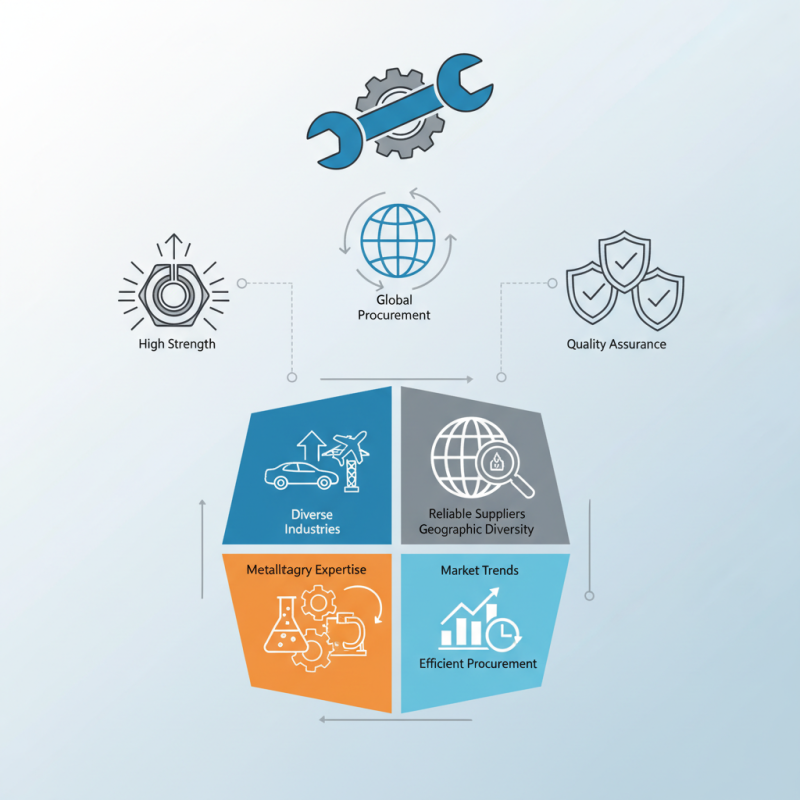
High strength nuts are crucial components in various industries. They are typically used in applications requiring robust fastening solutions. These nuts come in different types, including hex, lock, and flanged variations. Each type has its unique properties suitable for specific needs. For instance, lock nuts prevent loosening under vibration, making them ideal for dynamic environments.
The materials used for high strength nuts also vary significantly. Common materials include steel, stainless steel, and alloy materials. Steel nuts often offer high tensile strength, while stainless steel provides corrosion resistance. However, selecting the right material is not always straightforward. Factors such as environmental conditions and load requirements can complicate the decision-making process.
High strength nuts are integral in construction, automotive, and aerospace applications. Engineers must consider not only the strength but also the compatibility with other parts. Misalignment can lead to failure risks. It’s essential to consult experts or reference comprehensive databases to ensure proper selection. The growing need for high strength nuts calls for reliable sourcing to maintain quality and performance standards across projects.
When sourcing high strength nuts for global procurement, it is essential to identify reliable suppliers. Global markets have diverse players, from large manufacturers to niche producers. Suppliers in regions such as Asia and Europe are prominent. They often provide a variety of sizes and specifications suitable for different applications. This diversity helps in ensuring that companies find the right nuts for their specific needs.
It’s crucial to assess the quality assurance processes of suppliers. Compliance with international standards is a must. Certifications can indicate a supplier's commitment to quality. However, not all suppliers maintain consistent quality control. Some may struggle with scaling production while maintaining high standards. Engaging in direct communication with suppliers can provide insights into potential challenges.
Exploring established trade shows can also uncover key suppliers. Networking at these events often reveals new, reliable sources. However, it’s worth noting that buying from unfamiliar suppliers carries risks. Due diligence is necessary when evaluating new partners. This might involve reviewing their production capabilities and past performance. Clear communication on specifications and deadlines can prevent misunderstandings.
When sourcing high strength nuts for global procurement, quality standards are crucial. The International Organization for Standardization (ISO) emphasizes that materials must meet specific metrics. The percentage of defective nuts in bulk orders can affect project timelines. According to industry reports, up to 15% of bulk fasteners fail to meet rigorous quality benchmarks, resulting in costly delays.
Quality evaluations require thorough testing. Tensile strength tests and corrosion resistance assessments are essential. A study by the Fastener Quality Act found that improperly tested fasteners lead to failures. This can have severe implications, particularly in aerospace and automotive sectors. Quality audits of suppliers can mitigate risks. Consistently checking certifications maximizes reliability and strength.
The challenges of sourcing high strength nuts often lie in ensuring compliance. Variations in manufacture can lead to deviations in quality. Engaging with suppliers who prioritize quality management systems can provide an essential advantage. Creating a reliable procurement strategy is essential in navigating these complexities. Reducing defects requires diligence and continuous improvement in supplier engagement practices.
When sourcing high-strength nuts for global procurement, businesses must consider several strategies. The demand for high-strength fasteners is projected to reach approximately $23 billion by 2025, according to recent industry reports. This growth reflects the increased use in construction, automotive, and aerospace sectors. Understanding sourcing options is crucial for procurement specialists.
Engaging with suppliers in various regions can yield competitive pricing and quality. Establishing connections with manufacturers in countries known for fastener production can lower costs. For example, Asia hosts some of the largest producers. However, challenges such as inconsistent quality and varying lead times can arise. It's essential to perform due diligence when selecting suppliers.
Additionally, leveraging data analytics can enhance procurement strategies. Analyzing market trends and supplier performance helps in making informed decisions. For instance, reports indicate that companies using data analytics improve supply chain efficiency by up to 30%. However, limited data availability can hinder accurate forecasting. Therefore, continually reassessing sourcing strategies and supplier relationships is vital.
When procuring high strength nuts, logistics and shipping must be carefully managed. These components are crucial in various industries, including construction and aerospace. Unforeseen delays can lead to costly project overruns. Planning for efficient transportation reduces these risks.
Choosing the right shipping method is paramount. Air freight may be faster but more expensive. On the other hand, sea freight offers cost savings but requires more time. Consider the urgency of your project when making this decision. Local customs regulations may also impact delivery times, so it's wise to research these aspects.
Another detail to reflect on is packaging. High strength nuts need secure packing to prevent damage. Improper packaging can lead to losses during transit. This requires working closely with suppliers to ensure the integrity of the shipment. Additionally, tracking shipments is vital for staying informed about potential issues. As you navigate the complexities of logistics, reassessing your strategies can improve efficiency in procurement processes.
: Assess supplier reliability, production capacity, and the diversity of nuts available. Clear communication is essential.
Quality assurance ensures compliance with international standards. Certificates show commitment but are not always consistent.
Trade shows provide networking opportunities. They help discover new sources, but assess risks with unfamiliar suppliers.
Plan transportation carefully to avoid delays. The choice between air and sea freight affects cost and urgency.
Secure packaging prevents damage. Poor packing can result in losses, so collaboration with suppliers is necessary.
Tracking shipments allows for timely updates. It helps manage expectations and addresses potential issues swiftly.
New suppliers may not have proven reliability. Conduct due diligence to evaluate their past performance.
Customs regulations can cause delays. Researching these factors aids in planning and setting realistic timelines.
Regularly reassess suppliers and logistics strategies. This reflection can reveal areas for efficiency improvement.
Misunderstandings can arise from vague specifications. Clear communication is key to achieving project goals.
The article "Where to Find High Strength Nuts for Global Procurement?" explores essential aspects of sourcing high strength nuts, a critical component in various engineering and construction applications. It begins by outlining the types of high strength nuts available, emphasizing their diverse uses and the importance of selecting the right type for specific projects. The article then highlights key global suppliers, providing insights into their offerings and market reach.
Furthermore, it delves into evaluating quality standards to ensure that sourced high strength nuts meet industry requirements. Effective sourcing strategies are discussed to aid procurement professionals in navigating the global market efficiently. Lastly, the article addresses logistical and shipping considerations that play a vital role in the timely and safe delivery of high strength nuts, ultimately supporting successful project execution.

San Biao