Top Tips for Choosing Structural Steel Screws for Your Projects

Time:2026-06-10 Author:Ethan
0%

When it comes to construction projects, selecting the right fasteners is crucial. Structural Steel Screws are often the backbone of many structures. Renowned expert in steel construction, Dr. Emily Carter, emphasizes, “The right screws ensure safety and integrity in every build.” Her insights underscore the importance of understanding various screw types and their specific applications.

Choosing appropriate Structural Steel Screws may seem straightforward, yet many overlook critical details. Factors like screw strength, corrosion resistance, and size play vital roles. Each project demands tailored solutions that meet unique challenges. Builders must educate themselves on these specifics to avoid potential pitfalls. The consequences of poor choices can lead to structural failures, resulting in costly repairs and safety hazards.

Moreover, not all screws are created equal. Some may promise durability but falter under stress. It's essential to scrutinize manufacturer specifications and ensure compliance with industry standards. A reliable screw can make the difference between a secure structure and a misguided project. Taking the time to choose wisely is an investment in quality and safety.
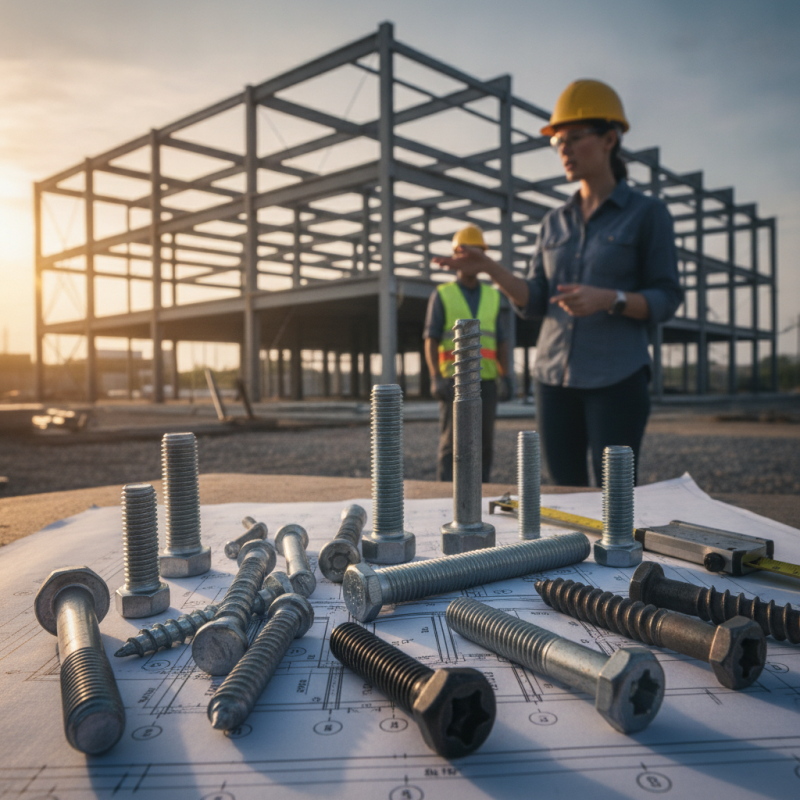
Top Tips for Choosing Structural Steel Screws for Your Projects

Understanding the Different Types of Structural Steel Screws Available

When choosing structural steel screws, understanding the different types available is crucial. Structural steel screws are designed for various applications. Common types include lag screws, hex bolts, and self-tapping screws. Each type has unique features suited to specific tasks. Lag screws offer high holding power, while hex bolts are versatile and often used in heavy-duty situations. Self-tapping screws simplify installation, especially in thin materials.

Consider the material of your project. Different steel alloys provide different strengths and resistance to corrosion. Stainless steel screws resist rust but can be more expensive. Coated screws may offer additional protection at a lower cost. Your choice should align with environmental conditions and load requirements.

Quality is key when selecting screws. Low-quality screws can fail under stress, leading to project failure. Check for certifications or standards compliance. Seek advice from experts if unsure about your selection. Proper installation is equally important. Good practice enhances longevity and performance. Even minor mistakes can lead to significant issues later.

Key Factors to Consider When Selecting Structural Steel Screws

When selecting structural steel screws, several key factors are crucial to ensure durability and performance. The material of the screws is of utmost importance. For optimal strength, screws must be made from high-grade steel. A report by the American Institute of Steel Construction (AISC) highlights that using screws with a tensile strength of at least 120 ksi is critical for load-bearing applications.

Another vital consideration is corrosion resistance. Steel screws often need protection against environmental elements. Choosing screws with proper coatings such as galvanized or zinc plating can significantly enhance their lifespan. According to a study published in the Journal of Constructional Steel Research, screws lacking adequate corrosion protection can lose up to 40% of their performance in harsh conditions.

Thread design is also essential in ensuring a proper fit with the connected materials. Incorrect thread specifications can lead to joint failures, especially under high loads. The American Society for Testing and Materials (ASTM) suggests that selecting screws with a thread pitch suitable for your specific application can improve the overall integrity of the construction. An overlooked aspect might be the compatibility between screw and material. Regularly assessing these factors can prevent costly repairs in the future.

Top Tips for Choosing Structural Steel Screws for Your Projects

Criteria Description Importance Level
Material Quality Ensure screws are made from high-grade steel to withstand stress. High
Coating Look for corrosion-resistant coatings for longevity. High
Size and Dimensions Select appropriate sizes for loads and space requirements. Medium
Thread Type Consider thread pitch and design for better grip. Medium
Strength Rating Check the tensile strength rating to match project needs. High
Compliance Standards Ensure screws meet relevant industry standards and codes. High
Cost Balance quality with pricing for budget management. Medium

Assessing Strength and Load Capacity for Your Project Needs

When selecting structural steel screws, understanding strength and load capacity is essential. These factors directly impact the safety and longevity of your projects. According to the American Institute of Steel Construction (AISC), proper sourcing of screws can enhance structural integrity, which is crucial in load-bearing applications. Engineers often rely on load tables that specify the maximum load capacities for different screw sizes and grades. This information is pivotal when designing components that face substantial forces.

The pullout strength of a screw is another critical consideration. Studies indicate that factors like screw diameter and thread type can dramatically affect performance. For instance, a screw with a larger diameter can resist higher loads, but it may also require a larger pilot hole. Additionally, environmental conditions, such as moisture exposure, can influence screw performance. A report by the National Institute of Standards and Technology (NIST) shows that corrosion can significantly decrease structural capabilities over time.

Many professionals struggle with finding the right balance between strength and material cost. Choosing high-grade steel can improve performance but may increase expenses. Conversely, opting for lower-grade screws might save money but can compromise the project's integrity. It’s important to regularly revisit these decisions, ensuring they align with project demands. A reflective approach can foster better outcomes, leading to safer and more efficient structures.

Evaluating Corrosion Resistance and Environmental Suitability

Selecting the right structural steel screws involves understanding their corrosion resistance and environmental suitability. Corrosion resistance is crucial for ensuring longevity. Screws exposed to moisture or chemicals can degrade quickly. Look for materials that are designed to withstand such challenges.

One effective tip is to choose screws coated with weather-resistant finishes. These coatings protect the screws from rust and corrosion. However, not all coatings perform equally under different environmental conditions. Sometimes, even a seemingly robust coating may fail in specific applications. It’s essential to assess your project's unique needs.

Another point of reflection is to consider the environmental impact of the screws you select. Opt for screws made from recycled materials when possible. These options can lower your carbon footprint. Yet, it’s important to verify that these screws still meet strength and durability standards. A compromise between sustainability and functionality can be a tough decision. Always evaluate all aspects carefully to ensure safety and effectiveness in your projects.

Tips for Installation and Maintenance of Structural Steel Screws

When it comes to installing structural steel screws, proper preparation is key. Ensure you have the right tools and equipment on hand. A drill with adjustable torque settings is crucial for avoiding over-tightening. Consider using a hand tool for final adjustments. This can help in maintaining precision and reducing the risk of damaging the material.

During the installation process, pay close attention to alignment. Misalignment can lead to structural weaknesses. It's useful to test the fit of screws before fully securing them. If the screw does not sit well, reevaluate the hole size and type. Consistent inspection is necessary throughout the process. Regular checks can identify issues like corrosion or misalignment early.

Maintenance is just as critical. Periodically inspect the screws for signs of wear or fatigue. Environmental factors can affect their longevity. Use a protective coating to prevent corrosion, especially in humid areas. Not every installation goes perfectly, and that’s okay. Learning from past mistakes will enhance your skills over time. Regular training and knowledge updates can help avoid repetitive errors and ensure long-lasting integrity in your projects.

Structural Steel Screws Usage and Maintenance Tips

FAQS

: What is the importance of assessing strength and load capacity for screws?

: Assessing strength and load capacity is key for safety and longevity in projects.

How does screw diameter affect load capacity?

A larger screw diameter generally can resist higher loads but may need a bigger pilot hole.

Why is corrosion resistance important for structural screws?

Corrosion resistance ensures the longevity of screws exposed to moisture or chemicals.

What can happen if the wrong screw grade is chosen?

Choosing a lower-grade screw may save money but can compromise project integrity.

How can coatings affect screw performance?

Coatings protect against rust but may fail under specific environmental conditions.

Should environmental impact be considered when selecting screws?

Yes, screws made from recycled materials can lower your carbon footprint.

Is it necessary to reflect on past screw selections?

Regularly revisiting decisions helps ensure choices align with project demands.

What’s a common struggle among professionals when choosing screws?

Finding the right balance between strength and material cost can be challenging.

How can environmental conditions affect screws?

Moisture can lead to corrosion, which significantly reduces structural capabilities over time.

What should be considered in relation to sustainability and functionality?

A compromise may be needed; ensure screws meet strength standards while being environmentally friendly.

Conclusion

When selecting Structural Steel Screws for your projects, it is essential to understand the different types available, as each serves unique purposes and applications. Key factors to consider include the screw's compatibility with the materials used in your structure, the environmental conditions it will face, and the specific load requirements of your project.

Evaluating strength, load capacity, and corrosion resistance is crucial to ensure longevity and reliability in various scenarios. Furthermore, proper installation and regular maintenance of Structural Steel Screws can significantly impact the overall integrity of the construction. By following these tips, you can make informed decisions that enhance the efficiency and durability of your projects.


Ethan

Ethan

Ethan is a seasoned marketing professional with a deep expertise in our company's innovative product line. With a passion for sharing knowledge and insights, he takes the lead in regularly updating our corporate blog, where he explores industry trends, product features, and effective marketing......