China Top 10 Allen Socket Bolt Suppliers?

Time:2026-11-04 Author:Henry
0%

Allen Socket Bolts look simple: a cylindrical head, a hexagonal recess, and a matching wrench. Yet choosing a dependable supplier takes more than comparing prices. Buyers must examine steel grade, dimensional consistency, coating, batch traceability, and inspection records. A small mismatch can mean a loose tool fit or uneven clamping force. Details matter.

Market reports help explain the scale and direction of the fastener business. Grand View Research’s Industrial Fasteners Market report and Mordor Intelligence’s industrial fasteners coverage track market size, applications, and regional demand. Their broad categories do not rank individual Allen Socket Bolts suppliers, however. For technical checks, ISO 4762 defines dimensions for hexagon socket head cap screws, while ISO 898-1 addresses mechanical properties of carbon and alloy steel fasteners. These references offer a firmer starting point than promotional claims.

NASA fastener authority Richard T. Barrett, author of the Fastener Design Manual, emphasizes careful engineering and selection. Paraphrased here, his guidance can be put simply: “Match the fastener to the load, material, and installation.” Short, but important. This guide compares ten China-based suppliers through practical criteria: product range, stated standards, quality documentation, export experience, and responsiveness to technical questions. Supplier information can change, and published claims are not the same as independent verification. That limitation deserves attention. Use the list as a research shortlist, then request current certificates, samples, and inspection details before placing an order. A polished catalogue is useful; a verifiable production record is better.
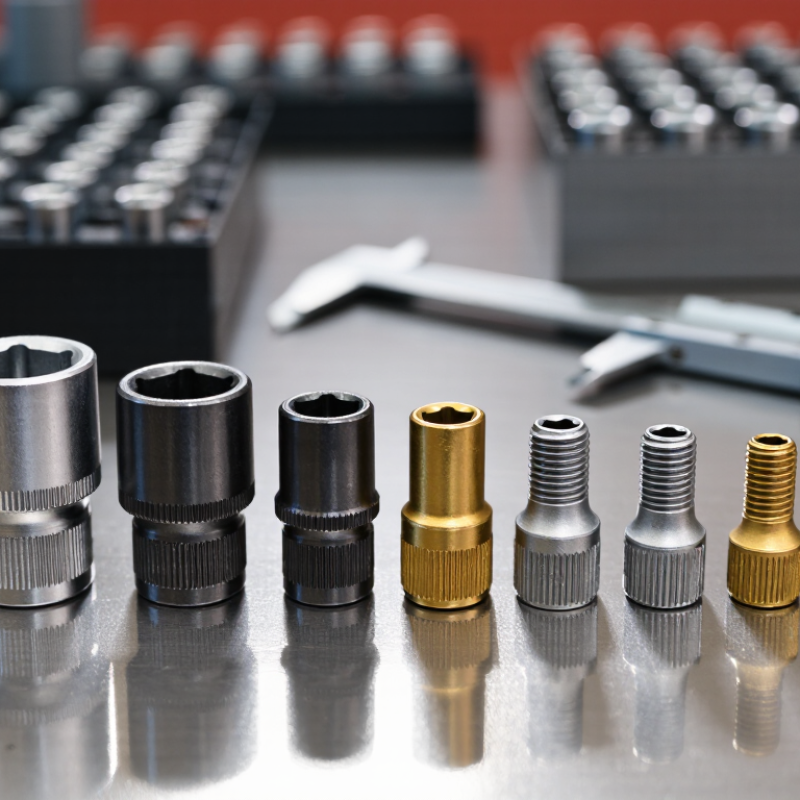
China Top 10 Allen Socket Bolt Suppliers?

What Are Allen Socket Bolts and Where Are They Used?

Allen socket bolts are fasteners with a hexagonal recess in the head, tightened using an Allen key or hex bit. Many have a cylindrical head, though low-profile and countersunk versions are also available. Their internal drive allows installation where a wrench cannot easily reach around the bolt head. Small, but useful.

You will find them in machine frames, equipment housings, jigs, and furniture joints. In a workshop, they might secure a steel bracket inside a narrow enclosure, leaving nearby parts unobstructed. Common materials include alloy steel and stainless steel, but the right choice depends on load, corrosion exposure, and the parts being joined. Check the thread size, bolt length, head clearance, and strength grade before ordering. A bolt that fits the hole may still be unsuitable for the load. During installation, keep the socket clean and use a properly fitting key to reduce the risk of rounding it. Tightening torque matters, too; follow the equipment maker’s guidance where available. Drawings can make a joint look straightforward, but coatings, access, and repeated removal may change what works in practice.

How to Evaluate Allen Socket Bolt Suppliers in China

Evaluating Allen socket bolt suppliers in China takes more than comparing unit prices. Ask what steel grades they offer and whether material certificates can be matched to production batches. Check dimensional tolerances, thread accuracy, and hardness test records. A sample bolt should fit a thread gauge and sit flush in its socket; small defects can cause trouble during installation. Details matter. Request inspection reports and clarify whether checks happen during production or only before shipment.

Look at how the supplier handles custom drawings, packaging, and changes to an order. Clear answers about lead times and minimum quantities are useful, but verify them against sample orders and written specifications. If possible, review the factory’s quality procedures or arrange an independent inspection. A polished certificate alone is not proof of consistent output. Ask how nonconforming parts are recorded and corrected. Communication can still be uneven, and one successful sample does not guarantee every batch will match. That limitation is easy to overlook. Compare several suppliers using the same checklist, then weigh documented quality and responsiveness alongside price.

How to Evaluate Allen Socket Bolt Suppliers in China

Suggested buyer-defined evaluation weights, not market-survey results. Assess product conformity against the specified standard and drawings, verify material and inspection records, and compare delivery performance, technical support, and commercial terms using the same criteria for each supplier.

Profiles of 10 Chinese Allen Socket Bolt Suppliers

Chinese Allen socket bolt suppliers often differ more in process control than catalogue size. A cold-heading specialist suits standard sizes and steady volumes. A CNC-focused workshop handles unusual dimensions, but lead times may vary. A stainless-steel supplier can serve wet or corrosive settings; ask for material certificates. An alloy-steel producer may offer higher-strength grades and heat treatment. A drawing-based manufacturer is useful for custom head depths or drive dimensions. Fit matters.

Grand View Research estimated the global fasteners market at USD 90.6 billion in 2023, with a projected 4.5% compound annual growth rate through 2030. This is broad market data, not an Allen-bolt sales estimate.

Other useful profiles include an export-focused supplier with documented packing checks, a small-batch maker for trials, and an automated sorting operation that checks dimensions and surface defects. A coating specialist can match finish requirements, while an integrated producer may manage forming, heat treatment, and inspection in-house. A final profile is the trading-led supplier: it may offer a wide range, but buyers should confirm who made each batch.

Ask all ten for sample bolts, thread-gauge results, material records, and a clear tolerance sheet. Small details count. A polished catalogue can still hide uneven batch control, and that is easy to overlook when comparing prices.

Key Quality Standards and Manufacturing Capabilities

For buyers comparing China’s Allen socket bolt suppliers, quality starts with measurable controls, not catalogue claims. ISO 4762 defines dimensions for hexagon socket head cap screws, while ISO 898-1 covers mechanical properties for carbon and alloy steel fasteners. Ask for lot-specific test reports showing tensile strength, proof load, hardness, and dimensional checks. A thread plug gauge and calibrated torque equipment can reveal problems that polished samples hide. Small details matter.

Manufacturing capability should cover controlled cold heading, thread rolling, heat treatment, and coating inspection. Request traceability from steel heat number to finished batch, plus records for furnace temperature and hardness distribution. The World Steel Association reported China produced 1,005.1 million tonnes of crude steel in 2024. That scale supports a broad materials ecosystem, but it does not prove any supplier’s consistency. Check actual process records. A large factory can still have weak documentation.

For coated bolts, specify coating type, thickness, and test method before ordering; “corrosion resistant” alone is too vague. ISO 3269 provides a framework for fastener acceptance inspection, but buyers should agree sampling rules and rejection limits in writing. Audit a production lot, not just a showroom sample. One practical gap remains: salt-spray results do not directly predict service life in every environment. Ask suppliers to explain that limitation, and compare evidence with the bolt’s real operating conditions.

China Top 10 Allen Socket Bolt Suppliers? - Key Quality Standards and Manufacturing Capabilities

No. Quality Standard or Checkpoint What It Covers Manufacturing Capability to Verify Useful Supplier Evidence
1 ISO 4762 Dimensions and product requirements for hexagon socket head cap screws, commonly called Allen socket cap screws. Cold heading or machining, socket forming, dimensional control, and inspection of head and socket geometry. Current drawings, dimensional inspection records, and a sample measured against the specified size and tolerance.
2 ISO 898-1 Mechanical properties of carbon steel and alloy steel bolts, screws, and studs, including property classes such as 8.8, 10.9, and 12.9. Controlled material selection and heat treatment, with testing appropriate to the ordered property class and product size. Material and heat-treatment traceability, mechanical test reports, and clearly marked product-class specifications.
3 ISO 3506-1 Mechanical properties of corrosion-resistant stainless steel bolts, screws, and studs; stainless designations include A2 and A4 groups. Stainless-steel forming or machining, prevention of material mix-ups, and verification of the specified stainless grade. Material certificates, grade-identification controls, and mechanical test results for the specified stainless-steel condition.
4 ISO 261 and ISO 965-1 ISO metric thread series and the principles and basic data for metric screw-thread tolerances. Thread rolling or cutting, gauge-based inspection, and control of pitch, thread profile, and tolerance class. Thread specification on the drawing or order, calibrated GO/NO-GO gauge records, and inspection results.
5 ISO 4042 Electroplated coating systems for fasteners, including coating-related requirements and considerations. Managed plating or qualified plating subcontracting, coating-thickness control, and assessment of hydrogen-embrittlement risk for susceptible high-strength parts. Coating specification, thickness results, process records, and documented controls appropriate to the fastener material and strength class.
6 ISO 10683 Non-electrolytically applied zinc-flake coating systems for fasteners. Surface preparation and coating application controls, with checks for coating coverage, thickness, and any specified friction requirements. Coating-system details, batch records, inspection reports, and test results required by the purchase specification.
7 ISO 16047 Test method for determining the torque/clamp-force relationship of fasteners and related assemblies. Torque-tension testing using suitable equipment and test conditions that match the specified fastener, coating, and lubrication state. Test reports identifying the sample, setup, lubrication or coating condition, and measured torque and clamp-force results.
8 ISO 6157-1 Surface discontinuities in bolts, screws, and studs, including relevant acceptance requirements for carbon-steel and alloy-steel fasteners. In-process and final visual inspection, defect segregation, and documented inspection criteria for the ordered product. Inspection procedures, defect records, and evidence that nonconforming lots are identified and controlled.
9 ISO 3269 Acceptance inspection principles for fasteners supplied in batches. Lot identification, sampling inspection, traceability, and a documented process for handling inspection failures. Batch inspection reports showing the lot, sample plan or inspection basis, results, and disposition.
10 ISO 9001 Requirements for a quality management system; certification does not by itself certify a particular bolt or guarantee product performance. Documented control of purchasing, production, inspection, calibration, nonconformities, and corrective actions. A valid certificate covering the relevant manufacturing site and scope, plus product-specific inspection and test records.

Evaluation note: This table is a standards-based supplier assessment framework, not a ranking of named manufacturers. Manufacturing methods and available tests vary by facility and product; confirm the applicable edition, product size, material, property class, coating, tolerances, and acceptance criteria in the purchase specification.

How to Choose and Verify a Supplier for Your Needs

China Top 10 Allen Socket Bolt Suppliers?

How to Choose and Verify a Supplier for Your Needs

Choosing an Allen socket bolt supplier in China starts with your application, not a price list. Specify the diameter, length, thread, material, property class, coating, and required quantity. Ask for a sample and inspect the hex socket for clean edges, consistent depth, and a close fit with your wrench. A low quote can look attractive, but unclear tolerances or mixed batches may cost more later.

Request a material certificate, batch identification, and mechanical test results that match the order. ISO 898-1:2013 sets mechanical property requirements for carbon and alloy steel fasteners; for example, property class 8.8 has a minimum tensile strength of 800 MPa. Ask how the supplier verifies those values, and whether reports are linked to the specific production lot. Check thread dimensions against the drawing and confirm coating details, since finish can affect fit. Documents help, but an independent sample inspection can catch what paperwork misses.

Tips: Compare the same specification across suppliers. Request a dated quote, sample, and lot-level test report. If a supplier avoids direct answers, pause and verify before ordering. One sample is useful, not proof that every batch will match.

FAQS

How should I compare Allen socket bolt suppliers?

Compare prices alongside material grades, tolerances, thread accuracy, and inspection records. Use the same checklist for each supplier. Low prices can hide uneven batches.

What documents should I request?

Ask for material certificates linked to specific production batches. Request hardness, dimensional, and mechanical test reports. A polished certificate alone proves little.

How can I check a sample bolt?

Test its threads with a thread gauge and confirm it sits flush in the socket. Check dimensions and finish against your drawing. Small defects matter.

What quality controls should a supplier have?

Look for checks during production, not only before shipment. Ask how rejected parts are recorded and corrected. Records should cover actual production lots.

Which manufacturing capabilities are important?

Relevant processes may include cold heading, thread rolling, heat treatment, and coating inspection. Ask for process records, such as furnace temperatures and hardness results. Details count.

How should I handle custom drawings and order changes?

Confirm dimensions, tolerances, lead times, minimum quantities, and packaging in writing. Test a sample order before committing to larger volumes. Plans can change.

What should I check for coated bolts?

Specify the coating type, thickness, and test method. “Corrosion resistant” is too vague. Salt-spray results do not predict service life in every setting.

Is one successful sample enough to approve a supplier?

No. A good sample may not represent later batches. Review production records or arrange an independent inspection. That still leaves some uncertainty.

Conclusion

This guide explains what Allen Socket Bolts are, how their recessed drive and range of sizes make them useful in machinery, equipment, construction, and other applications where secure fastening and limited installation space matter. It also outlines practical ways to assess Chinese suppliers, including product range, manufacturing experience, communication, production capacity, and ability to meet project requirements.

The article introduces ten supplier profiles without relying on brand endorsements, then reviews relevant quality standards and manufacturing capabilities, such as material selection, dimensional control, heat treatment, and inspection procedures. A final checklist helps buyers compare quotations, confirm specifications and documentation, request samples when appropriate, and verify a supplier before placing an order. By considering both technical requirements and supplier reliability, readers can make a more informed choice for their Allen Socket Bolts needs.


Henry

Henry

Henry is a dedicated marketing professional with a profound expertise in the company's offerings. With years of experience in the industry, he possesses an impressive understanding of the market dynamics and consumer behaviors that drive success. Henry is committed to sharing his insights through......