When it comes to sourcing mechanical components, Flange Nuts stand out. These fasteners are essential in various industries, ensuring secure connections. Often, buyers face challenges in selecting the right supplier. This guide aims to offer practical insights into finding reliable sources for Flange Nuts globally.
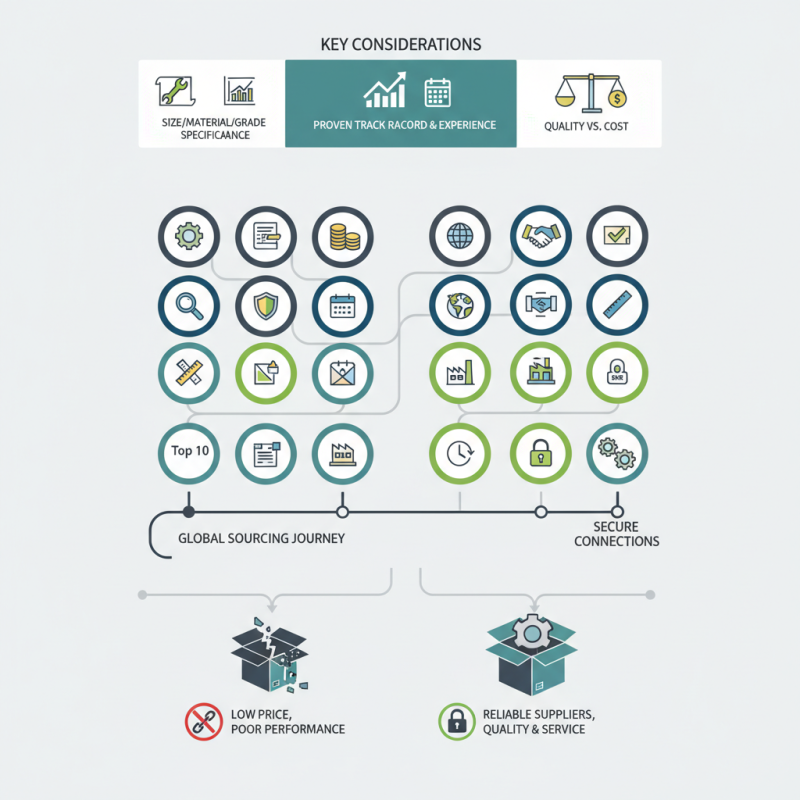
Understanding the specifications of Flange Nuts is crucial. They come in different sizes, materials, and grades. A good buyer knows how these factors influence performance in real-world applications. It’s vital to look for suppliers with a proven track record. A supplier’s experience in the market can often reflect their reliability.
However, not all Flange Nuts fulfill quality standards. Some sellers promise low prices but fail on performance. It's essential to assess quality alongside cost. Doing thorough research can save significant time and money. This guide will help identify top Flange Nuts suppliers that prioritize both quality and customer service.
Flange nuts play a crucial role in fasteners, often overlooked in discussions about construction and machinery. These nuts feature a wide flange at one end, distributing the load evenly. This design significantly reduces the risk of loosening over time. Proper installation ensures optimal performance in various applications, from automotive to industrial uses.
Understanding how flange nuts function can enhance their effectiveness. The flange provides a larger surface area, allowing them to act like a washer. This design prevents damage to the material or surface they are used on. Their ability to provide a secure fit is essential for maintaining structural integrity. However, selecting the right flange nut is not always straightforward. Differences in materials and sizes can complicate sourcing.
Many buyers rush into purchasing without adequate research. It's vital to consider dimensions and material compatibility. A mismatch can lead to failure during critical operations. Regularly inspecting flange nuts during maintenance can prevent unexpected breakdowns. Awareness of their limitations and applications is key for efficient usage.
Flange nuts play a crucial role in construction and manufacturing. Understanding the materials used in their production is essential for quality assurance. Manufacturers commonly use steel, stainless steel, and nylon. Each material offers unique benefits and limitations.
Steel flange nuts are strong and durable. They can handle heavy loads and resist deformation. However, they may corrode in certain environments. Stainless steel offers improved resistance to corrosion. It maintains strength in high-temperature conditions, but it can be more expensive than regular steel.
Nylon flange nuts are lightweight and resistant to chemicals. They provide excellent insulation. However, they may not withstand extreme temperatures. The choice of material depends on the specific application requirements. Always consider environmental factors before making a decision. This ensures both safety and longevity of the components used.
When sourcing flange nuts globally, several factors demand careful consideration. Expertise in materials is essential. Flange nuts are often made from steel, stainless steel, or other alloys. Each material offers different strength and corrosion resistance levels. For instance, a report from the International Journal of Materials Science indicates that stainless steel flange nuts have a higher resistance to rust and fatigue compared to other materials.
Cost analysis is another crucial factor. Fluctuations in raw material prices can impact overall procurement costs significantly. According to the Global Steel Index, steel prices surged by 30% in the past year, affecting flange nut prices worldwide. Buyers might find it challenging to balance quality and cost during procurement. It's important to evaluate suppliers not just on price, but also on their ability to deliver consistent quality over time.
Understanding regional standards is vital as well. Different markets enforce unique specifications and testing requirements. Buyers can face regulatory hurdles if they don't comply. Research from the Mechanical Fasteners Association shows that 45% of global buyers encountered such challenges. Engaging with local experts aids in navigating these issues effectively. Continuous assessment of supply chain reliability is key. This involves regularly evaluating supplier performance and adaptability to changing market demands.
When sourcing flange nuts, understanding the global market is vital. The demand for flange nuts has surged due to their application in various industries, from automotive to construction. According to a 2023 market research report, the flange nuts market is projected to grow at a CAGR of 5.2% over the next five years. This growth indicates strong potential for both buyers and suppliers.
Top suppliers in the global market play a significant role. Many suppliers are leveraging advanced technologies to improve manufacturing processes. They focus on providing high-quality materials that enhance durability. Reports suggest that suppliers in Asia dominate the market, contributing over 40% of the global production. However, there are concerns about quality control and consistency in these regions. Many buyers struggle to find reliable suppliers amid fluctuating quality standards.
Regional differences also impact sourcing strategies. North American suppliers emphasize superior engineering and stringent quality checks. However, their pricing might not always be competitive. This creates a dilemma for cost-conscious buyers. Evaluating suppliers based on experience and certifications can mitigate risks. Not all suppliers maintain the same level of expertise, which can lead to frustrating procurement experiences.
Flange nuts serve critical roles across various industries. They provide sturdy connections in machinery, automotive, and construction applications. Their design allows for a better grip and enhanced load distribution. This efficiency reduces the risk of loosening, an essential factor for safety and reliability.
In the automotive sector, flange nuts are frequently used in engines and suspension systems. Their ability to perform under high vibrations makes them popular. A report from the global fasteners market shows a growth forecast of over 4% annually in this segment. Similarly, the construction industry relies on flange nuts for securing structural components. Their strength facilitates the assembly of heavy equipment and frameworks, significantly impacting project timelines and budgets.
Despite their advantages, users need to be cautious. Poor quality flange nuts can lead to failures. Selecting the right grade and material is essential for long-term performance. Inspecting these fasteners regularly is necessary, especially in high-stress environments. Attention to detail in this area can prevent costly downtime and safety hazards. While flange nuts may seem straightforward, their impact on operational integrity is profound.
| No. | Application | Industry | Common Materials | Standard Sizes (mm) | Thread Types |
|---|---|---|---|---|---|
| 1 | Automotive Assembly | Automotive | Steel, Stainless Steel | M6, M8, M10 | Metric, Unified |
| 2 | Construction | Civil Engineering | Galvanized Steel, Nylon | M12, M16 | Metric |
| 3 | Electronics | Manufacturing | Brass, Plastic | M3, M4 | Metric |
| 4 | Marine Applications | Marine | Stainless Steel, Bronze | M8, M10, M12 | Metric, UNC |
| 5 | HVAC Systems | Construction | Aluminum, Mild Steel | M10, M14 | Metric, NPT |
| 6 | Agricultural Equipment | Agriculture | Steel, Zinc-Plated | M12, M16 | Metric |
| 7 | Railway Components | Transportation | Alloy Steel, Carbon Steel | M20, M24 | Metric |
| 8 | Furniture Manufacturing | Furniture | Wood, Steel | M6, M8 | Metric |
| 9 | Industrial Machinery | Manufacturing | Stainless Steel, Alloy Steel | M10, M16 | Metric, UNC |
| 10 | Wind Turbines | Renewable Energy | High Carbon Steel, Stainless Steel | M24, M30 | Metric |
: Flange nuts are fasteners with a wide flange that helps distribute load evenly.
They secure components, reducing the risk of loosening over time in various applications.
Flange nuts are typically made from steel, stainless steel, and nylon, each having unique features.
Steel nuts are durable but can corrode in harsh environments, affecting long-term use.
Nylon flange nuts are lightweight but may not endure extreme temperatures, limiting their use.
A mismatch in size or material can lead to failures during critical operations, risking safety.
Regular checks help prevent unexpected breakdowns and ensure maintained structural integrity.
Many struggle with fluctuating quality standards and finding reliable suppliers in the market.
Suppliers vary in engineering quality and pricing, creating dilemmas for cost-sensitive buyers.
Environmental factors, dimensions, and material compatibility are critical for safe and effective use.
Flange nuts are specialized fasteners characterized by a wide circular flange that provides increased stability and load distribution when securing two or more components together. Understanding their definition and functionality is crucial for industries that rely on mechanical assemblies. Key materials used in manufacturing flange nuts include steel, stainless steel, and nylon, each selected based on specific application requirements and environmental considerations.
When sourcing flange nuts globally, buyers should consider factors such as material quality, dimensional accuracy, and supplier reliability. The market features a variety of top suppliers and manufacturers who specialize in producing these versatile fasteners, catering to diverse industries such as automotive, construction, and aerospace. Common applications of flange nuts include securing components in machinery, structural frameworks, and various electronic devices, making them an essential item in modern engineering and construction practices.

San Biao