Choosing reliable Hot Dip Galvanized Nuts requires more than comparing prices or catalog photographs. This Top 10 Hot Dip Galvanized Nuts Manufacturers guide examines practical evidence behind each supplier. It considers coating consistency, thread accuracy, material traceability, production capacity, and technical support. These details matter when nuts face rain, road salt, coastal air, or outdoor vibration.
Tom Langill, Technical Director of the American Galvanizers Association, explains, “The zinc coating protects the steel in two ways: first, it provides a barrier, and second, it offers cathodic protection.” This principle helps explain why properly galvanized nuts can perform well in demanding construction and infrastructure environments. However, protection depends on process control, not the label alone.
Look closely at standards.
Manufacturers should demonstrate compliance with relevant specifications, such as ASTM A153 or ISO 10684, where applicable. Buyers should also check coating thickness, thread compatibility, batch inspection records, and packaging quality. A crushed carton can expose threads before installation even begins.
The strongest suppliers usually provide clear test reports and consistent dimensions. They understand that galvanized nuts must fit galvanized bolts without excessive friction or thread damage. Some manufacturers offer oversized tapping or controlled thread practices, but these solutions require confirmation before ordering.
No ranking is perfect. Regional logistics, order volume, and application conditions can change the best choice. A supplier serving bridge projects may not suit a small agricultural repair. This guide therefore compares manufacturers through both documented capabilities and practical purchasing concerns, while acknowledging that published information is sometimes incomplete. That imperfection deserves attention, not concealment.
What Are Hot Dip Galvanized Nuts?
Top 10 Hot Dip Galvanized Nuts Manufacturers
What Are Hot Dip Galvanized Nuts?
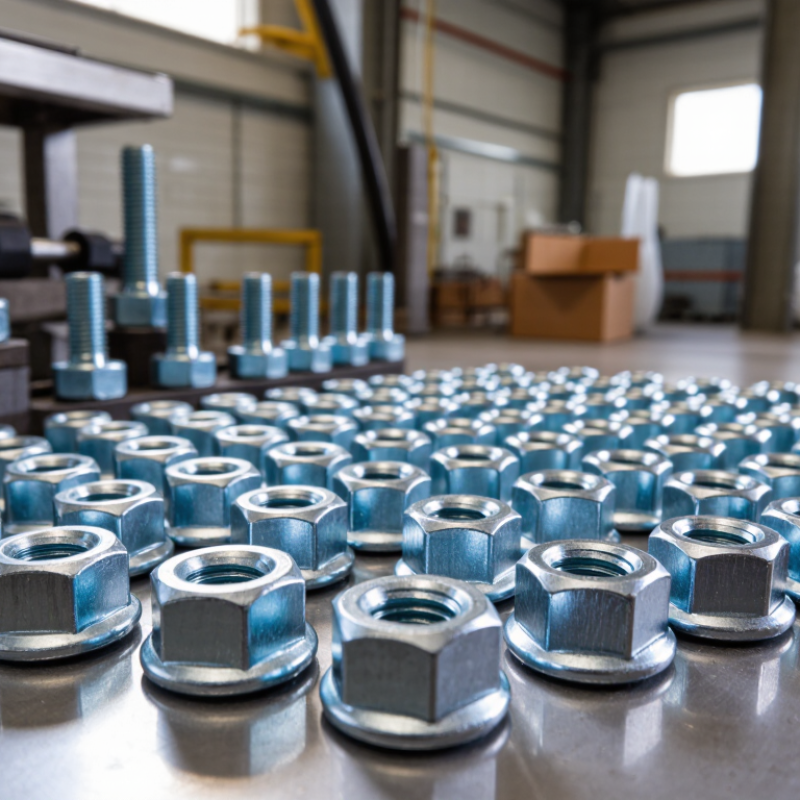
Hot dip galvanized nuts are steel fasteners protected by immersion in molten zinc, usually near 450°C. The process forms bonded iron-zinc alloy layers beneath a tougher zinc outer layer. This coating helps resist moisture, oxygen, and surface corrosion. The nut remains steel inside. Zinc provides the shield.
Unlike electrogalvanized nuts, hot dip galvanized nuts usually carry a thicker, more durable coating. ISO 10684 specifies requirements for hot dip galvanized threaded fasteners, including coating quality, thread fit, and inspection. ASTM A153/A153M provides related coating requirements for steel hardware in many industrial applications. These standards matter because a bright surface alone does not prove reliable protection.
The International Zinc Association reports that galvanized steel can often provide 50 years or more of maintenance-free service in rural environments. Service life may fall to roughly 20–25 years in urban exposure and 10–15 years near aggressive coastal conditions. These figures are general estimates, not guarantees. Salt concentration, drainage, coating damage, and trapped water can change the result quickly.
In practical use, manufacturers often prepare nut threads differently to accommodate the zinc layer. Correct bolt-and-nut matching is essential. A tight fit can damage the coating or prevent full engagement. I have seen specifications focus on appearance while ignoring thread clearance. That is a costly mistake. Buyers should verify the standard, coating thickness, material grade, torque guidance, and inspection records before comparing manufacturers.
How Hot Dip Galvanized Nuts Are Manufactured
Hot dip galvanized nuts begin with carefully selected carbon steel wire or bar. The material must support forming, machining, and later exposure to molten zinc. Manufacturers cut the stock, shape the nut by cold forming or hot forging, and machine the internal thread. Each surface is checked for burrs, cracks, and dimensional variation before coating.
Cleaning controls the quality of the zinc layer. Nuts are degreased, rinsed, pickled in an acid solution, and treated with flux. These steps remove oil, scale, and oxide films. The prepared nuts enter molten zinc, usually maintained near 450°C. Zinc bonds to the steel through layered iron-zinc alloy phases. After withdrawal, excess zinc is removed by draining or centrifuging. The nuts then cool in a controlled area.
Thread design needs special care. The zinc coating adds material, so the internal thread is commonly tapped oversize after galvanizing. This allows smooth assembly without forcing the fastener. Inspectors check coating appearance, thickness, adhesion, thread fit, and basic dimensions using calibrated gauges. A rough edge can still cause failure during installation. That detail is easy to overlook. In practice, coating thickness may vary around corners and recesses, so visual inspection alone is not enough. Experienced manufacturers combine process records with sampling tests, while reviewing defects instead of hiding them. Mistakes happen. Reliable production improves when each one is traced to cleaning, temperature, drainage, or thread control.
Key Standards for Evaluating Nut Manufacturers
Key Standards for Evaluating Hot Dip Galvanized Nut Manufacturers
A capable manufacturer should understand both nut performance and zinc coating behavior. Look for documented control under ISO 9001, not certificates displayed without current audit records. The production team should follow suitable standards, such as ISO 1461 or ASTM A153/A153M, for hot dip galvanized steel articles. Nut strength also matters. ISO 898-2 can help verify proof loads and mechanical properties for carbon and alloy steel nuts. Ask how heat treatment, material grades, and thread dimensions are recorded.
Inspect the coating, not only the paperwork. A reliable supplier measures zinc thickness at several points, including corners and thread areas. The coating should bond firmly and avoid heavy zinc lumps that prevent assembly. Request batch reports showing coating thickness, visual inspection, adhesion checks, and proof-load results. Sample nuts should fit matching galvanized bolts smoothly, without excessive force or cross-threading. Small details matter.
Traceability separates consistent producers from uncertain ones. Each batch should connect to raw material certificates, furnace records, galvanizing dates, and final inspection data. Factory experience is useful, but recent process evidence is stronger. Ask how rejected batches are isolated and how corrective actions are verified. A polished certificate can still hide weak production control. No audit is perfect. I would also inspect storage conditions, because moisture and poor packaging can damage finished coatings before shipment. Reliable communication, realistic lead times, and honest handling of defects deserve equal attention.
Top 10 Hot Dip Galvanized Nut Manufacturers
The Top 10 Hot Dip Galvanized Nut Manufacturers should be assessed through coating quality, thread accuracy, production capacity, and traceability.
Hot dip galvanizing immerses steel nuts in molten zinc, creating a protective alloy layer around exposed surfaces. The International Zinc Association reports that galvanizing consumes roughly 60% of global zinc use, showing its importance in corrosion protection. However, zinc consumption alone does not prove manufacturing reliability.
A practical ranking should examine compliance with ISO 1461 and ASTM A153, where applicable. These standards address coating thickness, appearance, and testing requirements. Manufacturers should provide batch certificates, salt-spray results, and dimensional inspection records.
A nut with a bright surface may still fail during installation if excess zinc blocks the thread. That detail is easy to miss. Field experience also shows that poor centrifuging can leave heavy zinc buildup inside threads, increasing assembly torque and damaging fasteners.
Demand remains linked to construction, transmission infrastructure, and industrial maintenance. The World Steel Association reported global crude steel production of about 1.9 billion tonnes in 2023, creating a large downstream market for protected fasteners. Yet production scale should not outweigh process control. Buyers should compare zinc bath temperature, pre-treatment records, thread reconditioning methods, and packaging protection. Some ranking criteria remain subjective, especially when suppliers publish limited defect-rate data. Independent audits and random sample testing can expose that weakness before shipment.
How to Select the Right Manufacturer for Your Project
Top 10 Hot Dip Galvanized Nuts Manufacturers
How to Select the Right Manufacturer for Your Project
Choosing among the top 10 hot dip galvanized nuts manufacturers requires more than comparing prices. Start with the project environment. Outdoor bridges, coastal facilities, and agricultural structures need dependable corrosion protection. Ask for the zinc coating thickness, test method, and inspection records. Vague answers are warning signs.
Check whether the manufacturer controls production from material preparation to final packaging. Reliable suppliers verify steel grade, thread accuracy, coating uniformity, and nut hardness. Request samples before placing a large order. Measure the threads with calibrated gauges, then inspect the coating around corners and inside threads. Small defects can create major installation delays.
Traceability matters. Each batch should connect to material certificates, production dates, and inspection results. Confirm the supplier’s capacity, delivery schedule, and response process for nonconforming parts. A low quotation may exclude testing, special packaging, or replacement costs. That mistake is common.
Ask about standards relevant to your region and application. Independent laboratory reports can support the manufacturer’s claims, but they should not replace your own technical review. I have seen projects focus heavily on zinc weight while overlooking thread fit and washer compatibility. The coating looked excellent. Installation still failed. An honest supplier will discuss limitations, not promise perfection. Clear drawings, written tolerances, and a pre-production sample reduce uncertainty before manufacturing begins.
FAQS
Manufacturers usually start with carbon steel wire or bar. The material must support forming, machining, and zinc exposure. Steel quality matters.
Stock is cut and shaped through cold forming or hot forging. Internal threads are machined afterward. Workers check for cracks, burrs, and dimensional changes.
Nuts are degreased, rinsed, acid-pickled, and treated with flux. These steps remove oil, scale, and oxide films. Cleaning controls coating quality.
Prepared nuts enter molten zinc near 450°C. Zinc bonds with the steel through layered alloy phases. Excess zinc drains away or is removed by centrifuging.
Zinc adds thickness inside the thread. Manufacturers often tap the thread oversize after coating. This supports smoother assembly without excessive force.
Inspectors check coating thickness, appearance, adhesion, thread fit, and dimensions. Measurements should cover corners and recessed areas. Visual inspection alone is weak.
Request material certificates, production dates, furnace records, coating measurements, and proof-load results. Each batch should be traceable. Paperwork can still be incomplete.
Review samples before ordering large quantities. Test thread fit, coating uniformity, hardness, and washer compatibility. Confirm capacity, packaging, delivery timing, and defect handling.
Heavy zinc lumps, rough edges, tight threads, and coating variation can cause delays. A coating may look excellent. Assembly can still fail.
Moisture and poor packaging can damage finished coatings before shipment. Clear drawings and written tolerances reduce mistakes. No process is perfect.
Conclusion
Hot Dip Galvanized Nuts are steel fasteners protected by a thick zinc coating applied through a high-temperature dipping process. This treatment improves resistance to rust, moisture, chemicals, and outdoor exposure, making these nuts suitable for construction, infrastructure, utilities, transportation, and other demanding applications. The manufacturing process typically includes steel preparation, cleaning, fluxing, galvanizing, cooling, inspection, and quality control to ensure consistent coating coverage, thread performance, strength, and dimensional accuracy.
This guide explains the key factors used to evaluate Hot Dip Galvanized Nuts manufacturers, including production capacity, material traceability, coating quality, testing procedures, certifications, customization options, delivery reliability, and technical support. It also presents a practical comparison of leading manufacturer types without focusing on brand names. Finally, the article offers guidance for selecting the right supplier by considering project requirements, environmental conditions, applicable standards, order volume, budget, lead time, and long-term product reliability.

 San Biao