Choosing China’s top Flange Nuts manufacturers requires more than comparing catalog prices. Global buyers need dependable dimensions, stable materials, accurate threads, and documented quality controls. A nut may look simple. Its performance is not.
John H. Bickford, a widely cited bolted-joint authority, once observed, “A bolt is only one part of a joint.” That principle also applies to Flange Nuts. The flange supports load distribution, while the thread controls engagement and clamping reliability. Small errors can create visible problems, including uneven seating, damaged threads, or premature loosening.
This guide examines ten Chinese manufacturers for international purchasing teams. It considers production experience, material options, surface treatments, inspection methods, certifications, export capability, and customer support. Common materials include carbon steel, stainless steel, and alloy steel. Buyers should also verify thread standards, such as metric, UNC, or UNF, before requesting quotations.
Details matter.
A strong supplier should provide sample approval, batch traceability, hardness results, dimensional reports, and coating information. Factory photographs are useful, but they are not proof of process control. Independent testing may be worthwhile for safety-critical applications. That extra step can feel excessive. It can also prevent expensive field failures.
No ranking is perfect. Supplier capabilities may change, and published information may remain incomplete. Buyers should confirm current equipment, minimum order quantities, lead times, packaging, and compliance documents directly with each manufacturer. Price still matters, but the lowest quotation may hide inconsistent tolerances or weak after-sales support. This overview aims to create a practical starting point for evaluating China’s leading Flange Nuts manufacturers with clearer expectations and fewer assumptions.
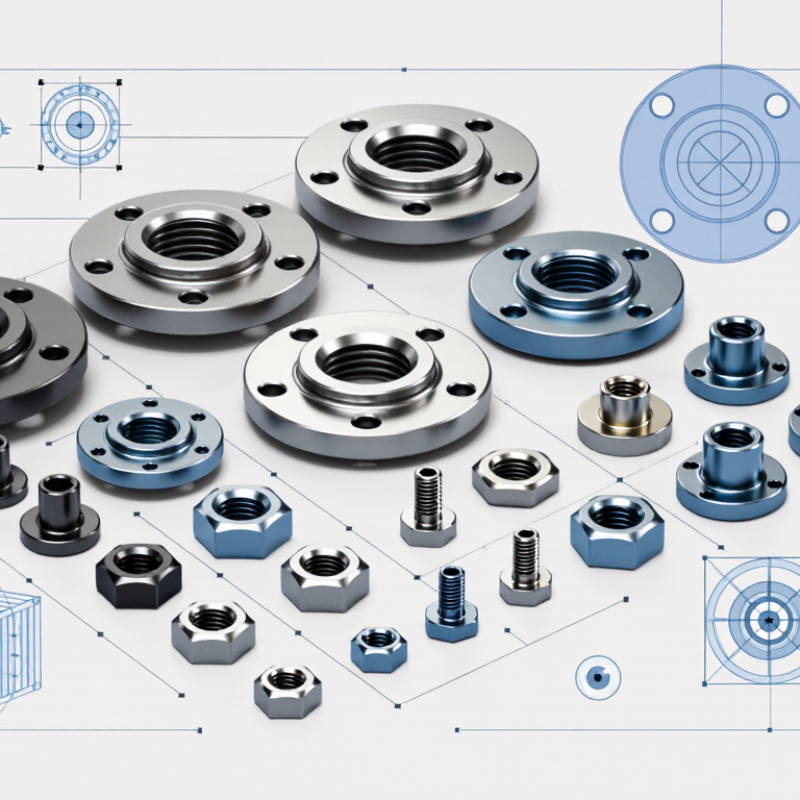
Flange nuts combine a hexagonal nut with an integral washer-like flange. This wider base spreads clamping pressure across the joint surface. It can reduce marking on painted steel and improve assembly consistency. ISO 4161 defines common hexagon flange nut dimensions and property classes, giving buyers a practical reference during sourcing. Torque testing still matters. A standard alone cannot guarantee stable production.
Global buyers choose Chinese suppliers because China has deep cold-heading capacity, mature tooling networks, and broad surface-treatment options. Grand View Research estimates the global fasteners market reached about USD 90 billion in 2023, with steady growth expected through 2030. UN Comtrade data also shows China remains a major exporter of HS 7318 fasteners. These figures indicate strong manufacturing scale, not automatic quality.
Experienced purchasers usually request material certificates, hardness results, coating thickness records, and sample torque data. They may also check thread gauges and flange runout before approving bulk orders. Chinese factories can support custom thread sizes, metric or inch standards, and package labeling for different markets. However, the lowest quotation can hide weaker steel, uneven plating, or inconsistent flange dimensions. That part is easy to underestimate. Supplier audits and pre-shipment inspection remain necessary, especially for safety-related assemblies.
China’s flange nut manufacturers vary widely in process control, material sourcing, and export experience. Global buyers should evaluate more than catalog prices. A reliable supplier can provide material certificates, dimensional drawings, and inspection records for each production batch. These documents should identify steel grade, heat treatment, hardness, and thread accuracy.
Request production samples before placing a large order. Measure the flange diameter, nut height, thread fit, and bearing surface flatness. A thread gauge is useful here. Check whether the sample matches the approved drawing, not just the product photo. Ask about stamping equipment, die maintenance, and quality checkpoints. Manufacturers with clear procedures usually explain how they control burrs, cracks, and uneven plating.
Coating & Packaging
Coating performance also needs practical testing. Confirm salt spray requirements, coating thickness, and corrosion protection for the intended environment. Packaging matters too. Strong cartons, moisture barriers, and clear lot labels can prevent avoidable damage during ocean transport. Review factory capacity, delivery records, and traceability from raw material to shipment. Video audits and independent inspections add useful evidence, especially for new suppliers.
Communication is an overlooked criterion. A capable technical team should answer tolerance questions with measurements, not vague promises. No supplier is flawless. Even a qualified factory may miss a detail during a rushed order. Buyers should record corrective actions and test results. Price remains important, but the lowest quotation can hide unstable material quality, rework, or delayed delivery.
International buyers should judge China’s top ten flange nut manufacturers by evidence, not online rankings. Key checks include production capacity, material traceability, testing equipment, and export experience.
The China Fastener Industry Association reported steady demand from automotive, construction, and machinery sectors in recent market reviews. Meanwhile, UN Comtrade data for HS 7318 confirms China remains a major global supplier of iron and steel fasteners.
These figures support China’s manufacturing scale, but scale alone does not prove consistent quality.
A reliable supplier should provide mill certificates, dimensional inspection records, and batch-level traceability. For high-strength applications, buyers can request testing aligned with ISO 898-2. Coating performance should also match the project environment, especially where salt spray or outdoor exposure is expected.
The 2023 World Bank Logistics Performance Index highlights delivery reliability as a major trade factor. Therefore, packaging, lead time control, and customs documentation deserve equal attention.
I have seen attractive samples fail during repeat orders. That risk remains real.
Tips:
Request samples from several shortlisted factories. Measure thread fit, flange diameter, hardness, and coating thickness.
Ask for recent third-party test reports, not only internal certificates. Confirm whether quoted capacity covers your monthly demand.
A low price can hide weaker steel, mixed batches, or unstable plating.
The selection process is not perfect, but documented evidence makes comparison more reliable.
Comparing flange nut manufacturers requires more than checking catalog prices. Start with material certificates and confirm the grade matches your application. Carbon steel suits general fastening, while stainless steel performs better in corrosive environments. Alloy steel may support higher loads, but heat treatment must be controlled carefully. Ask for mill certificates, hardness results, and coating details. Small details matter.
Standards should be verified against your engineering drawings, not marketing claims. Check thread tolerance, flange diameter, bearing surface, and applicable ISO, DIN, or ASTM requirements. Request first-article inspection reports and random samples from regular production. A clean thread is important. So is traceability. Lot numbers should connect raw material, production records, inspection data, and packaging labels.
Production capacity needs practical evidence. Review cold-heading equipment, tooling resources, heat-treatment partners, plating controls, and monthly output records. A factory may report high capacity, yet struggle during peak seasons or custom-tool changes. Ask about backup machines, inspection staffing, and realistic lead times. Visit the facility when possible. Online audits miss things. In one evaluation, packaging consistency looked impressive, but dimensional variation appeared after repeated sampling; this showed why a single approved sample cannot prove stable quality. Price remains relevant, but unexplained price gaps deserve careful questions.
Before comparing the top ten flange nut manufacturers, global buyers should define the application clearly. Confirm the thread type, pitch, flange diameter, serration pattern, material, hardness, coating, and dimensional tolerances. A drawing beats assumptions. Ask whether the supplier can provide production samples matching the final batch, not only attractive showroom pieces. Material certificates and batch traceability should follow every shipment.
Quality claims need practical evidence. Request dimensional inspection reports, hardness results, torque-tension data, and corrosion testing when the application requires it. Check the testing method, equipment calibration, and report date. Certifications can support confidence, but they do not replace process control. A factory audit should examine incoming material storage, cold forming, heat treatment, coating, sorting, and final packing. Small details matter, such as mixed thread sizes in one carton.
Commercial terms deserve equal attention. Confirm minimum order quantities, tooling charges, lead times, packaging strength, inspection rights, and procedures for rejected parts. Clarify how engineering changes receive approval. A small pilot order can reveal thread damage, coating variation, or unstable delivery performance. Even careful buyers miss these issues. One uncomfortable question may prevent a costly production delay.
Thread pitch must match the mating bolt or stud. The values shown are standard ISO metric coarse pitches commonly specified for industrial fasteners: M6 × 1.0, M8 × 1.25, M10 × 1.5, M12 × 1.75, M16 × 2.0, and M20 × 2.5. Before placing an order, global buyers should also verify the applicable product standard, nut property class, flange and thread dimensions, surface coating, corrosion requirements, inspection documents, packaging, and sample approval.
Reference points: ISO metric screw-thread designations and ISO 898-2 mechanical property requirements for nuts. Actual flange geometry and tolerances should be confirmed against the agreed drawing or standard, such as DIN 6923 where applicable.
A flange nut combines a hexagonal nut with an integrated washer-like base. The wider flange spreads pressure across the joint surface.
They can reduce marks on painted steel and improve assembly consistency. Torque data matters.
ISO 4161 provides common dimensions and property classes for hexagon flange nuts. A standard cannot guarantee stable production.
Chinese factories offer strong cold-heading capacity, mature tooling networks, and varied surface treatments. Large scale does not automatically mean consistent quality.
Confirm thread type, pitch, flange diameter, serration pattern, material, hardness, coating, and tolerances. A drawing beats assumptions.
Request material certificates, hardness results, coating thickness records, and sample torque-tension data. Check report dates and equipment calibration.
Review incoming material storage, cold forming, heat treatment, coating, sorting, and final packing. Look for mixed thread sizes in one carton.
Use a pilot order before approving large production. It may reveal thread damage, coating variation, or unstable delivery.
Not necessarily. A low price may hide weaker steel, uneven plating, or inconsistent flange dimensions. Cheap is not always cheap.
Confirm minimum order quantities, tooling charges, lead times, packaging strength, inspection rights, and rejected-part procedures. One uncomfortable question may prevent a costly delay.
This guide explains what Flange Nuts are, how their integrated flange improves load distribution and helps protect mating surfaces, and why international buyers often consider Chinese suppliers for competitive pricing, broad production capabilities, and flexible customization. It presents practical criteria for evaluating manufacturers, including material selection, dimensional accuracy, thread performance, surface treatment, manufacturing equipment, inspection procedures, certifications, production capacity, and export experience.
The comparison framework helps buyers assess stainless steel, carbon steel, and alloy steel options against applicable international standards and project requirements. Before placing an order, global purchasers should confirm drawings, specifications, tolerances, packaging, sampling policies, testing documents, lead times, minimum order quantities, quality control arrangements, communication procedures, and after-sales support. By reviewing these factors systematically, buyers can identify reliable manufacturing partners and reduce risks related to inconsistent quality, delivery delays, or unsuitable Flange Nuts for their intended applications.

San Biao