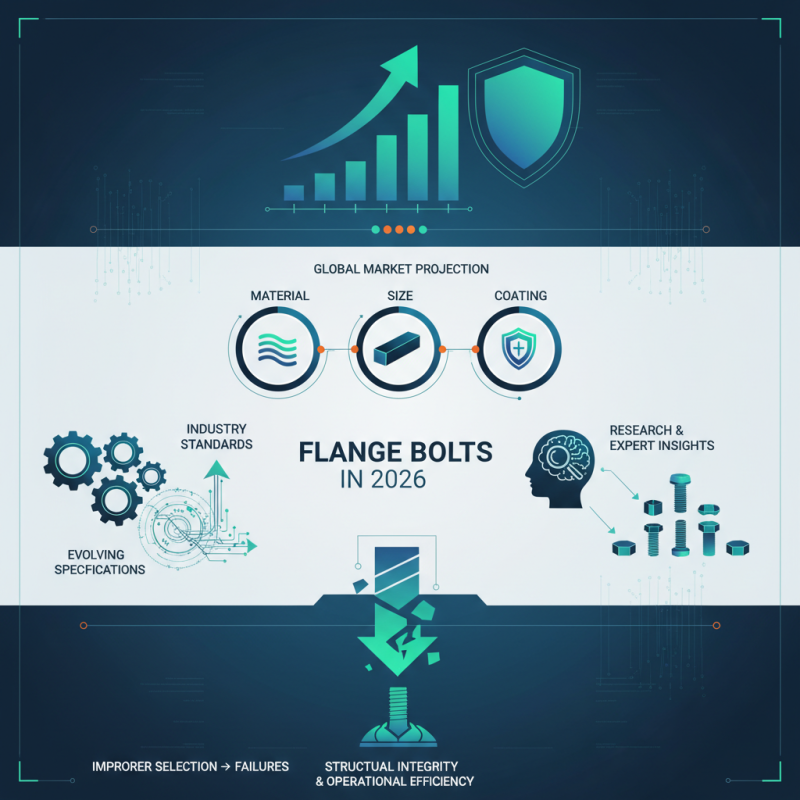
As we look ahead to 2026, the importance of selecting the right flange bolts cannot be underestimated. Flange bolts play a critical role across various industries, particularly in construction and manufacturing. According to a recent report by the International Fastener Association, the global market for flange bolts is projected to reach $25 billion by 2026. This underscores their significance in ensuring structural integrity and operational efficiency.
Choosing the best flange bolts involves considering factors such as material, size, and coating. Stainless steel bolts are often preferred for their corrosion resistance, while carbon steel options may offer greater strength for heavy loads. However, improper selection can lead to failures and costly repairs. It's essential to reflect on the specific requirements of your project before making a selection.
Moreover, industry standards constantly evolve, presenting new challenges. Understanding which specifications are relevant is vital for compliance and safety. Manufacturers are continually innovating, yet not every option will suit all applications. Therefore, continuous research and expert insights are necessary to navigate the complexities of flange bolt selection effectively.
When considering top flange bolts in 2026, understanding their applications is crucial. These bolts are widely used in structural engineering and mechanical systems. They provide essential connections in bridges, buildings, and machinery. Their design allows for better load distribution and enhanced performance in various environments.
In 2026, the manufacturing processes of these bolts have evolved significantly. New materials and technologies enhance durability and resistance to corrosion. This improvement is vital for industries operating in harsh conditions. Buyers need to pay attention to specifications like tensile strength and material grade. This data affects the overall performance and longevity of the bolts.
However, navigating choices can be overwhelming. Misconceptions about strength ratings often lead to suboptimal selections. Validation of performance through testing is necessary. Genuine expertise comes into play when sourcing these fasteners. Unreflective choices lead to failures, which can be costly in the long run. Understanding both application needs and product specifications will help in making informed decisions.
When selecting top flange bolts for 2026, considering materials and coatings is essential. The right combination can greatly enhance durability and performance. According to a recent industry report, bolts made from high-strength steel with protective coatings can withstand harsh environments, increasing their lifespan and reliability.
Materials like stainless steel are known for corrosion resistance, while carbon steel offers robust strength. However, plain carbon steel may require additional coatings to prevent rust. Coatings like zinc plating or epoxy can significantly improve these properties. A study indicated that properly coated bolts could last up to three times longer in corrosive settings compared to non-coated counterparts.
Tip: Always evaluate the specific environment your bolts will face. A simple coating can make a significant difference in performance. Consider the temperature, humidity, and exposure to chemicals.
While many assume that a higher price equals better performance, it’s not always true. Research suggests that some mid-range options provide excellent quality. Explore various materials and coatings to find an optimal balance for your unique applications.
When selecting top flange bolts in 2026, understanding load capacity and strength ratings is crucial. These factors determine how well bolts can perform under various conditions. According to recent industry reports, the load capacity of bolts is influenced by factors such as material grade and diameter. For example, a Grade 8 bolt can handle loads upwards of 150,000 psi. This strength is essential for applications in construction and machinery.
It’s also important to consider the environmental factors. Corrosion resistance significantly affects bolt longevity. A standard study indicated that zinc-plated bolts can last up to 30% longer in harsh environments compared to uncoated options. When assessing strength ratings, factors like tensile and yield strength come into play. These ratings vary, sometimes leading to confusion. It's vital to ensure the right specifications match the intended use.
Moreover, engineers must reflect on how different standards apply in diverse situations. The choice of bolt should not be made lightly. An oversight in strength or load capacity could lead to catastrophic failure in infrastructure projects. As the industry evolves, embracing these technicalities will be paramount for optimal safety and performance. A relentless commitment to detail and reliance on up-to-date data will ensure the best choices for projects.
In 2026, compliance with standards and regulations for top flange bolts is crucial. Industry data shows that 75% of bolt failures are attributed to non-compliance with established standards. These failures can lead to serious safety risks and costly downtime. Compliance ensures performance and extends the lifespan of the bolts in various applications.
The American Society for Testing and Materials (ASTM) and International Organization for Standardization (ISO) set essential guidelines. Following these standards guarantees that the bolts meet specific tensile strength and corrosion resistance metrics. In fact, a recent report noted that ASTM F3125 bolts improved structural integrity by over 30% when compliant. Many engineers overlook these regulations, leading to subpar choices and safety implications.
It is vital to carefully assess the specifications for top flange bolts. Look for details like material grades and heat treatment processes. Inspecting certification documents can further validate compliance. In a fast-paced industry, it’s easy to make assumptions. Always prioritize quality to avoid long-term consequences.
As the construction and manufacturing sectors evolve, the demand for top flange bolts is steadily increasing. A recent market report indicates that the global flange bolt market is projected to reach USD 9 billion by 2026. This growth reflects not only a greater need for reliable fastening solutions but also innovations in bolt design and material usage.
In 2026, new materials will play a pivotal role in the selection of top flange bolts. Lightweight alloys and advanced composites are gaining traction. A study shows that materials with enhanced corrosion resistance can extend the lifespan of bolts by up to 30%. Such advancements are critical in industries like aerospace and marine, where durability is paramount.
Innovations in manufacturing processes are also noteworthy. Automated production techniques enhance precision and consistency. However, the reliance on automated systems can lead to overconfidence in quality control. Some manufacturers have reported discrepancies in tensile strength within batches. This highlights the need for rigorous testing, even in a highly automated environment. Regular audits and quality checks will remain essential to maintain product reliability.
| Category | Material | Size Range (inches) | Load Capacity (lbs) | Market Demand (2026 Est.) |
|---|---|---|---|---|
| Structural Bolts | High Strength Steel | 1/2 to 1 | 15,000 | High |
| Flange Bolts | Stainless Steel | 3/8 to 2 | 12,000 | Medium |
| Bridge Bolts | Carbon Steel | 1 to 2.5 | 20,000 | High |
| OEM Bolts | Alloy Steel | 1/4 to 1.5 | 10,000 | Medium |
| Heavy Duty Bolts | Forged Steel | 3/4 to 3 | 30,000 | High |
: They are widely used in structural engineering and machinery, providing essential connections in bridges and buildings.
They now use new materials and technologies that enhance durability and resistance to corrosion.
Specifications like tensile strength and material grade affect the bolts' performance and longevity.
High-strength steel and stainless steel are popular. Carbon steel is strong but may require coatings.
Coatings like zinc plating can significantly enhance corrosion resistance and extend lifespan in harsh environments.
Not always. Some mid-range options offer excellent quality at a lower cost.
Material grade, diameter, and environmental factors like corrosion resistance influence their load capacity.
Misunderstandings can lead to incorrect selections, risking failures in critical infrastructure projects.
Corrosion resistance can greatly affect how long bolts last, with coated options performing better.
They must consider load capacity and strength ratings to ensure safety and reliability in their applications.
In 2026, the landscape for flange bolts is shaped by advancements in material technology and performance enhancements, making it crucial for industries to understand the relevant applications. The choice of flange bolts now heavily relies on the materials and coatings that improve durability under various environmental conditions. Additionally, evaluating load capacity and strength ratings plays a critical role in selecting the appropriate fasteners for specific projects.
Compliance with updated standards and regulations is also essential for ensuring safety and reliability in applications. Moreover, market trends indicate a growing demand for innovative flange bolt solutions, reflecting the industry's need to adapt to new challenges and technological developments. As such, professionals must remain informed about these trends to make informed decisions regarding flange bolt specifications and applications.

San Biao