Top 10 Hexagon Nuts You Must Know for Global Sourcing?

Time:2026-05-07 Author:Charlotte
0%

In the world of fasteners, Hexagon Nuts are critical components in various industries. As expert Robert Sharpe, a fastener industry veteran, states, "Understanding the subtleties of Hexagon Nuts can transform your sourcing strategy." The importance of these nuts cannot be overstated, especially for businesses looking to optimize their supply chain.

Hexagon Nuts come in various sizes and materials, making them versatile for different applications. They are essential for gripping threads securely to prevent loosening under pressure. However, not all Hexagon Nuts are created equal. Different standards and quality practices may lead to significant variations. Companies must be diligent in their sourcing to ensure reliability.

Despite their importance, many companies overlook the nuances of Hexagon Nuts during sourcing. Often, buyers focus on price rather than quality and compatibility. This can lead to costly mistakes. Reflecting on past experiences, industry professionals consistently highlight the need for careful selection. In the end, investing time in understanding Hexagon Nuts pays off in durability and performance.
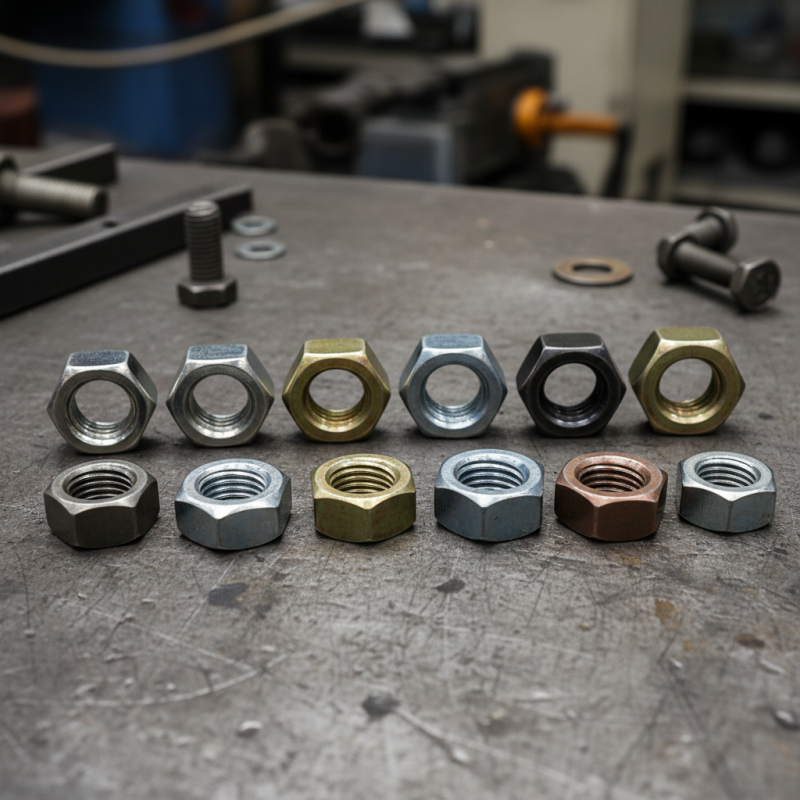
Top 10 Hexagon Nuts You Must Know for Global Sourcing?

Understanding Hexagon Nuts: Definition and Applications

Hexagon nuts are essential fasteners in various industries. They provide a reliable method for fastening machinery components. Understanding their definition and applications is crucial for effective global sourcing. Hexagon nuts are often made from materials like steel or stainless steel, ensuring strength and durability. They are characterized by their six-sided shape, which allows for easy tightening with a wrench.

According to a recent industry report, the global fastener market is projected to reach USD 110 billion by 2025. Hexagon nuts account for a significant portion of this market, reflecting their widespread use in automotive, construction, and aerospace applications. Their versatility makes them suitable for different environments, from high-stress machinery to light-duty applications. Yet, choosing the right hexagon nut can be challenging. Materials, coatings, and size specifications must match the intended use.

Improper selection can lead to equipment failure or safety hazards. A report from the Fastener Quality Act emphasizes that the quality of nuts significantly impacts overall assembly integrity. Sourcing the right hexagon nuts requires attention to detail. It's essential to consider both the specifications and the suppliers’ reliability. Understanding these factors can help prevent costly mistakes in production and assembly processes.

Key Materials Used in Manufacturing Hexagon Nuts

Hexagon nuts are essential for fastening and assembly in various industries. The materials used in their manufacturing significantly impact their performance. Common materials include stainless steel, carbon steel, and brass. Each material offers unique properties, affecting durability and corrosion resistance.

Stainless steel hexagon nuts are resistant to rust and corrosion, making them ideal for outdoor applications. Carbon steel nuts provide strength and are often used in industrial settings. However, they may corrode if not properly coated. Brass hexagon nuts, while less common, offer excellent resistance to corrosion in marine environments. They are also non-magnetic, which can be a requirement for certain applications.

Sourcing the right hexagon nuts requires understanding the specific needs of a project. What is the environment like? Will the nuts be exposed to chemicals or extreme temperatures? Selecting the right material can prevent future issues. Overlooking material selection may lead to premature failures or safety hazards. Effective sourcing combines knowledge of materials and their applications, ensuring reliable performance in assembly and construction.

Top 10 Hexagon Nuts You Must Know for Global Sourcing

Hexagon Nut Type Material Standard Size (inches) Finish Type Common Applications
Class 8 Hex Nut Carbon Steel 1/4 Zinc Plated Automotive, Machinery
Stainless Steel Hex Nut 304 Stainless Steel 3/8 Passivated Food Processing, Marine
Nylon Lock Nut Nylon Insert 1/2 Natural Color Electronics, Home Appliances
Heavy Hex Nut A36 Low Carbon Steel 5/8 Hot-Dip Galvanized Construction, Structural Support
Wing Nut Aluminum 3/16 Anodized Furniture, Aviation
Jam Nut Low Carbon Steel 7/16 Black Oxide Heavy Machinery, Manufacturing
Castle Nut Alloy Steel 1 Zinc Plated Automotive, Aerospace
Square Nut Carbon Steel 3/8 Plain Finish Mechanical Engineering, HVAC
Acorn Nut Stainless Steel 1/2 Brushed Finish Furniture, Automotive
T-Nut Carbon Steel 1/4 Galvanized Woodworking, Furniture

Top 10 Hexagon Nut Suppliers for Global Sourcing

When sourcing hexagon nuts globally, it’s important to identify reliable suppliers. Competent suppliers understand material specifications and production standards. They ensure consistent quality, which is crucial for projects that depend on precision. Many manufacturers specialize in different types, such as stainless steel or carbon steel hexagon nuts.

Researching suppliers involves checking their experience and customer feedback. Established suppliers often have a proven track record. Investigating their manufacturing processes can reveal their commitment to quality control. Consider the certifications they hold. These can indicate their adherence to international standards, impacting production reliability.

Understand that not all suppliers will meet expectations. Some may struggle with lead times or product availability. A solid supplier relationship often requires ongoing communication. It’s not just about delivering nuts; it’s about understanding your unique needs. Encouraging feedback from both sides will strengthen this partnership.

Standards and Specifications for Hexagon Nuts

When sourcing hexagon nuts globally, understanding their standards and specifications is critical. Hexagon nuts must often conform to standards set by organizations like ANSI, ISO, and DIN. These organizations define the dimensions, materials, and mechanical properties that ensure compatibility and reliability in various applications. For instance, ISO 4032 is a commonly referenced standard for hexagon nuts, detailing the dimensions and grading requirements.

The materials used in hexagon nuts also vary based on their intended application. Common materials include carbon steel and stainless steel, each offering varying levels of corrosion resistance and strength. A reliable sourcing partner can provide detailed material certifications to comply with industry standards. It's essential to cross-check specifications against project requirements. Falling short here can lead to problematic installations.

Quality controls should not be overlooked. Nuts should undergo tests for hardness, tensile strength, and even surface finish. Even small variations can affect overall performance. Occasionally, discrepancies arise during manufacturing, leading to variations in quality. Paying attention to these details can prevent costly errors down the line. A proactive approach can save time and resources in large-scale projects.

Best Practices for Selecting the Right Hexagon Nut

When sourcing hexagon nuts globally, selecting the right types is crucial. Understanding specifications is essential. There are various standards and materials to consider. For instance, check if the nuts are made of carbon steel, stainless steel, or other alloys. Each material has its benefits and drawbacks, affecting durability and pricing.

**Tip:** Always review certification and quality assurance documents before making a purchase. This step verifies that the products meet your required standards. Also, consider the nut's finish. Coated or uncoated options can significantly impact corrosion resistance and appearance.

Sourcing challenges can arise. Different regions may have varying availability. It helps to establish relationships with multiple suppliers. This approach ensures you can compare quality and pricing. Keep in mind that lead times can vary, which may impact your projects.

**Tip:** Conduct market research to identify reputable suppliers in different regions. Engaging with local distributors can also yield insights into the best options for your needs. This proactive stance minimizes risks and ensures a smoother sourcing experience.

Top 10 Hexagon Nuts You Must Know for Global Sourcing

This bar chart represents the average tensile strength (in MPa) of the top 10 types of hexagon nuts commonly used in various industrial applications. Understanding the tensile strength is crucial for selecting the right hexagon nut for your sourcing needs.

FAQS

: What are hexagon nuts?

: Hexagon nuts are six-sided fasteners used for securing components in various industries.

What materials are commonly used for hexagon nuts?

Common materials include stainless steel, carbon steel, and brass. Each has unique performance properties.

Why are stainless steel hexagon nuts preferred?

They resist rust and corrosion, making them suitable for outdoor applications and harsh environments.

How do carbon steel hexagon nuts perform?

They provide strength but can corrode without proper coating, so they require careful use.

What about brass hexagon nuts?

Brass nuts resist corrosion in marine environments. They are also non-magnetic, which is beneficial for certain uses.

Why is material selection important?

Choosing the wrong material can lead to failure or safety issues. Each project’s environment affects the choice.

How do I select the right hexagon nut?

Consider specifications such as size, material, and the environment in which they’ll be used.

What impact does hexagon nut quality have?

Quality affects assembly integrity. Poor choices can result in equipment failure or unsafe conditions.

How can sourcing be improved?

Reliable suppliers and attention to detail aid in effective sourcing, preventing costly errors.

Are there any common mistakes in hexagon nut selection?

Overlooking environmental factors or material properties can lead to premature failures. Be mindful of these aspects.

Conclusion

Hexagon nuts are vital components used in various applications, providing crucial fastening capabilities across industries. Understanding their definition, applications, and the key materials used in their manufacturing is essential for effective global sourcing. This article outlines the top ten suppliers of hexagon nuts, highlighting their reputation and reliability in the market. Additionally, it covers the standards and specifications that govern the production of these fasteners to ensure quality and safety.

To make an informed selection, best practices for choosing the right hexagon nut are discussed, focusing on factors such as material compatibility, load requirements, and environmental conditions. By recognizing the importance of hexagon nuts and adhering to these guidelines, manufacturers and procurement professionals can enhance their sourcing strategies and ensure the successful assembly of their projects.


Charlotte

Charlotte

Charlotte is a seasoned marketing professional with a deep understanding of the company's portfolio and a passion for elevating its presence in the market. With a keen eye for detail and a commitment to excellence, she ensures that our professional blog is regularly updated with insightful articles......