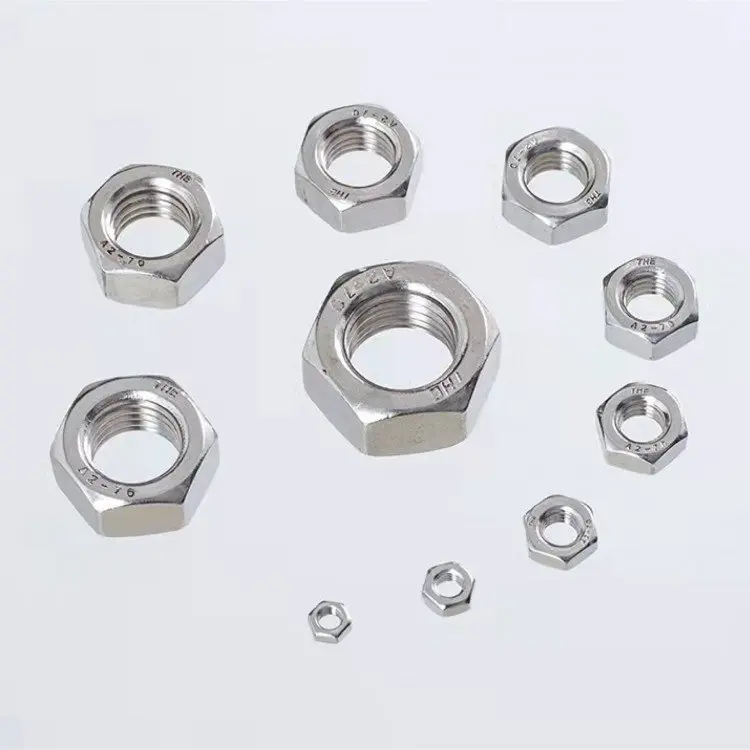
Cheap Galvanized hexagon nut Manufacturers, Products

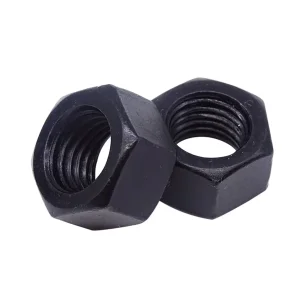
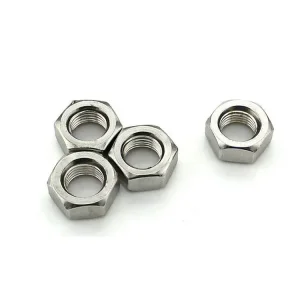
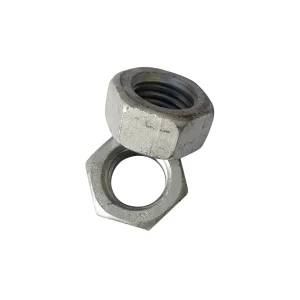
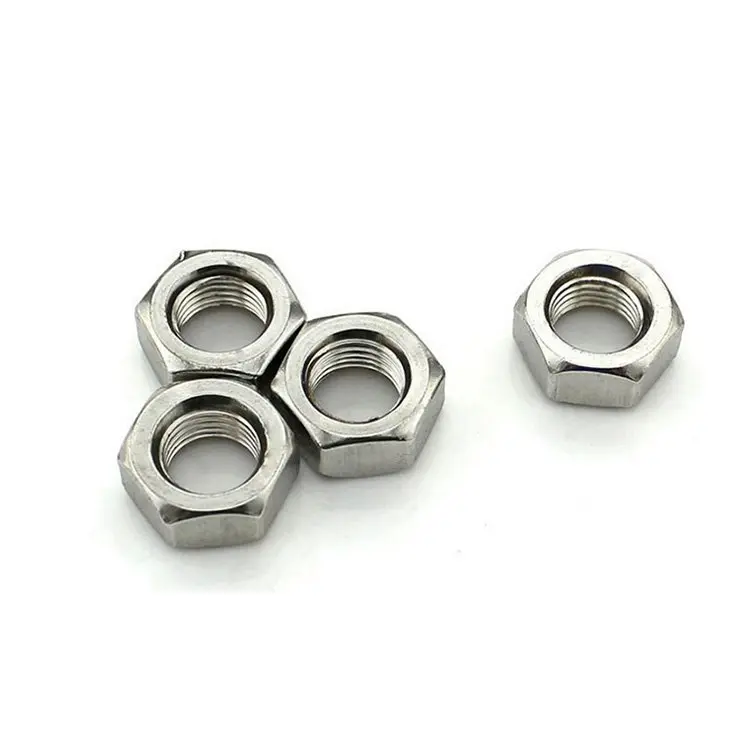
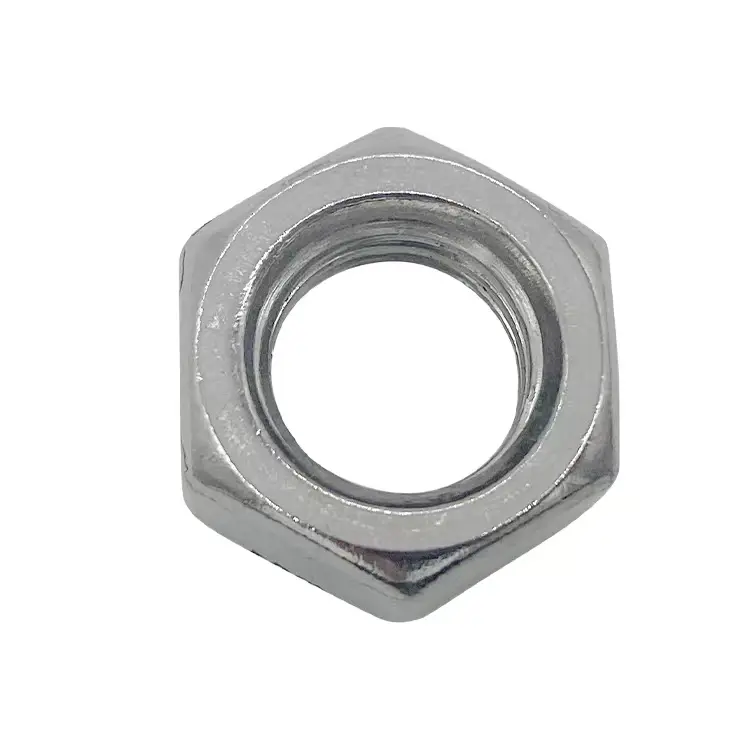
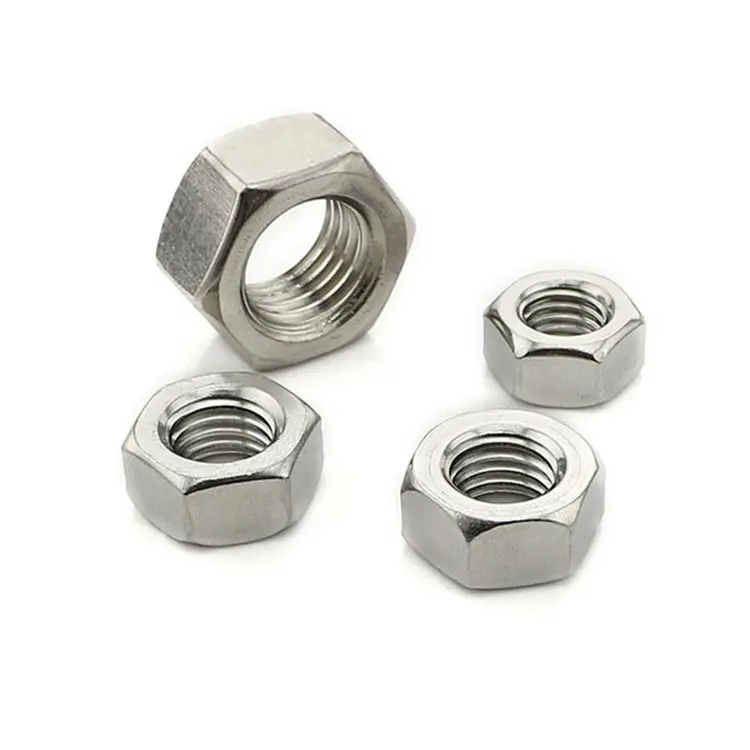
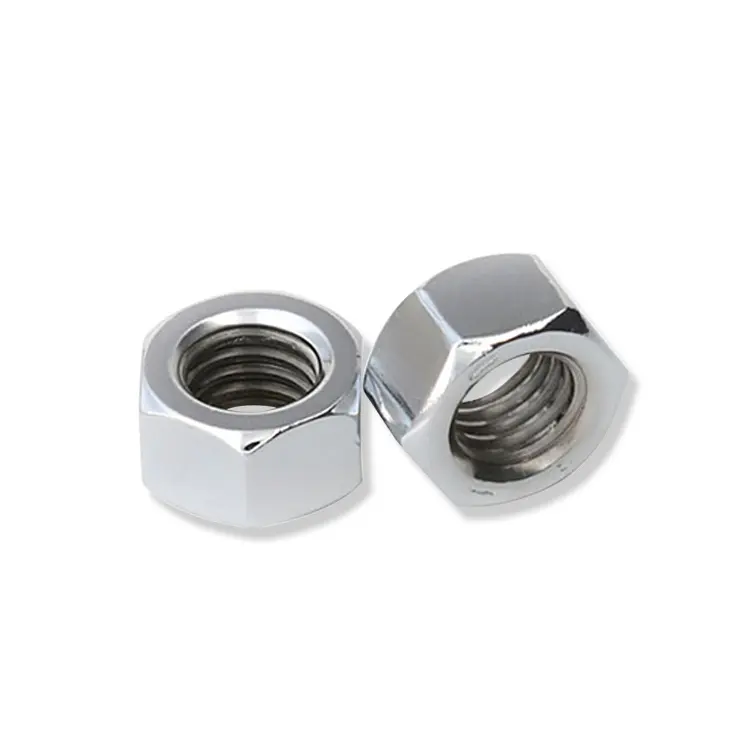
Hex nuts are a common type of fastener that comes in a variety of designs and applications to meet different mechanical and structural needs. Common specifications are M8-M20.

Our company can provide 300 tons of goods per month, the delivery time follows your quantity to decide in 7-30 days, the MOQ is 200 pieces, and T/T payment is acceptable.

Product Description

Product Introduction

According to the nominal thickness, hexagon nuts can be divided into three types: type I, type II and thin. Among them, the I-type nut is divided into A-grade, B-grade and C-grade. A-grade and B-grade nuts are suitable for machines, equipment and structures with small surface roughness and high precision requirements, while C-grade nuts are used for machines, equipment or structures with rough surfaces and low precision requirements. Type II hex nuts have a thicker thickness and are usually used in applications where assembly and disassembly are often required.

⚙️ Type I Nuts: Precision-graded (A/B/C) for various surface roughness and accuracy needs.
🛠️ Type II Nuts: Increased thickness designed for frequent assembly and disassembly.

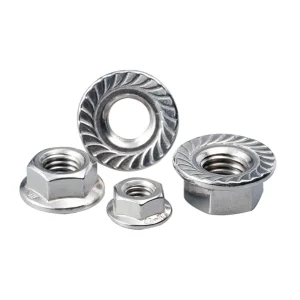
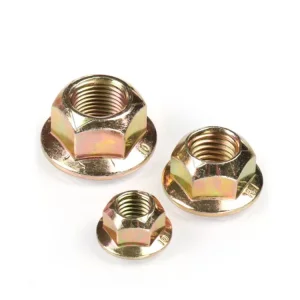
The main types of hex nuts include plain hex nuts, cylindrical head hex nuts, pan head hex nuts, headless hex nuts, countersunk hex nuts, nylon lock nuts, flange nuts, etc. Ordinary hexagon nuts are versatile, but their installation requires a large operating space. The cylindrical head hexagon nut has a large fastening force and is suitable for a variety of structures, while the pan head hexagon nut is mostly used in furniture and other occasions that require appearance. Headless hexagon nuts are suitable for structures that require a hidden cylindrical head, and countersunk hex nuts are mostly used in power machinery. Nylon lock nuts prevent thread loosening by inputting nylon rubber rings in the hexagonal surface, while flange nuts improve tightening by increasing the contact surface with the workpiece.
Frequently Asked Questions
What are the primary classifications of hexagon nuts based on thickness?
Hexagon nuts are categorized into three main types based on their nominal thickness: Type I, Type II, and Thin nuts.
When should I choose Grade A or B nuts over Grade C?
Grade A and B nuts are ideal for high-precision applications with low surface roughness, whereas Grade C nuts are used for rougher surfaces with lower precision requirements.
What is the specific advantage of a Type II hexagon nut?
Type II nuts feature a greater thickness, making them particularly suitable for mechanical applications where frequent assembly and disassembly are necessary.
How do nylon lock nuts prevent loosening?
Nylon lock nuts incorporate a nylon rubber ring within the hexagonal surface, which provides resistance and prevents the thread from loosening during vibration.
Which hex nut is best for furniture or aesthetic purposes?
Pan head hexagon nuts are the preferred choice for furniture and applications where the external appearance of the fastener is important.
What is the function of a flange nut?
Flange nuts feature an integrated wide flange that increases the contact surface area with the workpiece, thereby improving tightening and distributing pressure.

Related Products