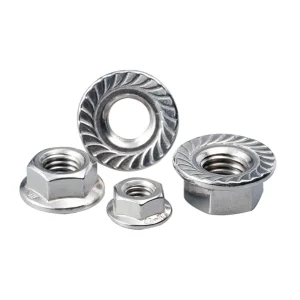
Product Advantages
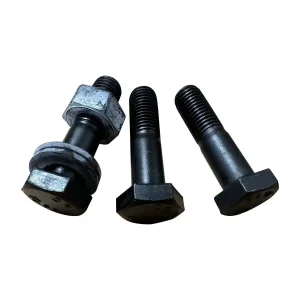
Ordinary bolts have thick nail heads, which are difficult to deform, and easy to loosen after tightening.
●
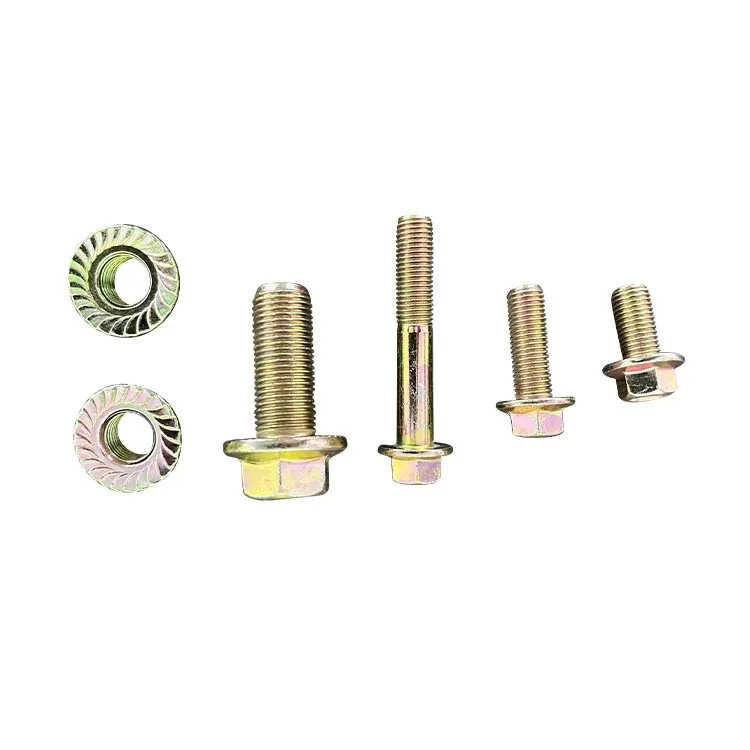
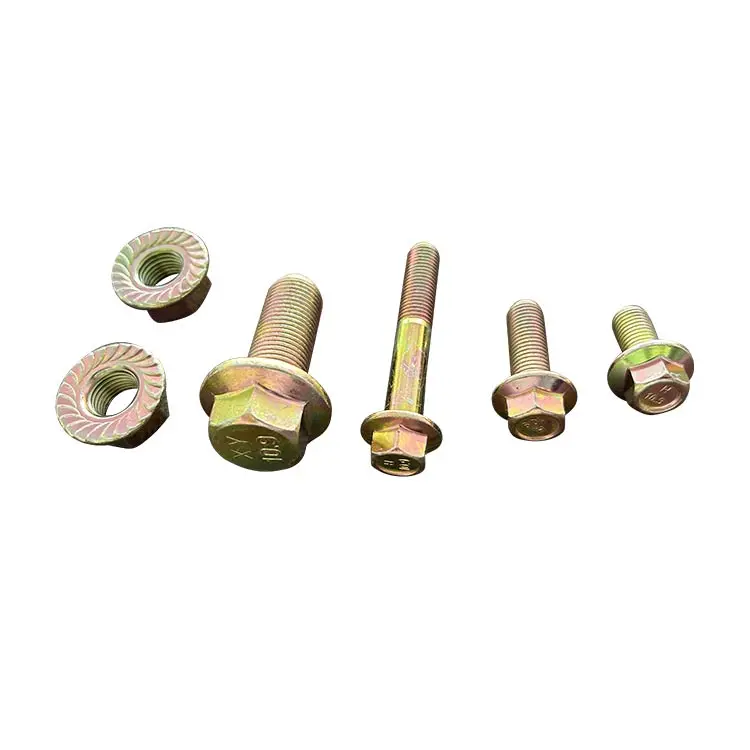
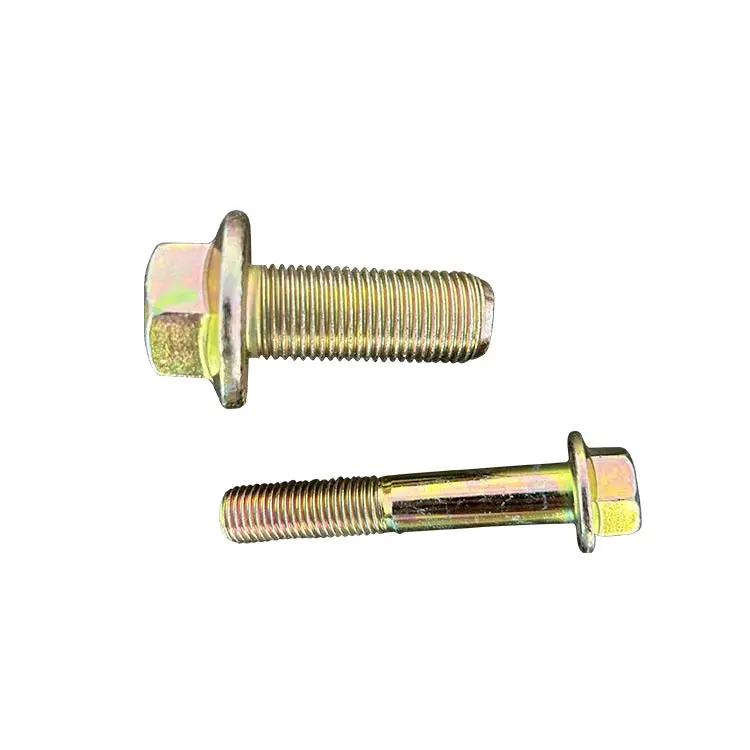
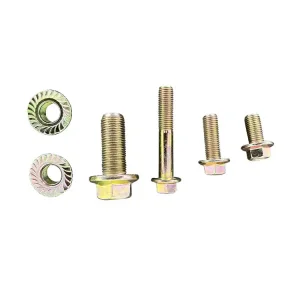
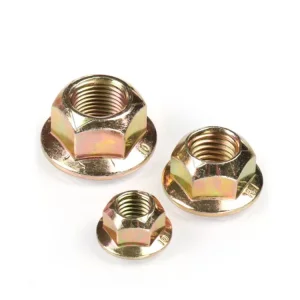
Compared with ordinary bolts, hexagonal flange bolts have a larger ratio of support area to stress area and higher preload.
●
Better relaxation performance, featuring decoration accuracy and strong endurance for demanding industrial applications.
●
Small head with holes and grooved design allows for stronger locking even in cases of slight deformation.
The flange is divided into flat bottom and toothed shape according to the needs of the industry, and the latter can play a more fastening role.
Frequently Asked Questions
What are the main advantages of hexagonal flange bolts over ordinary bolts?
Hexagonal flange bolts offer a larger support-to-stress area ratio, higher preload, and significantly better relaxation performance compared to ordinary bolts.
Why do ordinary bolts loosen more easily?
Ordinary bolts typically have thick nail heads that are difficult to deform, making them more prone to loosening after they have been tightened.
How does the design of a hexagonal flange bolt head aid in locking?
The bolt heads are smaller and equipped with holes. Bolts with grooves can lock more securely even if slight deformation occurs.
What types of flange bottoms are available?
Flanges are generally available in two types: flat bottom and toothed shape, depending on specific industrial requirements.
Which flange type provides better fastening?
The toothed shape flange is specifically designed to play a more effective fastening role in specialized applications.
What are the aesthetic and durability benefits of these bolts?
They possess characteristics of decoration accuracy and strong endurance, making them suitable for high-precision tasks.
 San Biao